
Lamine Yamal Opens Up About His Roots, Family and Longing to Return to Equatorial Guinea
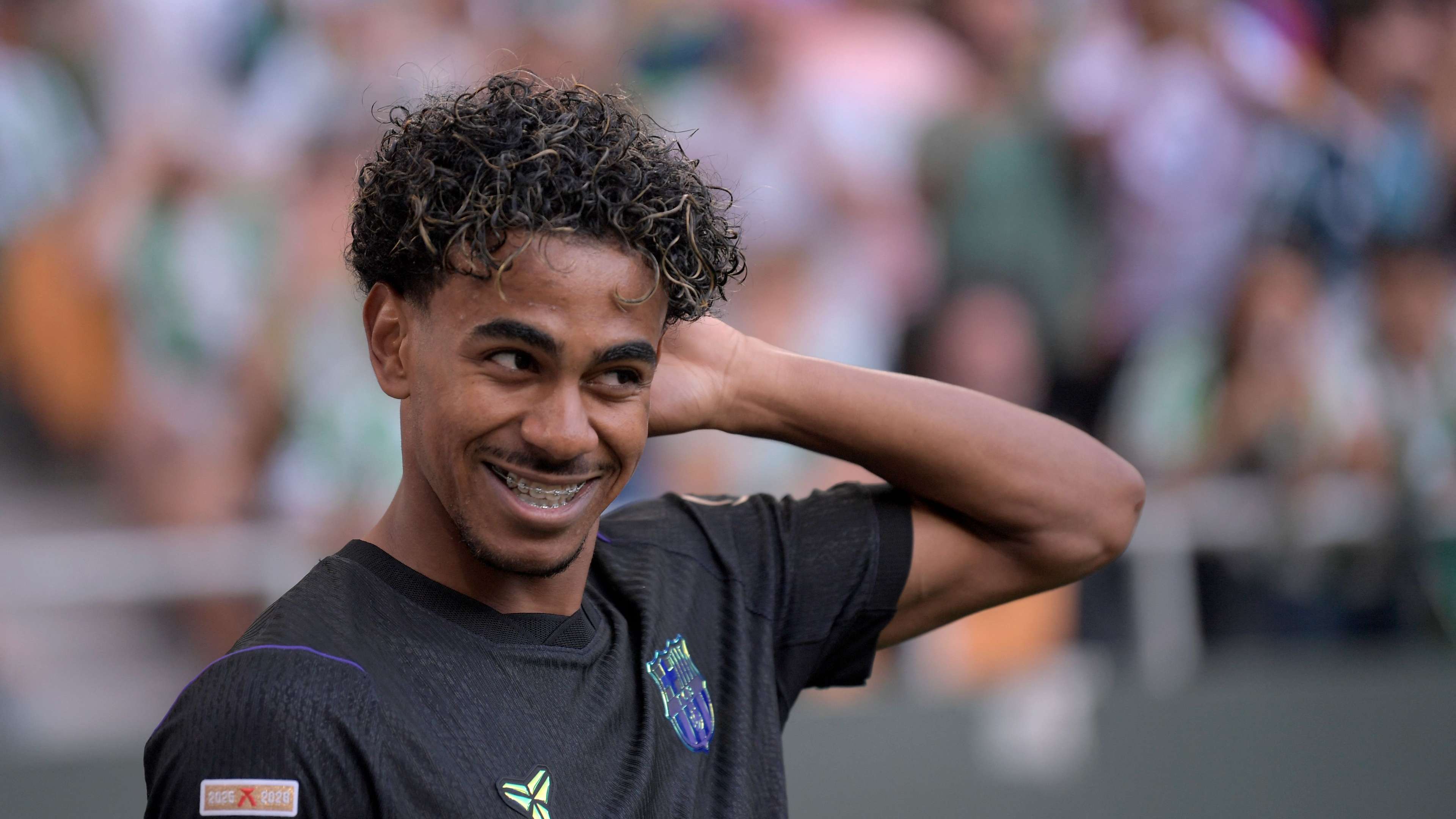
Barcelona sensation Lamine Yamal is known around the world for his fearless football, quick feet and remarkable composure at a young age. But away from the stadium, the Spain international remains closely connected to the people and places that shaped him. In a new documentary, he reflects on growing up in Rocafonda, the influence of his parents and a childhood visit to Bata, Equatorial Guinea—a place he says he hopes to see again.
Yamal shared these memories in Revolution 304, a documentary produced by Catalan broadcaster 3Cat, as reported by Spanish newspaper Sport. The film offers a more personal portrait of Barcelona’s number 10, looking beyond his rapid rise through the club’s academy and into the family ties, neighbourhood experiences and cultural heritage that remain important to him.
Rocafonda: The neighbourhood that felt like home
Yamal grew up in Rocafonda, a neighbourhood in the Catalan city of Mataró. For him, it was not simply where he lived; it was the centre of his childhood world. His grandmother, cousins and friends were all nearby, giving the area a strong sense of familiarity and belonging.
“When I was little, all I had was Rocafonda, because my grandmother, my cousins and all my friends live there,” he recalled in the documentary. The comment captures a side of the young footballer that can be easy to miss amid the attention surrounding his performances: before the packed stadiums and global headlines, his world was shaped by family, friends and the everyday life of his community.
That connection has also become part of the public story around Yamal. His rise has brought international recognition to a player who has never been far removed from his roots. While elite football can quickly transform a young athlete’s routine, his recollections suggest that Rocafonda remains a key part of how he understands himself.
A close relationship with his father
Yamal’s father, Mounir Nasraoui, is of Moroccan origin and moved to Catalonia in search of a new life. The Barcelona forward describes their relationship as unusually close, combining the affection of a parent with the easy companionship of a friend.
“My father is very young, to the point that I can treat him as a friend, a father and everything to me,” Yamal said. He added that they see or speak to each other every day. Their time together can be as simple as playing PlayStation, sharing a meal or spending time with Yamal’s friends.
That daily connection offers a glimpse into the support system behind the footballer’s progress. A demanding career brings pressure, travel and constant scrutiny, particularly for a teenager who has become one of Barcelona’s most prominent players. The familiarity of family routines can provide an important counterbalance to the intensity of professional sport.
Why Yamal wants to return to Bata
Yamal’s mother, Sheila Ebana, is from Bata, a coastal city in Equatorial Guinea. He visited the country once as a child, when he was seven, but the trip left a lasting impression. Although his memories are limited, he says he feels a strong desire to return and reconnect with his mother’s homeland.
“I went there when I was seven years old, and I only visited it once, but I want to return to it, and that is what I really want,” he said. The wish is tied to more than travel. For Yamal, Bata represents a meaningful part of his family history and a direct link to the heritage passed down through his mother.
One photograph from that childhood visit has become especially precious. Yamal explained that he did not enjoy having his picture taken when he was young, but his mother encouraged him to pose because she believed the image would become a treasured memory later in life.
“It is the only photo I allowed her to take of me, and it is the only photo I own,” he said. He described it as a beautiful reminder of his origins and “my mother’s land.” What might once have seemed like an ordinary family snapshot has since taken on a deeper meaning: a small, personal record of a place he hopes to experience again as an adult.
Cheerfulness and a mother’s example
Asked what he feels he inherited most from his Equatorial Guinean roots, Yamal pointed to his cheerful personality. “I think I am a cheerful person, and I smile almost all the time,” he said. It is a simple answer, but one that reflects how he sees his character as connected to his background and family.
He also spoke warmly about his mother’s influence during his childhood. Yamal described her as responsible, respectful and hardworking, and remembered how she made time to talk to him after returning home—even when she was tired.
“My mother was one of my role models when I was little,” he said. His tribute highlights the quiet support that often sits behind a young player’s success: encouragement, attention and the steady example of a parent managing everyday responsibilities.
More than a football prediction
Yamal’s story is often framed through forecasts about what he might achieve next. After an exceptional season with Barcelona, he has been discussed as a potential contender for major individual honours, including the 2026 Ballon d’Or. Such predictions reflect his extraordinary impact, but the documentary adds perspective to the conversation by showing the person behind the performances.
His football future will be shaped by form, fitness, competition and the demands of a long career. Yet his reflections on Rocafonda, his parents and Bata reveal foundations that are less visible in match highlights. They show a young star who remains conscious of where he comes from and grateful to the people who helped him along the way.
For Barcelona supporters and football fans more broadly, Revolution 304 provides a richer understanding of Yamal’s journey. His ambition on the pitch is matched by a personal longing to revisit his mother’s homeland and preserve the memories that connect him to it. As his career continues to grow, that connection to family and heritage remains an important part of his story.