
Frenkie de Jong Could Fill Barcelona’s Defensive Gap Against PSG
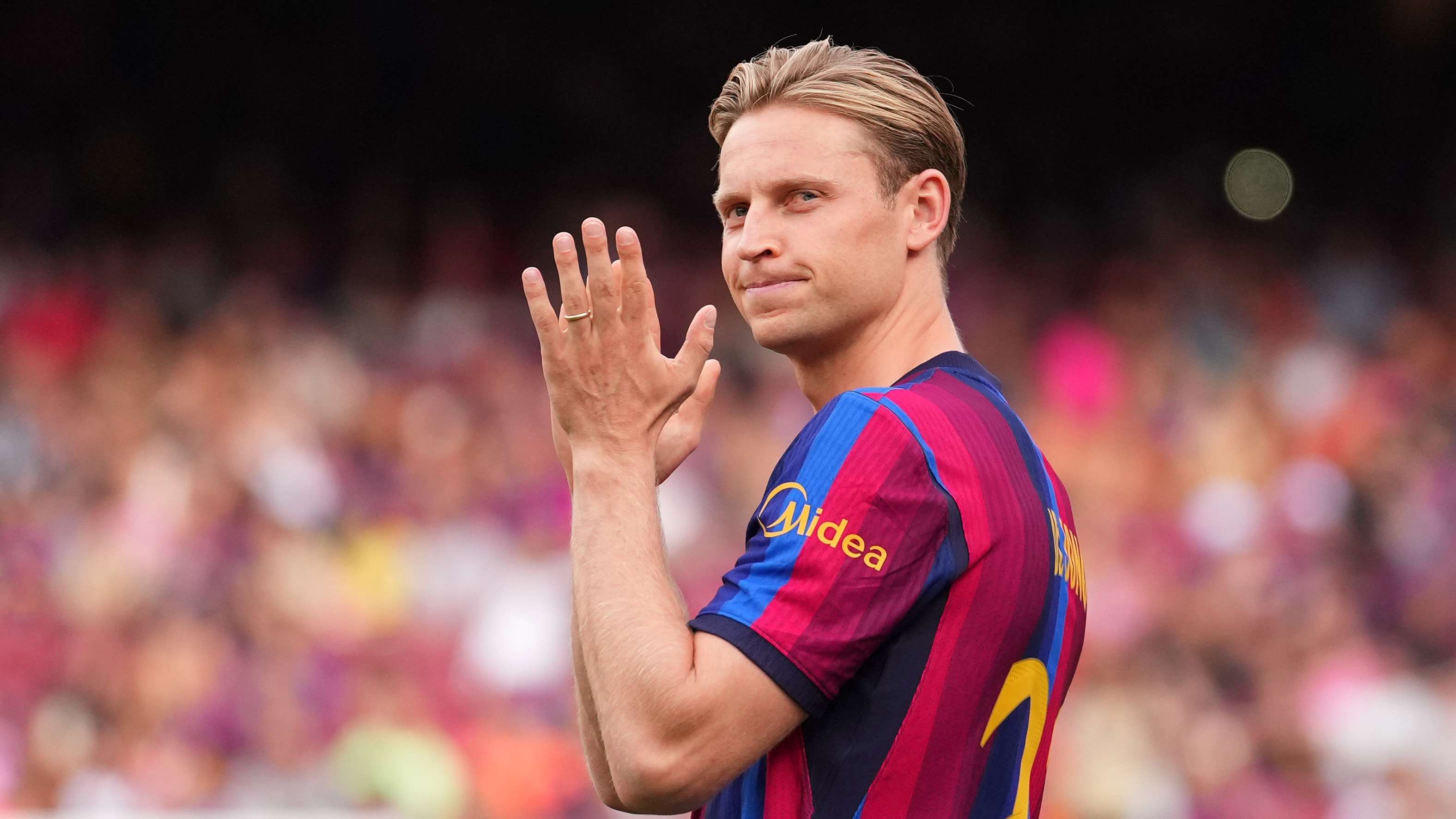
Barcelona may turn to an unexpected solution at centre-back when they face Paris Saint-Germain in the Champions League on Tuesday: Frenkie de Jong. According to Mundo Deportivo, the Dutch midfielder is expected to return from injury and could partner teenage defender Pau Cubarsí in the heart of the defence.
The potential selection would be a significant change for De Jong, whose usual role is in midfield. Yet with Barcelona short of experienced defensive options, head coach Hansi Flick may ask him to help provide composure and build-up quality against one of Europe’s most dangerous attacking sides.
De Jong poised for his first appearance of the season
De Jong has yet to feature for Barcelona this season after suffering a knee injury. His anticipated return against PSG would therefore be welcome news for Flick, although deploying him in defence would place him in a very different position from the one supporters usually associate with him.
Barcelona are expected to be without Eric García and Jules Koundé for the match, leaving the team with fewer natural choices at centre-back. In that context, De Jong’s fitness and familiarity with the club’s style could make him a practical option. Reports suggest Flick has already tested him alongside Cubarsí during training in recent weeks, indicating that the idea is more than a last-minute contingency.
There is some precedent for the move. De Jong played in central defence during his time at Ajax, so the role would not be entirely new to him. However, he has never occupied that position for Barcelona in a competitive match. The PSG fixture would represent a notable first, and a demanding one: the Dutch international would need to adjust quickly to the responsibilities of defending against elite forwards.
Why Flick may consider a midfield-style centre-back
De Jong’s strongest qualities are not limited to his work in midfield. He is comfortable receiving the ball under pressure, has a reliable first touch and can carry possession into open space. Those traits could help Barcelona play through PSG’s press and turn defensive possession into attacking momentum.
That ability may be especially valuable in a Champions League match, where a team’s response to pressure can shape the contest. A centre-back who can break the first line with a pass or a forward run gives Barcelona another route into midfield. De Jong’s experience in possession-heavy football could also help Cubarsí, who has already shown confidence and maturity despite his age.
The arrangement would nevertheless involve risks. A midfielder adapting to centre-back must manage distances, cover space behind the defensive line and make decisions about when to step forward or hold position. PSG’s pace and movement could test those instincts, particularly if Barcelona lose the ball while their full-backs are advanced.
Barcelona face a major test in the league phase
The match is Barcelona’s third fixture in the Champions League league phase. They have won their opening two games and sit second in the standings on goal difference, with PSG currently ahead of them. That gives Tuesday’s meeting importance beyond the immediate result: a strong performance could help Barcelona strengthen their position among the leading teams.
Facing PSG will demand more than defensive improvisation. Barcelona will need to control the tempo, limit the space available to their opponents and make the most of their own attacking opportunities. If De Jong starts at centre-back, his ability to remain calm on the ball could be as important as his defensive work.
Flick’s decision will also depend on how ready De Jong is after his absence. Returning from a knee injury and immediately starting in a high-profile European match is a substantial challenge. The coaching staff will need to weigh his match fitness against the need for stability in the back line, and may consider how the defence would change if the game requires substitutions.
What the possible lineup means for Barcelona
Pairing De Jong with Cubarsí would combine the teenager’s emerging authority with the Dutchman’s experience and technical security. It could offer Barcelona a more assured build-up from the back, but it would also place responsibility on both players to communicate clearly and protect one another when PSG attack quickly.
For De Jong, the fixture could be an opportunity to make an immediate contribution after a frustrating spell on the sidelines. Whether he plays in defence or returns to his familiar midfield role, his availability would give Flick greater flexibility. That depth may prove crucial during a demanding schedule in which Barcelona must balance domestic commitments with European football.
Any prediction about Barcelona’s final lineup should remain cautious until the team is confirmed. De Jong’s possible selection at centre-back is a report rather than an official announcement, and Flick could still choose another defensive combination. Still, the training work with Cubarsí suggests the option has been considered seriously.
If the Dutchman does start at the back, the PSG match will offer an early measure of how effectively Barcelona can adapt to their injury problems. De Jong’s passing and composure could help the team control possession, while his defensive positioning will face a stern examination. For supporters, the key question is whether Flick’s calculated gamble can turn a shortage of centre-backs into an unexpected advantage.