
Barcelona Face Defensive Test Against Europe’s Most Potent Attack
Barcelona’s Champions League campaign has become a study in contrasts. Hansi Flick’s side can overwhelm opponents with speed, movement and goals, yet their European defence has struggled to keep the door shut. That imbalance will be under intense scrutiny as they prepare to face Paris Saint-Germain, the competition’s leading scorers and one of its most dangerous attacking teams.
The challenge is clear: Barcelona have gone 17 consecutive Champions League matches without a clean sheet. Against a PSG side capable of scoring from even a half-chance, ending that run would require more than a strong performance from the goalkeeper. It would demand discipline across the pitch, better protection for the back line and careful management of the spaces Barcelona often leave behind when they attack.
A European Clean-Sheet Drought Dating Back to Dortmund
Barcelona’s last Champions League clean sheet came on 9 April 2025, when they defeated Borussia Dortmund 4-0 in the first leg of a quarter-final, according to Sport. Since then, the Catalans have conceded 29 goals across 17 matches—a worrying return for a club with ambitions of lifting the trophy.
The goals have not always led directly to defeat. Barcelona’s attack has often been powerful enough to outscore its opponents, allowing the team to progress despite defensive shortcomings. But that approach carries a risk: in the knockout rounds, one poor spell or one clinical opponent can turn an open contest into a costly setback.
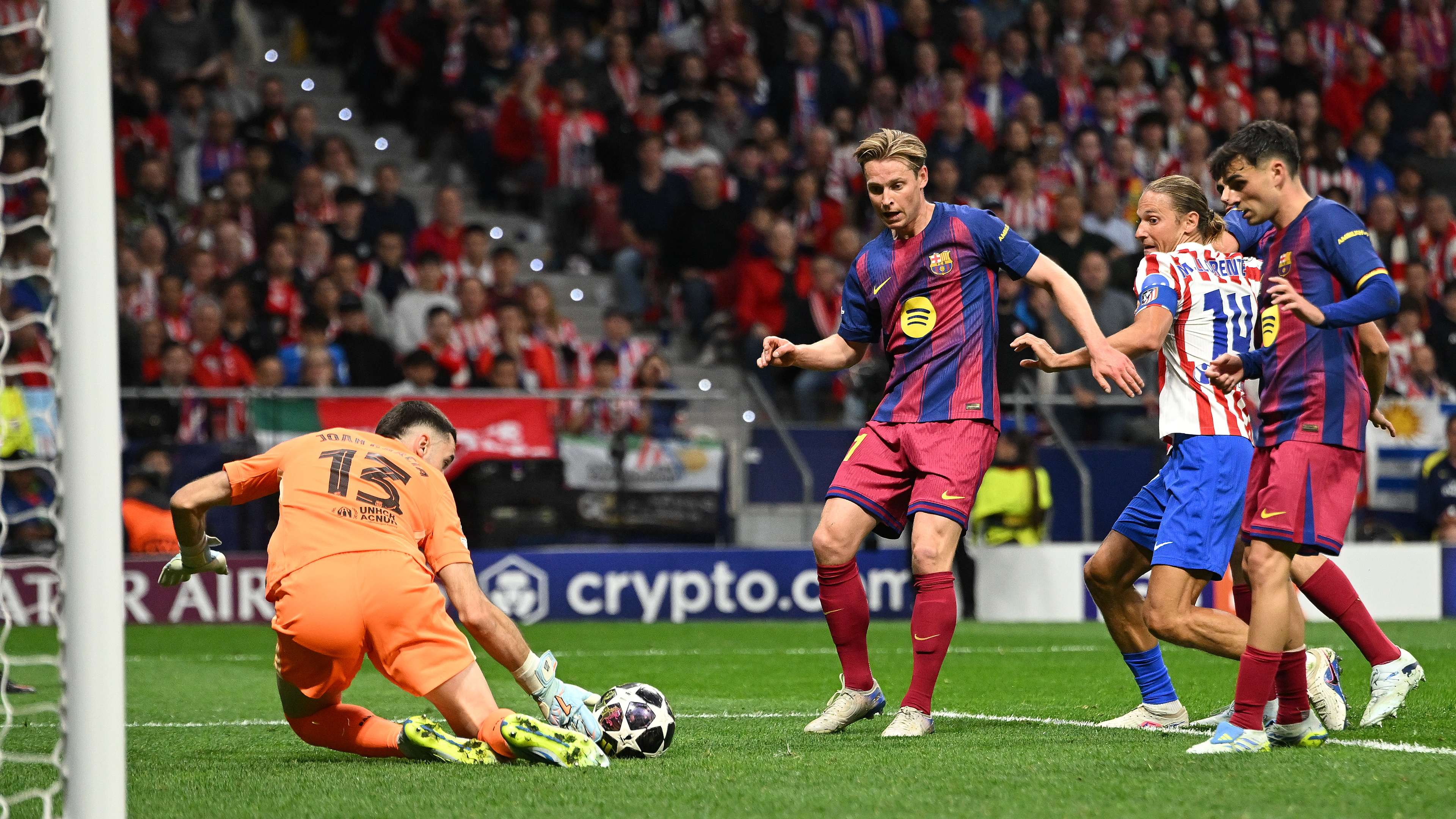
Recent European campaigns have already offered reminders. Barcelona paid for defensive lapses against Inter Milan in the semi-final and Atlético Madrid in the previous season’s quarter-final. Those matches underlined how quickly an opponent can exploit space when the defensive line is stretched or the team loses control of the ball.
Changes in goal have not ended the pattern
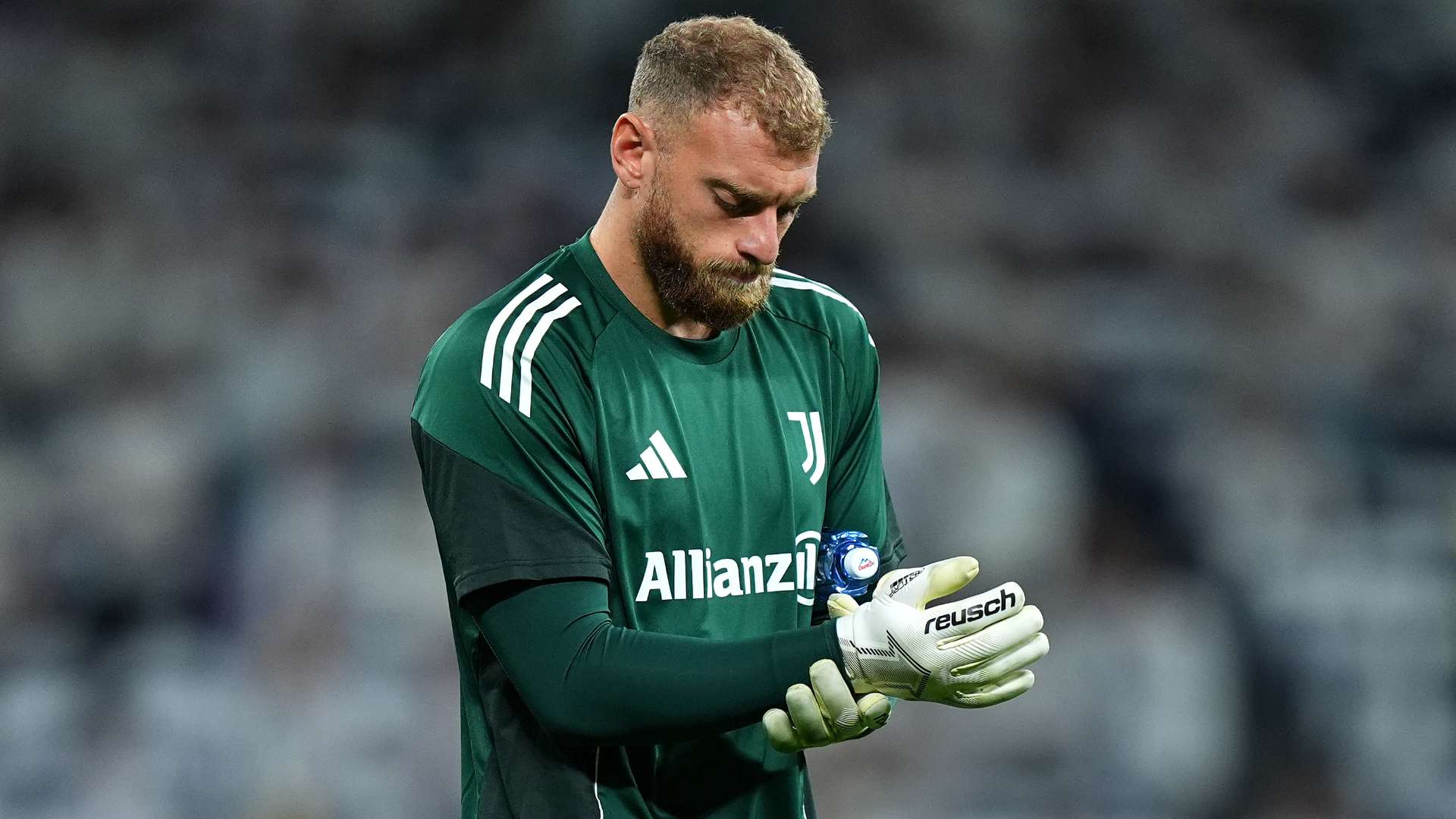
The drought began when Wojciech Szczęsny was Barcelona’s first-choice goalkeeper and has continued since Joan García arrived. García has improved the team’s numbers in domestic competition, but he has yet to record a European clean sheet for the club.
His Champions League record this season includes only two goals conceded, both in comfortable victories over Galatasaray and Feyenoord. That figure offers some encouragement, although those matches did not present the same sustained pressure Barcelona are likely to face in Paris.
Joan García’s League Form Tells Only Part of the Story
García’s domestic performances highlight the difference between Barcelona’s league results and their European defensive record. The goalkeeper won the Zamora award as La Liga’s best goalkeeper after conceding 21 goals in 30 appearances, or 2,790 minutes. That works out to an average of 0.7 goals conceded per match—an impressive figure that reflects both his shot-stopping and the team’s ability to limit danger in many league games.
His European numbers should not automatically be read as evidence of a decline in form. Barcelona’s style creates a different set of demands. Flick’s team often pushes its defensive line high, commits players forward and tries to win possession near the opposition’s goal. When that press is beaten, García can be left facing quick transitions, one-on-one situations or shots from close range.
That tactical trade-off is central to Barcelona’s identity. The same attacking ambition that produces waves of chances can expose the defence if the midfield fails to stop a counterattack. Against PSG, the key question may not be whether García can make saves, but how frequently Barcelona allow the Parisian forwards to run at him with space.
PSG Bring Goals, Momentum and Multiple Threats
Paris Saint-Germain arrive with a formidable scoring record. They lead the Champions League scoring charts this season with 10 goals, including six against Slovan Bratislava in the opening round and four against Manchester City in the second. Those results demonstrate the breadth of their attacking threat: PSG can punish defensive mistakes, but they can also build pressure through sustained possession and combinations around the penalty area.
Their consistency is just as concerning for Barcelona. PSG have scored in 13 consecutive Champions League matches and have not been held scoreless since a goalless draw at San Mamés during last season’s group stage. A team that has found the net so regularly is unlikely to be intimidated by Barcelona’s reputation or by the prospect of a difficult away fixture.
Desire Doué, Ousmane Dembélé and Khvicha Kvaratskhelia give PSG pace, creativity and unpredictability in the final third. Each can attack space in different ways, making it difficult for defenders to focus on a single source of danger. If Barcelona’s full-backs advance, PSG’s wide forwards could target the channels behind them. If the Catalans sit deeper, the visitors can use close control and quick passing to work openings near the box.
Defensive Selection Adds to Barcelona’s Challenge
Barcelona’s task is complicated by uncertainty and limited options in defence. At centre-back, Flick is reported to have Pau Cubarsí and Gerard Martín among the natural choices, alongside young defender Kampos. On the flanks, the coach may have to rely on the young Xavi Espart and João Cancelo, while Alejandro Balde’s potential involvement would be notable given his limited appearances this season.
Such a makeshift-looking unit could be vulnerable to PSG’s movement, particularly if the defenders have not had much time to build understanding. Communication will be essential: the back line must know when to step forward, when to hold its shape and how to pass runners between defenders without opening gaps for late arrivals.
Barcelona’s midfield will also have a major role. Winning the ball is only the first step; the team must avoid giving it away cheaply in dangerous areas. A misplaced pass or a poorly timed forward run could invite the kind of rapid transition PSG are equipped to exploit.
Football Prediction: Can Barcelona Finally Keep PSG Out?
On paper, the circumstances do not favour Barcelona ending their European clean-sheet drought. They face the Champions League’s most productive attack while dealing with defensive absences and a high-risk tactical approach. PSG’s run of scoring in 13 straight matches makes a Barcelona shutout a difficult prediction, even if García’s league form provides grounds for optimism.
Still, Barcelona have shown that they can defy expectations. Their best route to a positive result may be to press with greater coordination, protect the space in front of the centre-backs and avoid turning the match into an end-to-end contest. If they can control the tempo and limit PSG’s transition chances, the visitors’ attacking numbers may matter less.
The fixture is therefore about more than one clean sheet. It is a test of whether Barcelona can balance their attacking instincts with the defensive control required to succeed in Europe. A strong performance in Paris would not erase the previous 17 matches, but it could signal that Flick’s team are learning how to protect their strengths—and that their Champions League ambitions do not have to depend on scoring one goal more than their opponents.