
Arsenal Back in the Champions League Spotlight as Grimandi Makes Bold European Prediction
Arsenal are preparing to renew their pursuit of Champions League glory in the 2026–27 season after the pain of falling short in last year’s competition. The Gunners’ European ambitions are once again drawing attention, with former Arsenal midfielder Gilles Grimandi offering a striking assessment of the club’s standing among the continent’s elite.
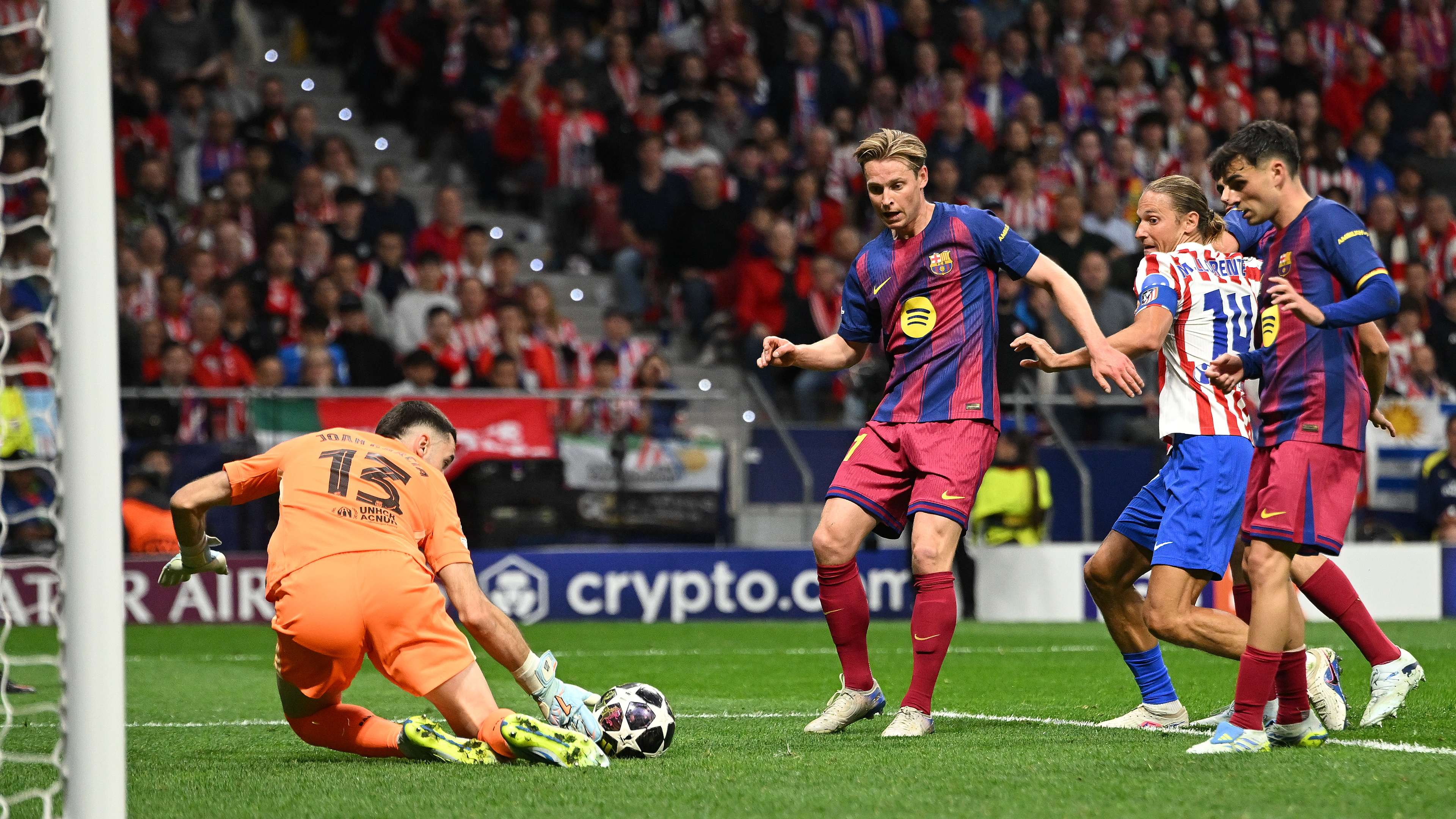
Speaking to GOAL, Grimandi suggested that Arsenal could currently be viewed as the second-best team in Europe, placing them behind reigning Champions League holders Paris Saint-Germain but ahead of Spanish powerhouse Barcelona. His prediction adds weight to the growing sense that Mikel Arteta’s side are no longer merely promising challengers: they are being judged against the strongest clubs in world football.
Grimandi’s European Football Rankings Put Arsenal Among the Elite
Ranking Europe’s leading teams is always open to debate, especially in a sport where form, injuries, tactical matchups and individual moments can rapidly change the picture. Still, Grimandi’s comments are notable because they reflect the progress Arsenal have made in recent seasons. The north London club have developed into a side capable of competing consistently at the highest level, rather than relying on occasional runs of good form.
Putting Arsenal above Barcelona is a particularly bold call. The Catalan club remain one of European football’s most recognisable names, with a rich history in the Champions League and a tradition of producing technically gifted teams. Yet reputation alone does not decide the current hierarchy. Grimandi’s view appears to place greater emphasis on Arsenal’s present-day consistency, tactical organisation and ability to challenge elite opponents across a full campaign.
Paris Saint-Germain, meanwhile, sit at the top of his assessment as the reigning kings of Europe. Holding the Champions League title gives PSG a strong claim to that position, but defending it is a different challenge. The competition’s knockout rounds can punish even the most talented squads, making it difficult for any club to maintain dominance from one season to the next.
Last Season’s Heartbreak Could Fuel Arsenal’s Next European Campaign
Arsenal’s return to the Champions League comes with the memory of last season’s disappointment still fresh. A painful exit can leave a team with difficult questions, but it can also provide valuable experience. Players learn how small details—an untimely mistake, a missed opportunity or a brief loss of control—can determine the outcome of a tie against top-level opposition.
For Arteta, the challenge will be to turn that experience into progress. Arsenal must balance the emotional drive to go further with the calm required to manage high-pressure matches. In Europe, a strong domestic record is not always enough. Teams need to adapt to different styles, remain composed away from home and make the most of decisive moments in both penalty areas.
The Gunners’ growing familiarity with Champions League football could be an important advantage. A team that understands the pace and demands of the competition is better equipped to handle its unpredictable stretches. Arsenal’s ambition will be to show that last season’s setback was not the limit of their European potential, but a stage in their development.
Premier League Title Question Remains Difficult
Grimandi also addressed a challenging question about Arsenal’s prospects in the Premier League title race. The league is among the most demanding competitions in world football, and predicting a champion months in advance is rarely straightforward. A club’s position can be shaped by squad depth, injuries, fixture congestion and the ability to keep producing results during periods when performances are less convincing.
Arsenal have established themselves as serious domestic contenders, but the demands of pursuing a league title while competing in Europe are considerable. The schedule can become especially intense during the winter and spring, when league fixtures overlap with domestic cup ties and Champions League knockout matches. Managing that workload requires more than a strong starting eleven; it calls for reliable options across the squad and careful decisions from the coaching staff.
That is why any prediction about Arsenal’s title chances should be treated as a snapshot rather than a guarantee. The Gunners’ quality gives them reason to aim high, but sustained success depends on responding well to setbacks and maintaining standards over a long season. Rivals will also be strengthening and adjusting, ensuring that the race is likely to remain competitive.
What Arsenal Need to Prove in 2026–27
If Arsenal are to justify Grimandi’s ranking, they will need to demonstrate that they can turn potential into silverware. Their European campaign will test their tactical flexibility as much as their technical ability. Opponents may press aggressively, defend deep or target spaces behind the full-backs, so the Gunners must be prepared to change their approach without losing their identity.
Efficiency could prove decisive. Champions League ties often feature long periods in which neither side creates clear chances, making clinical finishing and disciplined defending essential. Arsenal will also need to manage the emotional swings of two-legged contests, where a promising first-leg result can quickly become precarious and a difficult opening match does not necessarily end a team’s hopes.
Squad management will be another key factor. A demanding season can expose weaknesses in depth, particularly if injuries affect important positions. Keeping influential players fit while giving substitutes meaningful opportunities may help Arsenal remain competitive in both England and Europe. The ability to rotate without a major drop in performance often separates title contenders from teams that fade during the decisive months.
Prediction: Arsenal Have the Quality, but the Hardest Tests Lie Ahead
Grimandi’s assessment is an encouraging endorsement of Arsenal’s standing in European football. Placing the Gunners behind PSG and ahead of Barcelona signals that their recent progress has earned respect beyond England. It also raises expectations: being described as one of Europe’s best teams brings added scrutiny, particularly when the Champions League reaches its most demanding stages.
The most realistic prediction is that Arsenal will enter the 2026–27 campaign as credible contenders, but not guaranteed winners. Their prospects will depend on how effectively they learn from last season’s heartbreak, cope with the pressure of multiple competitions and deliver in decisive moments. PSG may begin as the benchmark, while Barcelona and other leading clubs will remain formidable challengers.
For Arsenal supporters, the central question is no longer simply whether the club belongs among Europe’s elite. Grimandi’s comments suggest that it does. The bigger test is whether the Gunners can convert that recognition into a defining Champions League run—and remain strong enough in the Premier League to keep their title ambitions alive at the same time.