
Yasser Al-Qahtani Explains Abdullah Al-Hamdan’s Improved Form at Al-Nassr
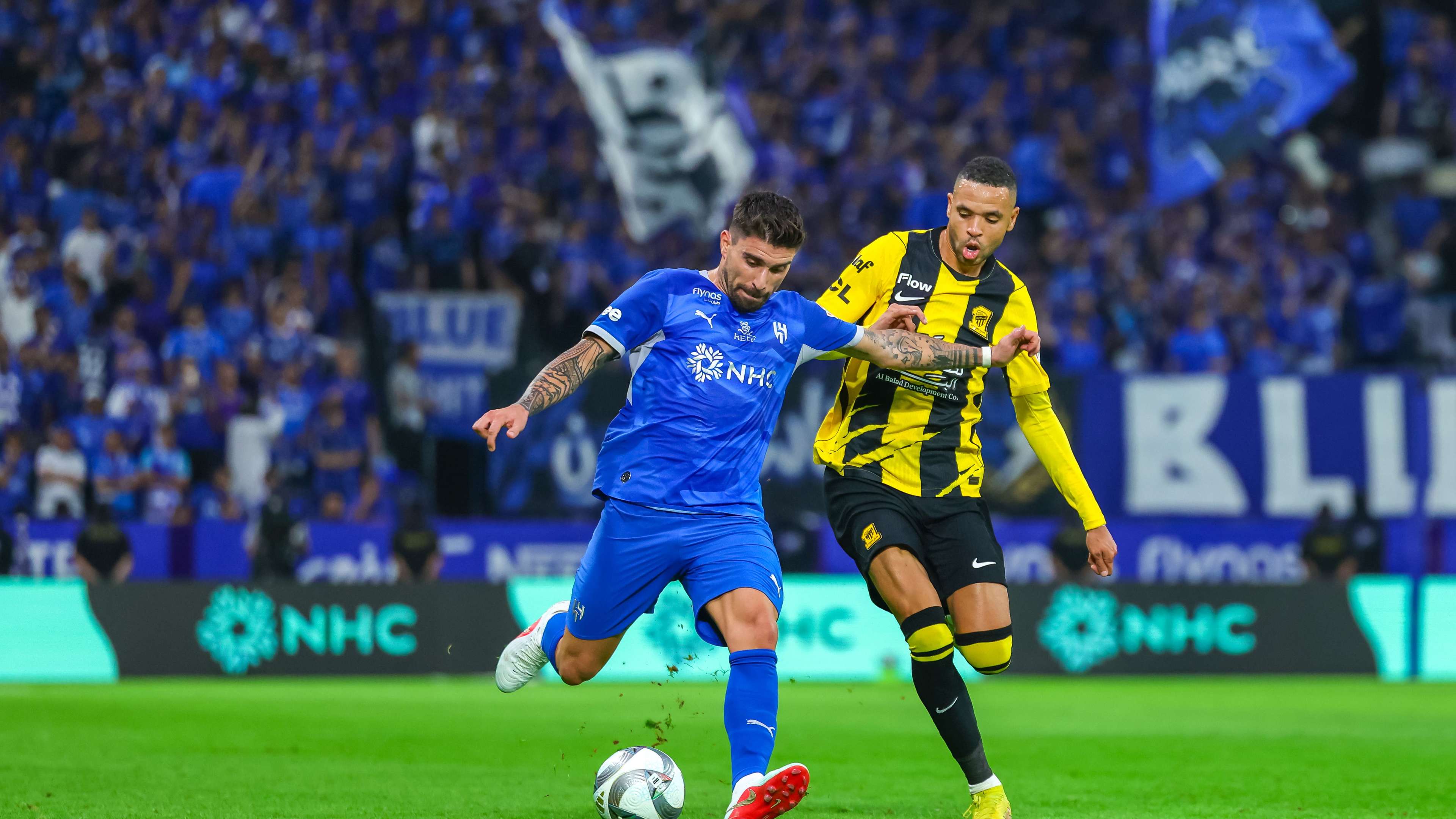
Abdullah Al-Hamdan’s revival at Al-Nassr has sparked debate among former Saudi football stars, with Yasser Al-Qahtani pointing to confidence, consistent playing time and positional stability as key reasons for the striker’s improved performances. The discussion also raises a broader question: has Al-Hamdan simply found the right role, or could he still make an impact in different attacking positions?
The Saudi forward joined Al-Nassr during the winter transfer window after ending his contract with Al-Hilal. Since making the move, he has produced the most productive spell of his club career so far. His progress has drawn attention not only because of his goals and assists, but also because it offers a striking contrast with his earlier record at Al-Hilal.
Confidence and regular appearances make a difference
Former Al-Nassr goalkeeper Abdullah Al-Anzi recently discussed Al-Hamdan’s development on the Thmanyah channels. In his view, the striker has looked more comfortable at Al-Nassr than he did at his previous clubs. Al-Anzi suggested that experience, a greater number of appearances and the quality of the squad may all have contributed to the change.
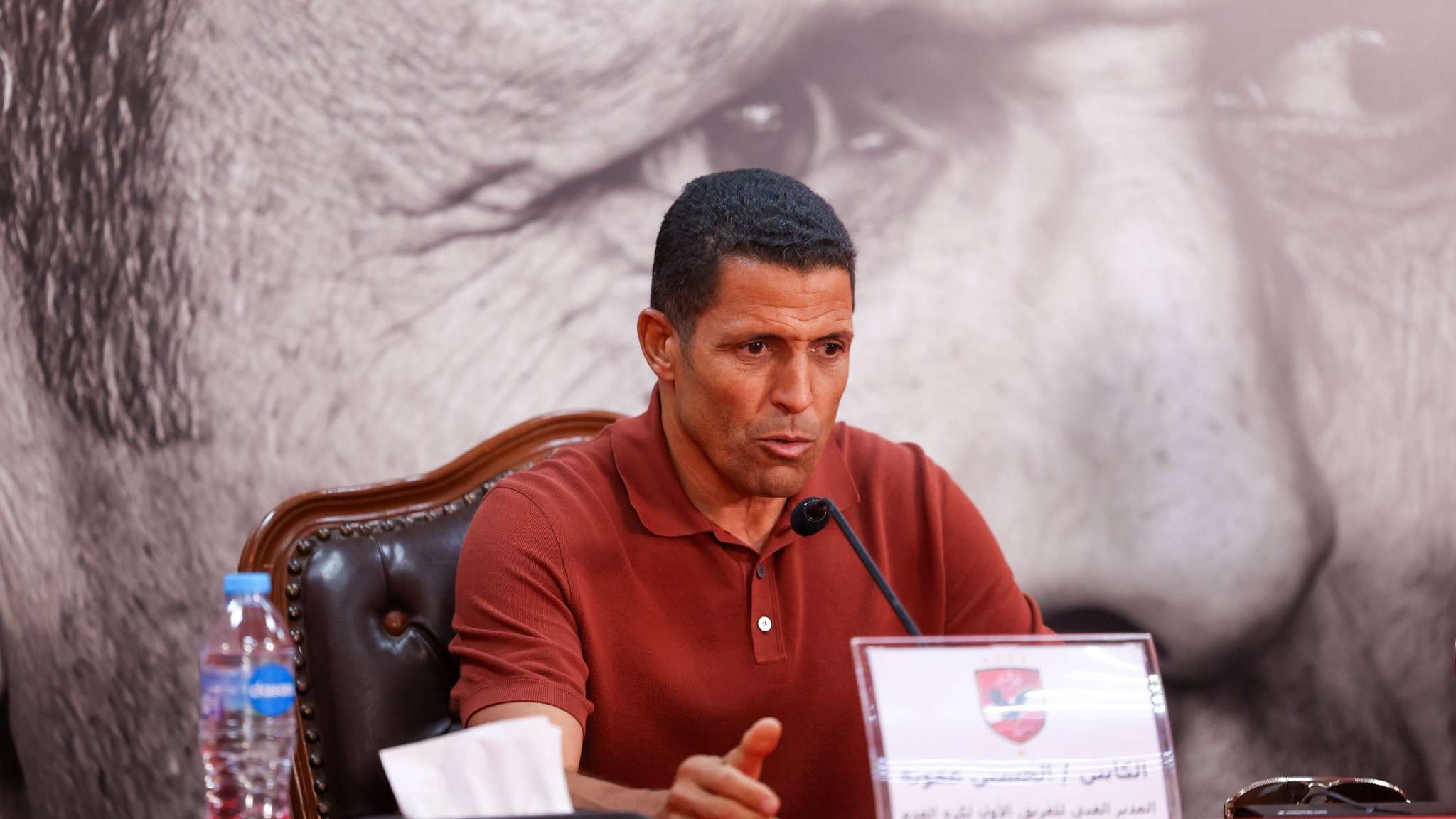
Al-Qahtani offered a more specific explanation. He argued that Al-Hamdan may be benefiting from the confidence shown by his coach, who has given him more opportunities to play. The support of Al-Nassr’s fans, he added, may also have helped the forward settle and perform with greater conviction.
That combination can be significant for a striker. Regular minutes give a player the chance to build rhythm, understand teammates’ movements and recover quickly from a missed chance or an uneven performance. When a coach continues to trust a forward, the player can focus on making decisive runs and taking opportunities rather than worrying about whether one mistake will cost him his place.
Positional stability compared with Al-Hilal
Al-Qahtani also highlighted the role Al-Hamdan has been asked to play. At Al-Nassr, he said, the striker appears more settled in his position. At Al-Hilal, by contrast, Al-Hamdan was moved between roles, which may have made it harder for him to establish a consistent presence on the pitch.
For a forward, positional clarity can shape almost every part of a performance. A central striker must learn when to stay between the defenders, when to drop deeper to link play and when to attack space behind the back line. A player frequently shifted into unfamiliar positions may still contribute, but it can take longer to develop the timing and understanding required to influence matches consistently.
Al-Hamdan’s current form therefore appears to reflect more than a change of club. His improved numbers suggest that the environment at Al-Nassr has given him a clearer platform to show his strengths. Still, confidence and role definition are not the only possible explanations: familiarity with teammates, tactical fit and the demands of each competition may also affect a striker’s output.
Could Al-Hamdan also succeed on the wing?
Former Al-Ittihad player Manaf Abu Shaqeer challenged the idea that Al-Hamdan should be viewed only as a central forward. He recalled the Saudi national team’s match against China, in which Al-Hamdan impressed while playing as a left winger. For Abu Shaqeer, that performance showed the striker can offer value away from the centre of the attack.
He pointed to Al-Ahli forward Firas Al-Buraikan as an example of a Saudi attacker who can be deployed in different positions. Abu Shaqeer also noted that Al-Qahtani himself had played on the flank during his career. The comparison is a reminder that a forward’s best position is not always a single, fixed spot; movement across the front line can create tactical options, particularly against opponents who defend narrowly.
Using Al-Hamdan wide could allow him to attack from the left, run at a full-back or move inside to create a shooting opportunity. It may also help Al-Nassr adjust its shape during a match. However, such flexibility works best when the player receives clear instructions and has the support of teammates who can cover the spaces he leaves behind.
The numbers behind Al-Hamdan’s Al-Nassr breakthrough
Al-Hamdan’s statistics provide a clear measure of the difference between his two spells. In 35 appearances for Al-Nassr, he has scored 10 goals and recorded six assists. Across 145 appearances for Al-Hilal, he managed 13 goals and 10 assists.
The comparison is not a complete measure of performance: appearances, minutes played, competition level and tactical responsibilities all matter. Even so, the contrast is notable. Al-Hamdan has reached a much higher rate of direct goal contributions at Al-Nassr, suggesting that the move has given him more opportunities to influence the final third.
For Al-Nassr, a productive Al-Hamdan adds depth and another source of goals and assists. For the player, the immediate challenge is to maintain his output as opponents study his movement and defensive pressure increases. Consistency across a full season will be a stronger test than a promising run of form, especially if the team’s tactical needs require him to switch positions.
What Al-Hamdan’s form could mean for Saudi football
The debate around Al-Hamdan offers a useful lesson for Saudi football: a player’s development can depend as much on opportunity and tactical fit as on raw ability. More playing time, a defined role and the confidence of a coach can help unlock qualities that were less visible elsewhere. At the same time, Abu Shaqeer’s comments suggest that positional versatility could become another asset rather than a distraction.
Any prediction about Al-Hamdan’s long-term impact should therefore consider both his current role and his capacity to adapt. If he continues scoring, creates chances for teammates and remains effective when asked to operate from wider areas, he could become an increasingly valuable option for Al-Nassr. His next performances will show whether this breakthrough is a sustained transformation—or the start of an even more flexible chapter in his career.