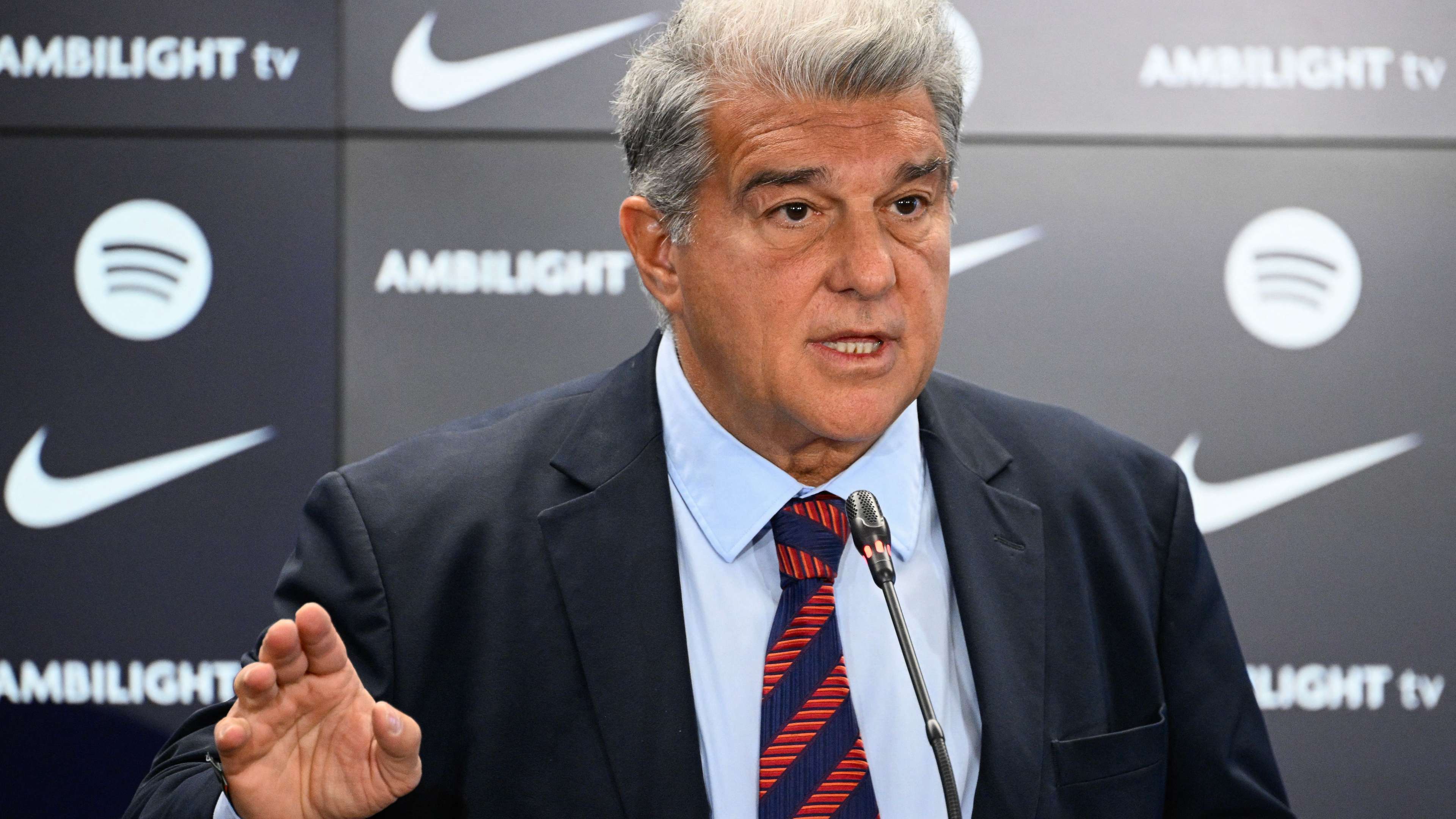

Barcelona Appoints Joaquim Forn to Strengthen Corporate Governance
FC Barcelona have made an unexpected appointment that is already generating debate in Catalonia and across Spanish football. The club has selected Joaquim Forn, a former interior minister in the Catalan government, to lead its corporate governance department—a move intended to bring greater structure and discipline to decision-making at one of the world’s most closely watched sports institutions.
The appointment was first reported by the Betevé programme La Porteria and later confirmed by Mundo Deportivo. Forn’s arrival comes as Barcelona continue to review how the organisation is managed, with the club seeking to ensure that major decisions follow a clear process and remain consistent with the objectives set by its board of directors.
Why Barcelona Is Focusing on Governance
Barcelona’s new governance chief is expected to help reinforce the systems that guide the club’s institutional and corporate decisions. The role is not about choosing formations or shaping the team’s football tactics. Instead, it concerns the frameworks, responsibilities and procedures that support the club’s broader operations.
According to reports, Forn’s appointment was approved on Monday. His remit will include strengthening the governance model and helping align decision-making with priorities endorsed by the board. In practical terms, that could mean clearer accountability, more consistent oversight and improved coordination between different areas of the organisation.
Such work matters at a club with Barcelona’s global profile. Its decisions can affect sporting operations, commercial partnerships, finances, supporters and the institution’s standing in Catalonia and beyond. Strong governance does not guarantee success on the pitch, but it can help create a more stable environment in which football leaders and staff can plan for the future.
A Strategic Appointment Amid Public Debate
Forn’s political background has made the move particularly striking. His appointment is likely to attract attention not only because of his experience in public office, but also because of the controversy surrounding his past. Barcelona is deeply connected to Catalan identity, and choices involving prominent political figures can quickly become subjects of wider public discussion.
The club’s decision therefore carries both an administrative purpose and a symbolic dimension. Supporters and observers will be watching to see whether Forn can apply his experience in institutional leadership to the demands of a major football organisation. The key test will be whether the department can deliver practical improvements in how decisions are prepared, reviewed and implemented.
Who Is Joaquim Forn?
Forn is a law graduate who built a long career in local politics, including service on Barcelona City Council. In July 2017, he became interior minister in the Catalan government, placing him in a senior position during a period of intense political tension in the region.
His time in office was short. Forn resigned in October 2017 after being put on trial over events connected to the Catalan independence referendum held on 1 October. He was imprisoned at Estremera alongside eight other former ministers while the legal proceedings continued.
In 2019, Forn was sentenced to ten years and six months in prison. The case remained a major point of political and legal debate, and his sentence later became part of a broader discussion about the consequences of the events surrounding the referendum. In 2021, he received a pardon and was released.
From Legal Services to Barcelona’s Governance Department
In recent years, Forn has worked in the legal services of the Mediapro group, gaining experience in a corporate environment after his time in public life. His move to Barcelona represents another transition—from political and legal institutions to the governance structure of a major sports club.
That combination of experience may be one reason the club views him as a suitable choice. Public administration requires an understanding of formal procedures, institutional responsibilities and complex stakeholder relationships. Corporate governance similarly depends on clear rules, careful oversight and the ability to balance competing interests. Forn will now be expected to translate those skills into a football setting.
What the Appointment Could Mean for the Club
Barcelona’s governance department operates away from the spotlight given to players, coaches and match results, but its work can influence the conditions in which sporting decisions are made. Effective oversight can help ensure that plans approved by the board are followed through, responsibilities are understood and major choices are handled consistently.
For supporters, the appointment raises an important question: will the change lead to visible improvements in the club’s organisation? The answer will depend less on the headline announcement than on the systems Barcelona puts in place and the results those systems produce over time. Greater clarity around decision-making could help the club manage its complex responsibilities, although it will not resolve every sporting or financial challenge.
The move also arrives as Barcelona prepare for a demanding football calendar. Their upcoming LaLiga meeting with Atlético Madrid, scheduled for 9 November 2026, will draw attention to the team’s performance and the tactical prediction surrounding the fixture. But while match-day discussion focuses on form, line-ups and the likely outcome, Forn’s work will concern the institutional foundations that sit behind the competition.
Barcelona have framed the appointment as a step toward stronger discipline and a more coherent governance model. Whether Forn’s political, legal and corporate experience can deliver that goal remains to be seen. For now, his arrival signals that the club intends to give greater attention to how it is run—not just how its football team performs.