
Al-Ittihad Takeover Delayed as Saudi Authorities Continue Investor Review
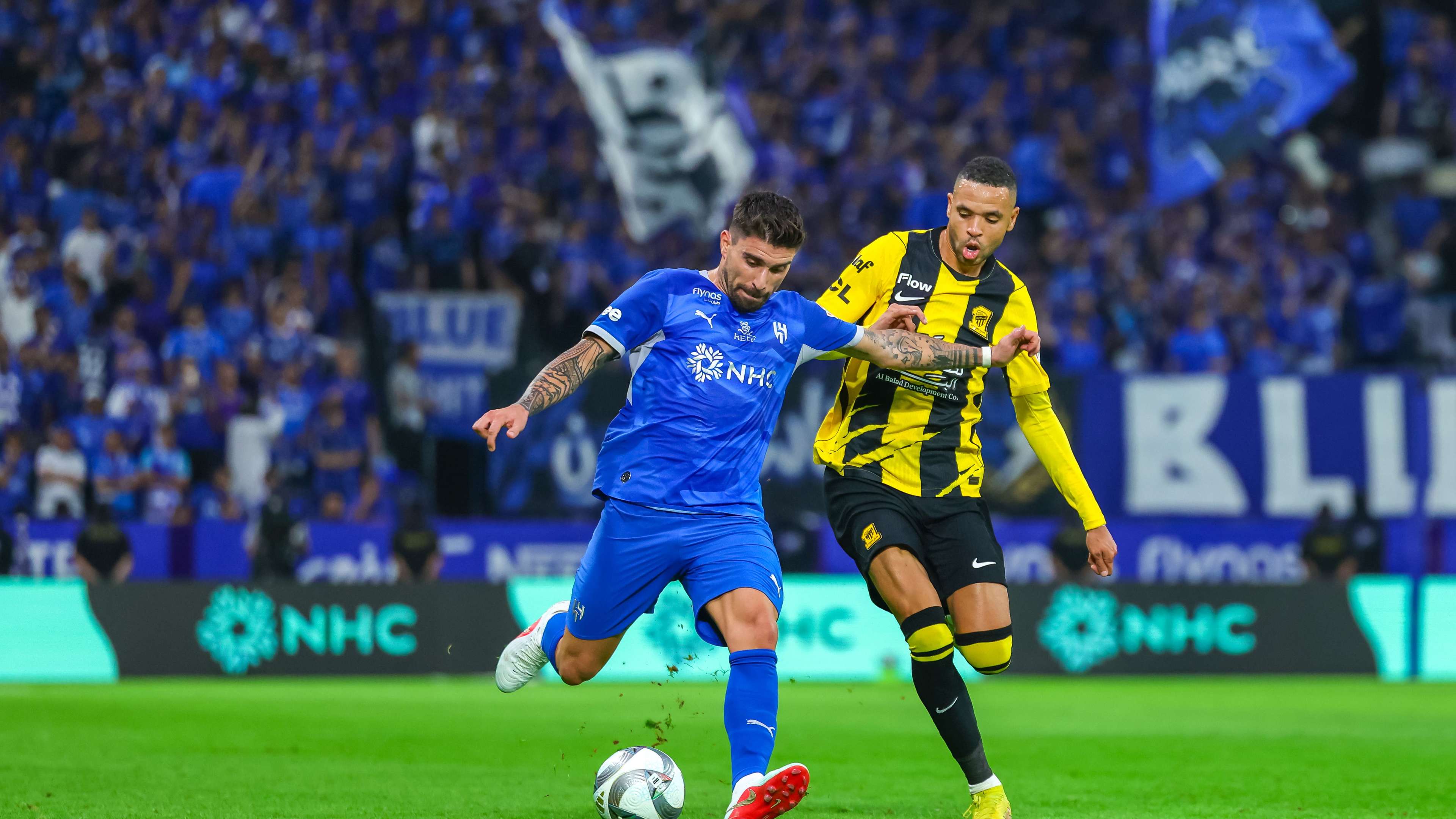
Al-Ittihad supporters may have to wait considerably longer to learn who will take control of the club. While traditional rivals Al-Hilal have already taken a major step toward private ownership, the proposed takeover of the Jeddah side remains under review, with financial and administrative checks still to be completed.
Saudi newspaper Okaz reports that officials are assessing applications from prospective investors and have not yet selected a preferred bidder. The process could continue until the end of 2027, depending on the results of the evaluations and whether applicants can demonstrate the resources and expertise required to run one of Saudi football’s most prominent clubs.
Investor assessments enter a detailed stage
Negotiations with relevant parties are ongoing, and the review of submitted applications has reportedly progressed significantly. The process has now reached a detailed examination of investors’ finances, management capabilities and proposed commitments, followed by a final assessment.
These checks are intended to establish whether potential owners can meet Al-Ittihad’s obligations in both the near and medium term. That includes assessing available funding, the ability to support the club’s operations and the capacity to manage its sporting and commercial ambitions responsibly.
For a club of Al-Ittihad’s stature, ownership involves more than financing transfers or covering day-to-day costs. A successful investor would need to support the wider organisation, including its football department, infrastructure, academy and commercial operations. The review process is therefore likely to consider whether applicants can provide stable leadership as well as substantial capital.
Ownership rules require a local partner
Officials are examining applications from both Saudi and international investors under the framework established by the entity overseeing the ownership process. One important requirement is that any ownership structure involving foreign investment must include a local partner.
Saudi investors may also apply to acquire the club individually. Under the reported rules, a qualified local investor could own as much as 70 per cent of Al-Ittihad’s shares, provided they satisfy the required standards for financial strength and administrative competence.
Such conditions are designed to ensure that a new ownership group can meet its responsibilities over time, rather than relying on short-term spending. They also reflect the broader challenge facing clubs seeking private investment: attracting ambitious owners while maintaining governance standards and financial stability.
Al-Hilal provides a recent ownership precedent
Al-Ittihad’s wait contrasts with the progress made by Al-Hilal, which became the first of Saudi Arabia’s four leading clubs to move away from ownership by the Public Investment Fund. In April, 70 per cent of Al-Hilal’s shares were transferred to Kingdom Holding Company, owned by Prince Al-Waleed bin Talal.
That development has placed Al-Hilal at the forefront of the changing ownership landscape in Saudi football. Its transition offers a prominent example of how a major club can move toward private ownership, although it does not necessarily mean that other clubs will follow the same timeline or structure. Each takeover must be assessed according to its own applicants, financial arrangements and regulatory requirements.
For Al-Ittihad, the comparison is especially significant because the club’s supporters will naturally be watching how its rivals strengthen their position. However, the reported delay suggests that authorities are prioritising a thorough selection process over a quick announcement. A longer review may be frustrating for fans, but it could help ensure that any eventual owner is equipped to manage the club’s long-term needs.
What the delay could mean for Al-Ittihad
Until a preferred investor is selected and the ownership process is completed, uncertainty is likely to remain around the club’s future direction. A takeover can influence budgets, recruitment planning, commercial strategy and the structure of the football department. Even without an immediate change in ownership, the possibility of a transition may shape how supporters assess the club’s ambitions in upcoming seasons.
Al-Ittihad’s schedule also keeps attention firmly on the pitch. The team is due to face Al-Ahli in the Saudi Pro League on November 7, 2026, before meeting Al-Hilal on November 21. The latter fixture could carry added interest given the contrasting ownership situations of the two clubs, though the result will ultimately depend on performance, preparation and the players available on the day.
Any football prediction for those matches should be treated separately from the takeover story. Ownership developments can affect a club’s long-term planning, but they do not determine the outcome of an individual game. Form, injuries, tactical choices and home advantage remain more immediate factors when evaluating a fixture.
A significant decision still lies ahead
The reported timeline means Al-Ittihad may not receive clarity on its next ownership chapter for many months. The final decision will depend on whether applicants meet the financial and administrative standards set by the authorities, as well as the outcome of ongoing discussions and detailed file reviews.
For the “Tigers,” the wait is an important reminder that Saudi football’s shift toward private investment is not a uniform process. Al-Hilal may have moved first, but Al-Ittihad’s future will be shaped by its own assessment and the suitability of the investors seeking control. Supporters will now be watching for further updates as the review continues—and hoping that the eventual outcome provides the stability and resources needed to compete at the highest level.