
Sayed Moawad’s angry post fuels debate after Omar misses Al-Ahly squad
Former Egypt international Sayed Moawad has sparked fresh debate about young players’ opportunities at Al-Ahly after posting an angry message on Instagram following the club’s latest squad announcement. The former Red Devils defender did not name anyone directly, but the timing of his comments led many supporters to connect them with the omission of his son, Omar, from the team selected to face El Sekka El Hadid in the Egypt Cup.
“This is far too much. Enough injustice; we have reached our limit. God is present,” Moawad wrote on Friday. He offered no further explanation, leaving fans and commentators to interpret the message as a response to his son’s absence. The post quickly drew attention because it revived a long-running question around Omar’s prospects: does he have a genuine path into Al-Ahly’s first team, or would a move elsewhere give him a better chance to develop?
Al-Ahly squad selection puts Omar’s future back in focus
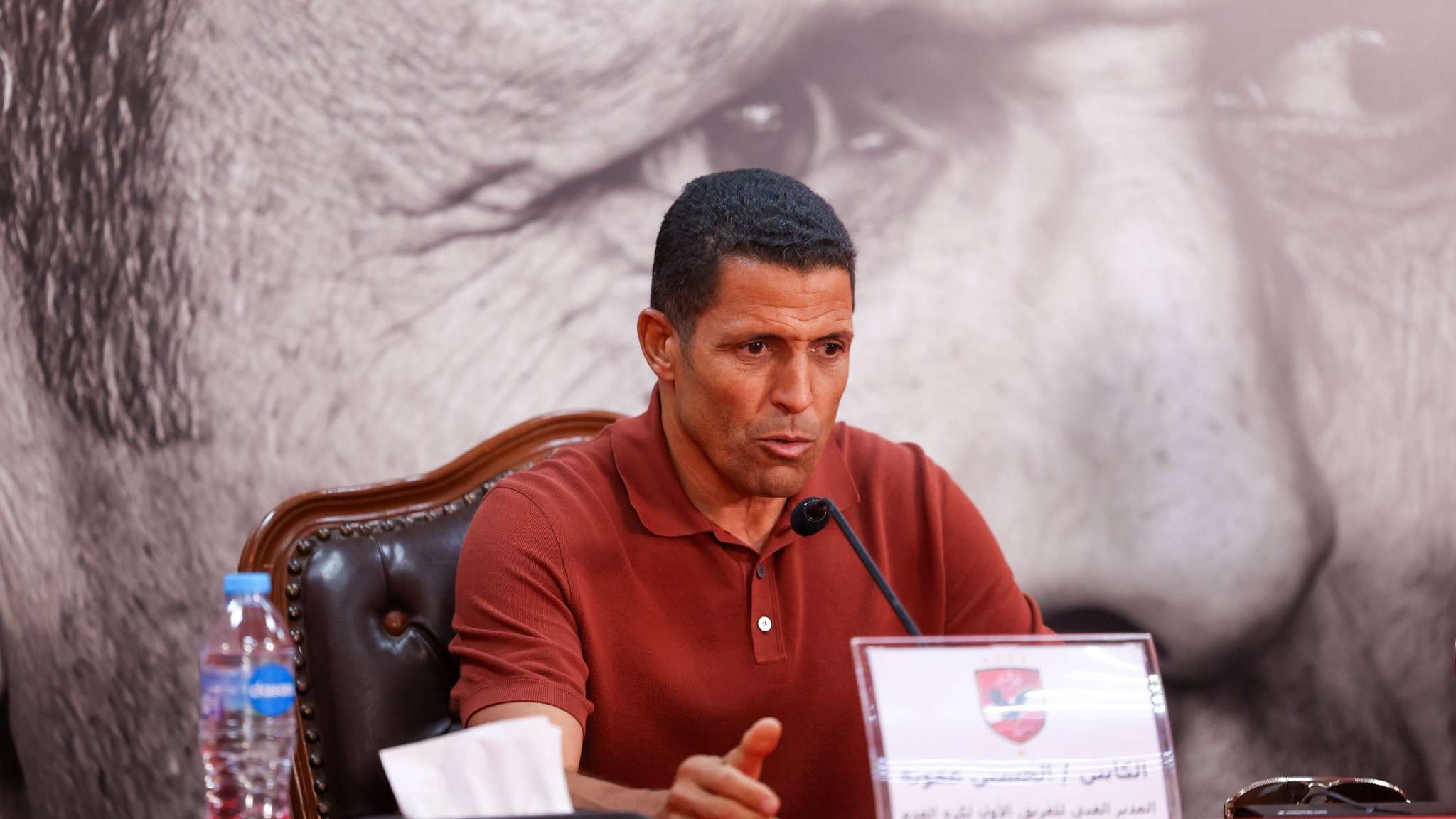
Al-Ahly head coach Houcine Ammouta named 23 players for the Egypt Cup round-of-32 match against El Sekka El Hadid, scheduled for Saturday at Cairo Stadium. Omar was not included. The club’s wider list of absentees reportedly contained 11 players in total, with three unavailable because of injury and eight left out of the coaching staff’s plans for the fixture.
That distinction matters. A player can miss a match for many reasons, including fitness, tactical choices, competition for places or a decision to manage workload. In a knockout competition, coaches may also select a squad suited to the specific opponent and the demands of the match. Without an official explanation for Omar’s omission, it is not possible to say that the decision reflects a lasting judgment about his ability or future.
Still, the selection has attracted attention because it follows earlier public comments from Moawad about his son’s limited first-team opportunities. When a prominent former player speaks out, even without naming the coach or club, the discussion can quickly move beyond one squad list. Supporters begin weighing the club’s responsibility to compete for trophies against its role in giving young footballers meaningful minutes.
A disagreement that has been building for months
The latest Instagram post is not the first time Moawad has expressed concern about Omar’s situation. In November 2025, he told a television programme that he believed his own reputation and name might be affecting his son’s chances of playing for Al-Ahly’s senior side.
“The name Sayed Moawad has wronged my son Omar when it comes to playing with the first team,” he said at the time, adding that he was upset because he considered Omar talented. The claim was a personal assessment, not evidence that the club had deliberately treated the player unfairly. Nevertheless, it highlighted a sensitive issue in football: the way a young player’s family connections can become part of the public conversation, sometimes overshadowing his performances and development.
For Omar, that attention may create additional pressure. Young players need regular opportunities, but they also need time to adapt to the pace, physical demands and tactical expectations of senior football. A single omission does not determine a career. However, repeated absences can leave players and families questioning whether the club has a clear development plan for them.
Loan and transfer possibilities add to the speculation
Omar’s future was also discussed in January 2026, when media figure Ahmed Shobair reported that a loan move to Al-Bank Al-Ahly had been considered. Zed were also said to be interested in a permanent deal. Shobair later reported that Al-Ahly had stepped back from the proposed move, leaving the player’s immediate situation unresolved.
A loan can offer a young footballer something that training alone cannot: regular senior minutes in competitive matches. At another club, Omar could gain experience, face different tactical challenges and demonstrate whether he can translate potential into consistent performances. A permanent transfer, meanwhile, could provide a clearer long-term route, though it would mean Al-Ahly relinquishing some control over his development.
Staying at Al-Ahly has its own advantages. The club offers a high-level training environment and the chance to compete for major honours. But if first-team opportunities remain limited, the value of that setting depends on whether there is a realistic plan for progression. The best decision would need to balance playing time, coaching, contract terms and the player’s personal development—not simply the reaction to one matchday selection.
What comes next for Omar and Al-Ahly?
For now, neither Moawad’s post nor Omar’s omission provides a definitive answer about what will happen next. The club has not publicly explained the selection decision, and there has been no confirmed announcement of a loan or transfer. Until more information emerges, claims about a rift or a final decision on Omar’s future should be treated with caution.
The Egypt Cup match against El Sekka El Hadid will instead give Al-Ahly a chance to focus on the immediate task: progressing in a knockout tournament. For the coaching staff, the priority is choosing a squad capable of handling the tie. For supporters, the broader story is whether the club can combine short-term results with a pathway for emerging talent.
That balance is a familiar challenge for major teams. Al-Ahly’s expectations are high, and coaches are judged on trophies and results. At the same time, young players need more than occasional training sessions to prove themselves. Clear communication about development plans, loan options and first-team opportunities can help prevent uncertainty from becoming a public dispute.
Prediction: a loan could offer Omar the clearest route to minutes
Any prediction about Omar’s next step remains speculative, but a temporary move could be a practical option if Al-Ahly cannot offer him regular playing time. A well-chosen loan would allow the midfielder to build experience without necessarily closing the door on a future return. The key would be finding a club where he is expected to compete for minutes, rather than simply adding depth to another squad.
Whether he stays, goes on loan or eventually transfers permanently, Omar’s progress will ultimately be judged by his performances on the pitch. Moawad’s comments have brought attention to the issue, but the next chapter will depend on the player’s development, Al-Ahly’s planning and any opportunities that arise in the coming weeks.