
Tanvi Sharma and Unnati Hooda Set Up All-Indian Semifinal at Syed Modi International
Indian women’s singles players Tanvi Sharma and Unnati Hooda booked their places in the semifinals of the Syed Modi India International after two gripping quarterfinals in Lucknow on Friday. Both matches went to three games, testing the players’ patience and stamina and giving the home crowd plenty to cheer at the BBD UP Badminton Academy.
Second seed Tanvi, ranked World No. 21, recovered from a difficult second game to defeat Indonesia’s Ni Kadek Dhinda Amartya Pratiwi 21-19, 18-21, 21-14. Hooda then edged fellow Indian Anmol Kharb 21-19, 15-21, 21-18 in a 77-minute contest. Their victories guarantee India a representative in the women’s singles final, with the two set to meet in Saturday’s semifinal.
Tanvi rallies after Pratiwi forces a decider
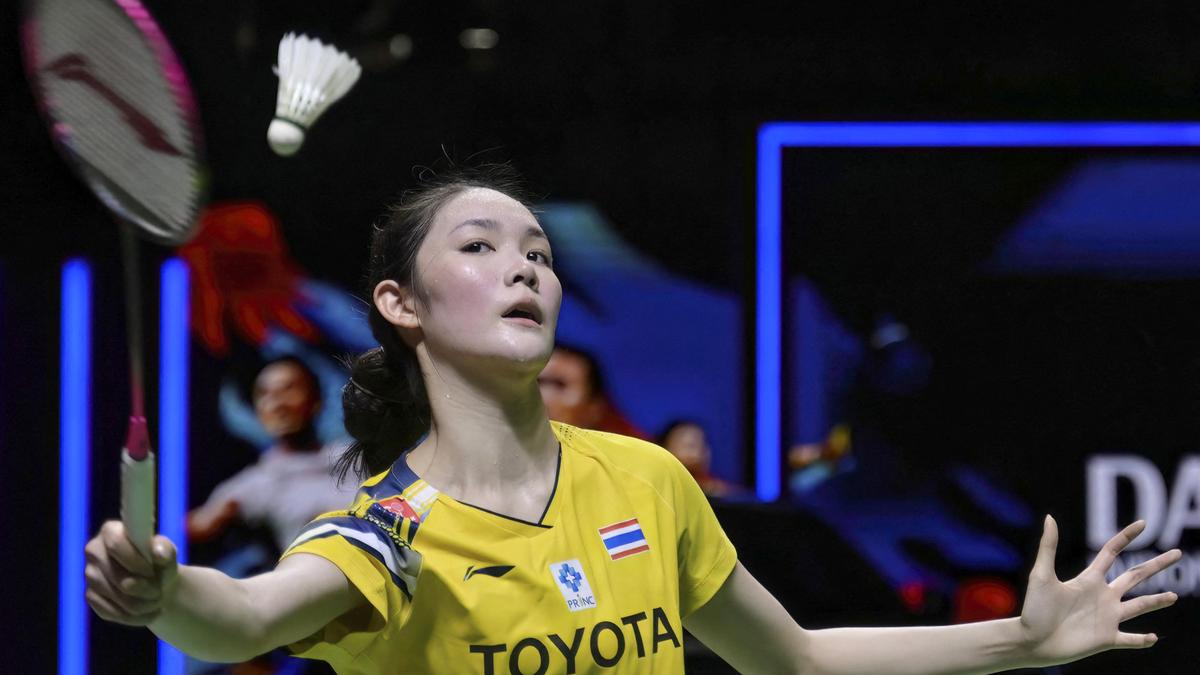
Pratiwi, ranked 56th in the world, made an assertive start against Tanvi and showed little concern about facing the tournament’s second seed. Tanvi took time to settle, but gradually found her range, using changes in shuttle direction and well-judged placement to move her opponent around the court.
The opening game remained close throughout. Tanvi held a narrow advantage at the interval, but Pratiwi stayed in contention and brought the score level at 19-19. With the game on the line, the Indian kept her composure, winning the next two points to take a hard-fought lead.
Pratiwi responded with greater attacking intent in the second game. She quickly built a five-point cushion, putting Tanvi under pressure with sharp shots into the corners and sustained attacks that limited the Indian’s opportunities to counter. Tanvi tried to close the gap, but the Indonesian maintained her advantage and levelled the match 21-18.
The deciding game was another test of Tanvi’s resilience. She went into the interval trailing 9-11, but adjusted her approach after the break. Accurate placement forced Pratiwi into difficult defensive positions, while Tanvi was quick to recover and intercept the Indonesian’s replies. During one rally, Pratiwi’s racket struck the floor as she attempted to defend a smash, breaking it in the process.
With the crowd behind her, Tanvi took control in the closing stages. She increased the pressure, pulled away on the scoreboard and completed the 21-14 win to reach the last four.
“I was making many mistakes, but I told myself to just play rallies and forget about winning or losing. I just have to play my best,” Tanvi said after the match. Her comments reflected the mindset required in a three-game contest: staying focused on the next rally rather than allowing the score or earlier errors to dictate her play.
Hooda wins a demanding all-Indian battle
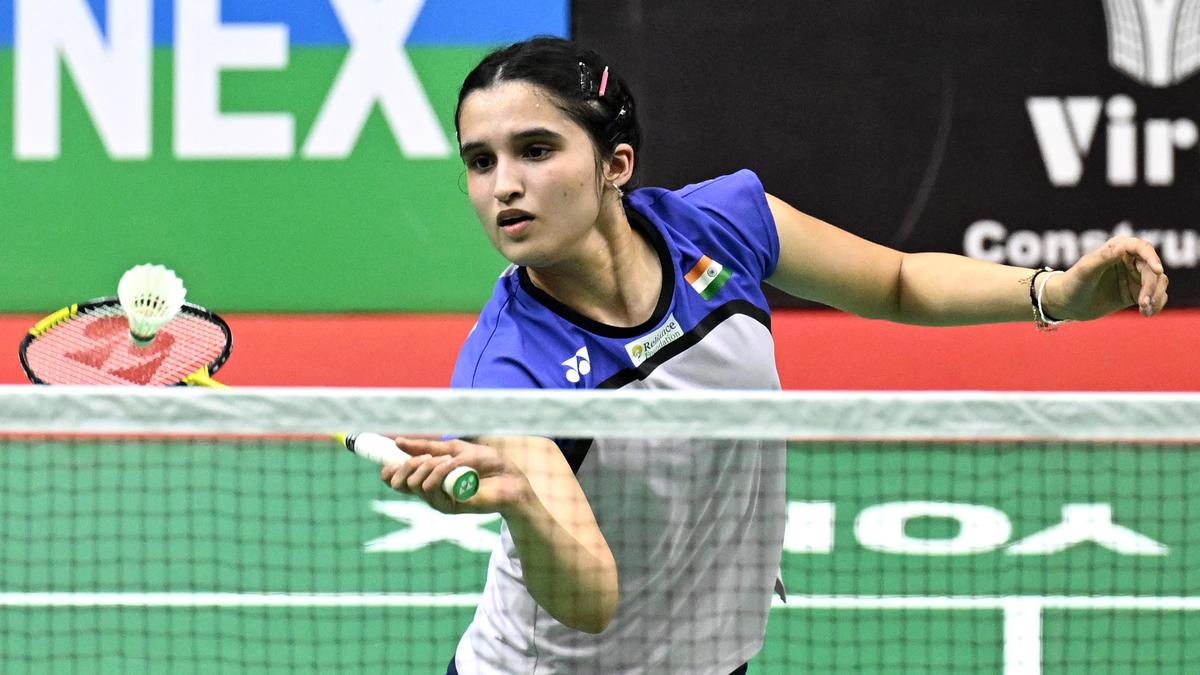
The other women’s singles quarterfinal brought together two 19-year-olds familiar with each other’s game. Hooda and Kharb had previously met in the quarterfinals of this year’s Hylo Open, where Kharb came out on top. This time, Hooda turned the result around in a match defined by long rallies and repeated shifts in momentum.
Kharb began confidently and held a slight advantage in the first game. Hooda moved ahead by three points after the interval, but her opponent refused to let the game slip away, drawing level at 18-18. Hooda then showed patience under pressure, taking three of the next four points to claim the opener 21-19.
Kharb answered strongly in the second game. As Hooda fell behind, Kharb grew more assured and began controlling the exchanges. Both players covered the court tirelessly, stretching rallies and forcing each other to find new angles. Kharb earned seven game points and converted her third opportunity to win 21-15, sending the match into a decider.
The final game offered little separation at first. Neither player could establish a commanding lead, and every point carried added importance as the contest moved into its closing stages. Hooda eventually created a two-point advantage and managed it carefully, holding off Kharb’s challenge to seal the match 21-18.
Hooda said patience had been central to her performance so far in the tournament. She also noted that each opponent requires a different plan, even when a player carries the same mental approach from one match to the next. That balance—adapting tactics while remaining composed—will be important against Tanvi in the semifinal.
Other quarterfinal results from Lucknow
India’s Tasnim Mir was unable to join Tanvi and Hooda in the women’s singles semifinals. She lost 11-21, 11-21 to top seed Riko Gunji of Japan, who will face Thailand’s Supanida Katethong in the next round.
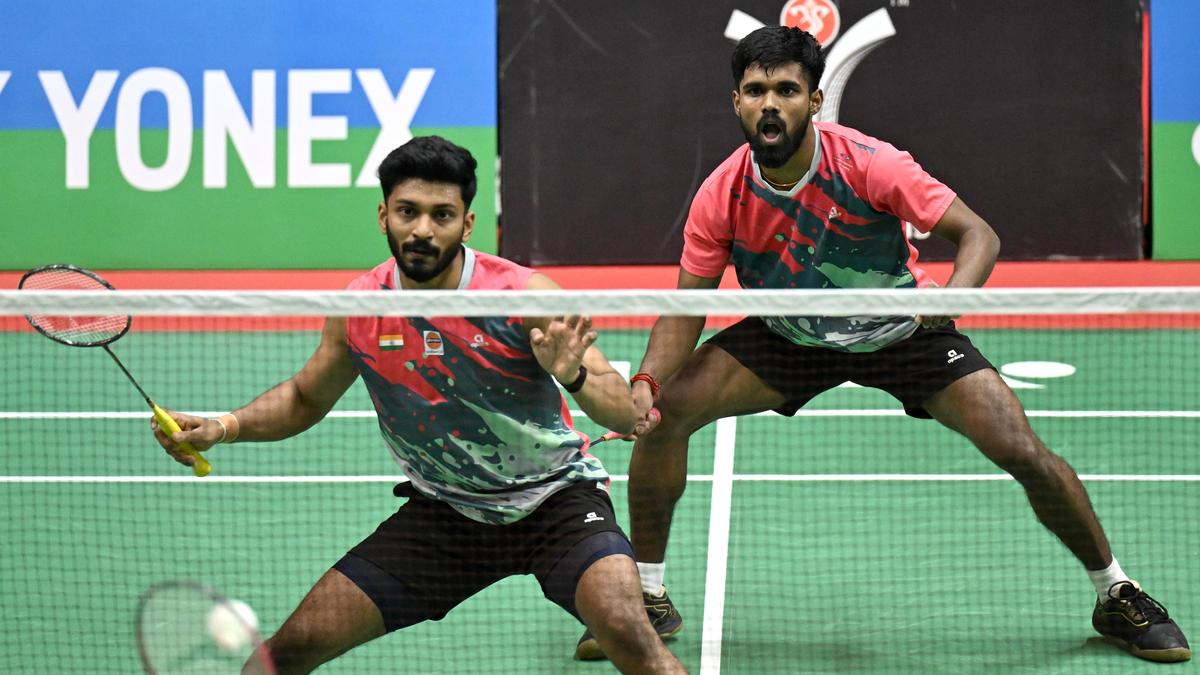
In men’s doubles, third seeds M.R. Arjun and Hariharan Amsakarunan made a strong start but could not sustain their advantage against Thailand’s Chaloempon Charoenkitamorn and Worrapol Thongsa-nga. The Indian pair won the first game 21-10 before their opponents fought back to take the next two 21-12, 21-13.
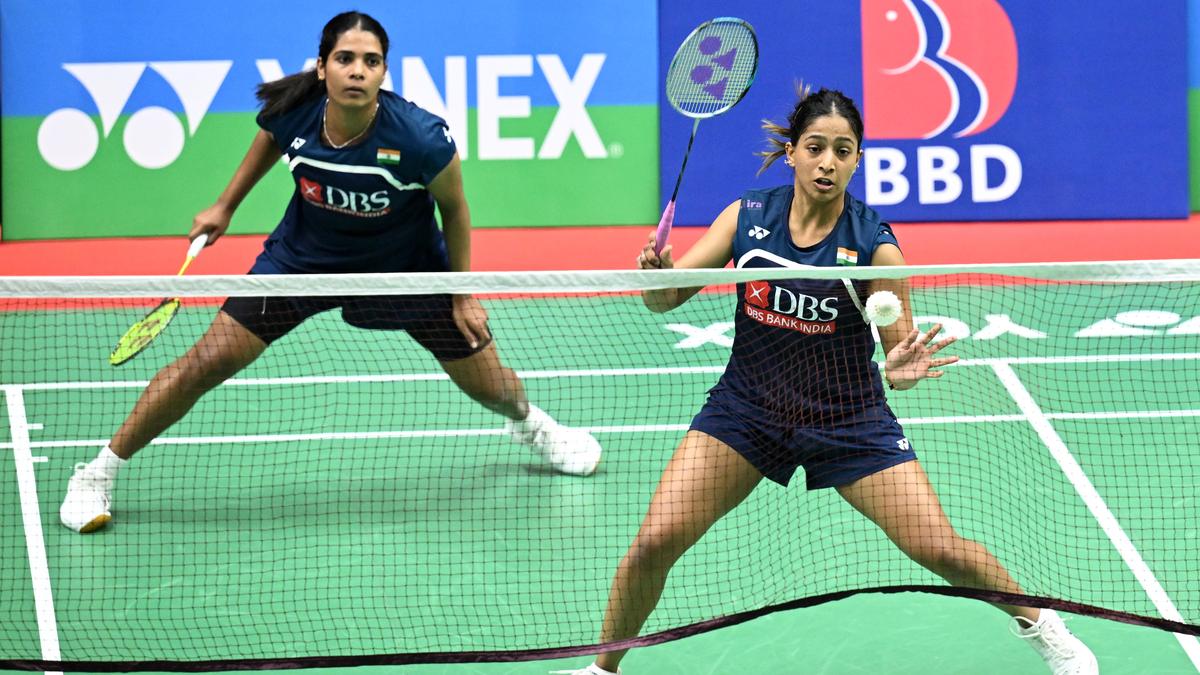
Top seeds Treesa Jolly and Gayatri Gopichand advanced in women’s doubles after receiving a walkover from France’s Margot Lambert and Camille Pognante. The Indian duo remain in contention for a third consecutive title, a milestone that would add further significance to their campaign at the Syed Modi International.
In mixed doubles, Sathwik Reddy Kanapuram and Reshika Uthayasooriyan defeated compatriots Viraj Kuvale and Rutaparna Panda 21-8, 21-14 to secure a semifinal place. Their straight-games victory added another positive result for India on a busy day of badminton in Lucknow.
A key semifinal for Indian badminton
Saturday’s Tanvi-Hooda meeting will be more than a place in the final: it will also be a chance for both players to measure their progress against a familiar domestic rival on a major international stage. Tanvi will look to build on her recovery against Pratiwi, while Hooda will aim to carry forward the patience that helped her outlast Kharb.
With the women’s singles final now guaranteed to feature an Indian, the semifinal promises another close contest for local supporters. The quarterfinals showed how quickly momentum can shift in badminton—and how composure, court coverage and smart shot selection can prove decisive when a match reaches its final game.