
Syed Modi India International 2026: Indian Fans Gain Live Access After BWF Lifts YouTube Geo-Block
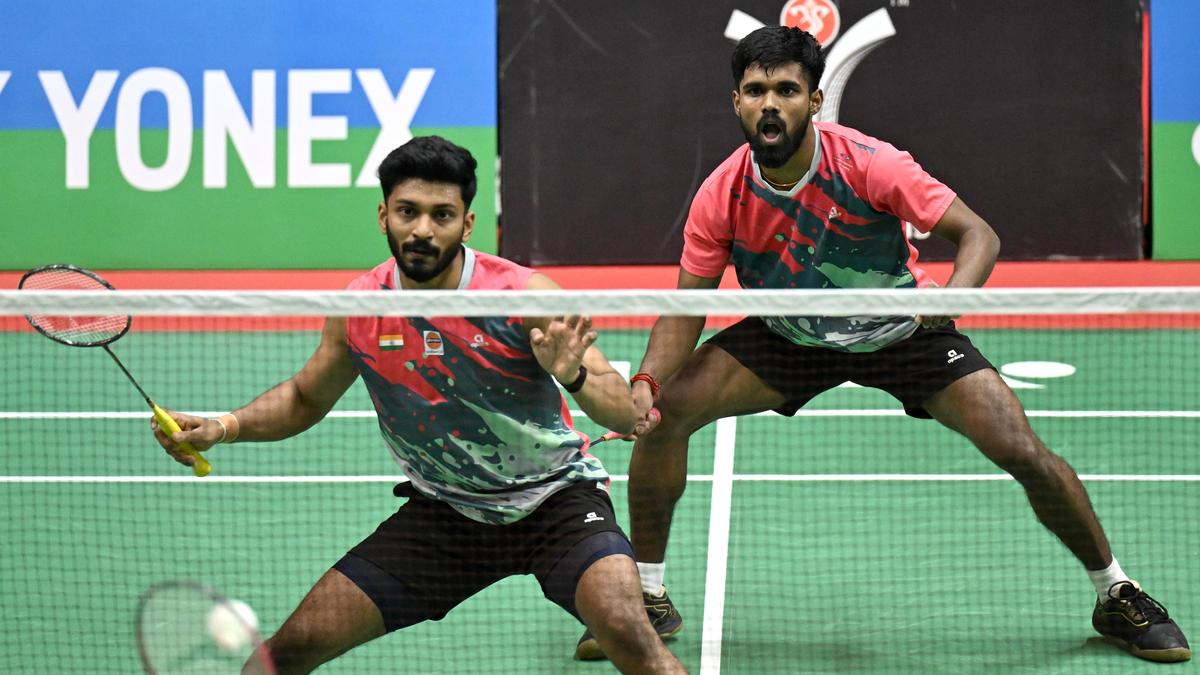
Indian badminton fans were finally able to watch the Syed Modi India International 2026 live on the Badminton World Federation’s (BWF) YouTube channel from Friday’s quarterfinals, after a geo-block that had restricted access in the host country was removed three days into the tournament.
The change offered a welcome boost to supporters eager to follow a strong Indian contingent competing across multiple events. But it also raised questions about who held the tournament’s domestic streaming rights, why viewers in India could not access the BWF feed in the opening rounds, and how badminton broadcasts are managed in a market where the sport has a large following but comparatively limited commercial revenue.
Why the BWF TV stream was unavailable in India
BWF TV had streamed matches on YouTube from the start of the competition. However, viewers in India found the live coverage blocked. The video description explained that access could be restricted in countries where local broadcast rights had been sold.
In an email to Sportstar, the BWF press office said the domestic rights belonged to the Badminton Association of India (BAI). It added that BAI could stream the tournament within India if it chose to do so, and explained that BWF blocks its YouTube coverage in certain markets to help host organisations protect local broadcast rights.
A BWF official monitoring the event also told Sportstar that BAI held the streaming rights. BAI had previously said, however, that the rights remained with the BWF. The conflicting explanations left fans uncertain about which organisation was responsible for making the matches available to Indian viewers.
The geo-block was lifted ahead of the quarterfinals on Friday, allowing domestic audiences to watch the remaining matches through BWF TV. While the change restored access for the business end of the tournament, it could not make up for the opening days of competition that many fans had been unable to follow live.
Fan frustration prompts request to remove the restriction
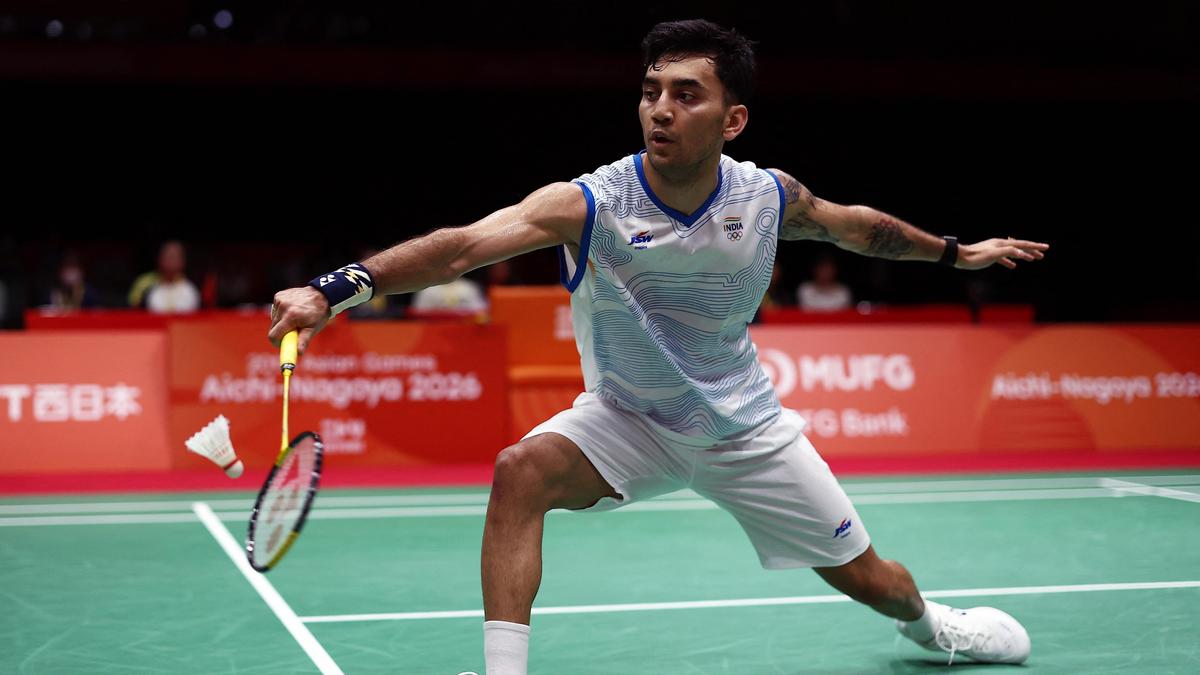
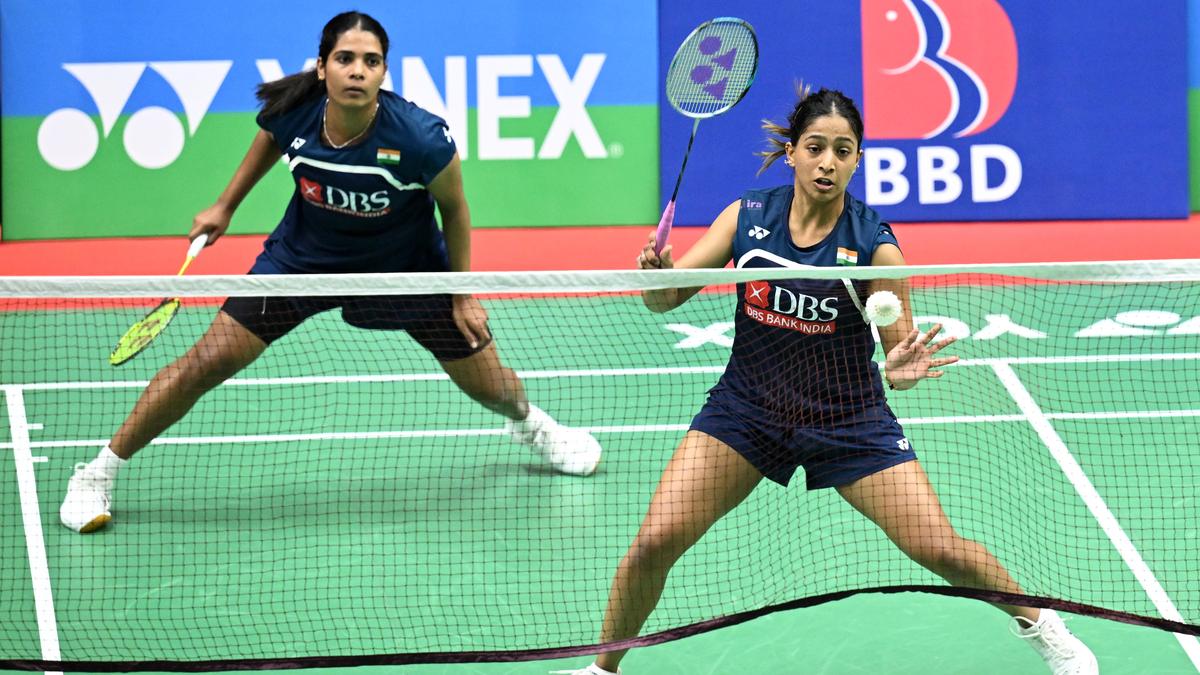
The access issue quickly became a talking point on social media, with fans on X asking why a tournament staged in India was not readily available to viewers at home. The concern was especially strong because the draw included numerous Indian players, giving supporters a direct interest in matches across several categories.
A board member of BBD UP Badminton Academy, the tournament venue, said the matter had been raised with both the BWF and BAI. Speaking anonymously, the representative told Sportstar that an email had been sent asking for the geo-block to be disabled.
The episode highlighted a practical challenge for sports audiences: viewers may know that a tournament is being streamed, yet still be unable to watch because of territory-based rights agreements. When the responsibilities of the rights-holder, national association and international federation are not clearly communicated, fans are left to piece together where coverage should be available.
Doordarshan’s role in Syed Modi International coverage
Doordarshan is listed as the official broadcast partner for the Syed Modi India International. Traditionally, its coverage has focused on the semifinals and finals rather than the full schedule of early-round matches. An organiser told Sportstar that this arrangement had been followed for many years.
That limited television window can leave a gap for fans who want to follow the tournament from the first round, particularly when Indian players are competing throughout the week. Online streaming can help fill that gap, but only if the platform is accessible in the country where the event is taking place.
For badminton supporters, the issue is not simply whether a final will be televised. Early-round matches can feature rising players, close contests and unexpected results that shape the later stages. A reliable, clearly signposted streaming option would make it easier for fans to stay connected to the competition and discover athletes beyond the most familiar names.
Badminton’s audience is growing, but revenue remains a challenge
Rajesh Kamal, a BAI official present at the venue, pointed to the financial realities facing badminton broadcasts in India. Speaking to Sportstar, he said the sport is popular in the country, but its revenue base remains well behind cricket and other major sports.
That gap can influence how much broadcasters are willing to invest, which matches receive television coverage and how streaming arrangements are structured. Cricket’s large sponsorship market and established media ecosystem offer a useful contrast: badminton may attract passionate audiences, but converting that interest into consistent broadcast income remains a challenge.
At the same time, the Syed Modi International’s strong Indian participation demonstrates why accessible coverage matters. A tournament featuring home players can build interest among existing fans and introduce new audiences to the sport. Consistent streams, clear information about where to watch and timely updates when access changes could all strengthen that connection.
What the streaming change means for fans
The removal of the geo-block from the quarterfinals gave Indian viewers a way to follow the tournament’s decisive matches on BWF TV. It was a positive development, but the confusion surrounding the rights arrangements points to the need for clearer communication before future events begin.
Organisers, national associations and the BWF can help by publishing a simple viewing guide that identifies the official broadcaster, streaming platform and territorial restrictions. If early-round coverage is unavailable on television, explaining whether matches will be streamed online—and by whom—would prevent fans from discovering access problems only after the action has started.
For a sport with a committed and expanding following in India, dependable coverage is more than a convenience. It helps supporters follow local players, gives emerging talent greater visibility and makes international tournaments easier to engage with. The Syed Modi India International 2026 ultimately became accessible to home viewers from the quarterfinal stage, but the first three days showed how quickly uncertainty over broadcast rights can interrupt that connection.