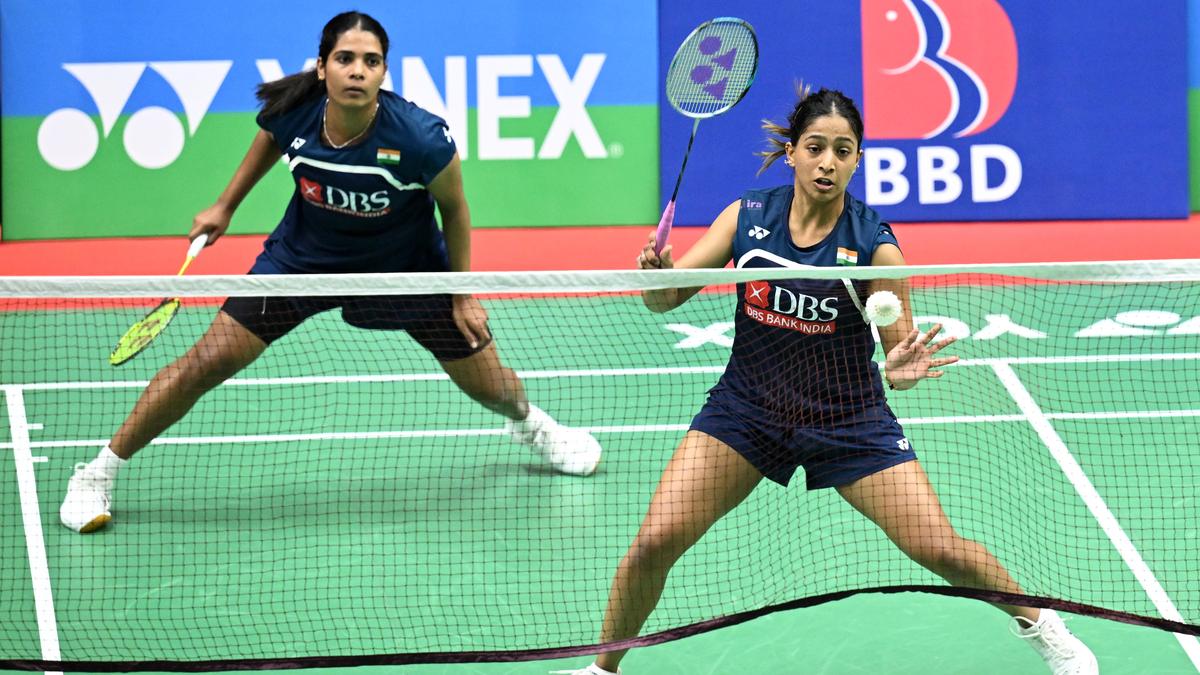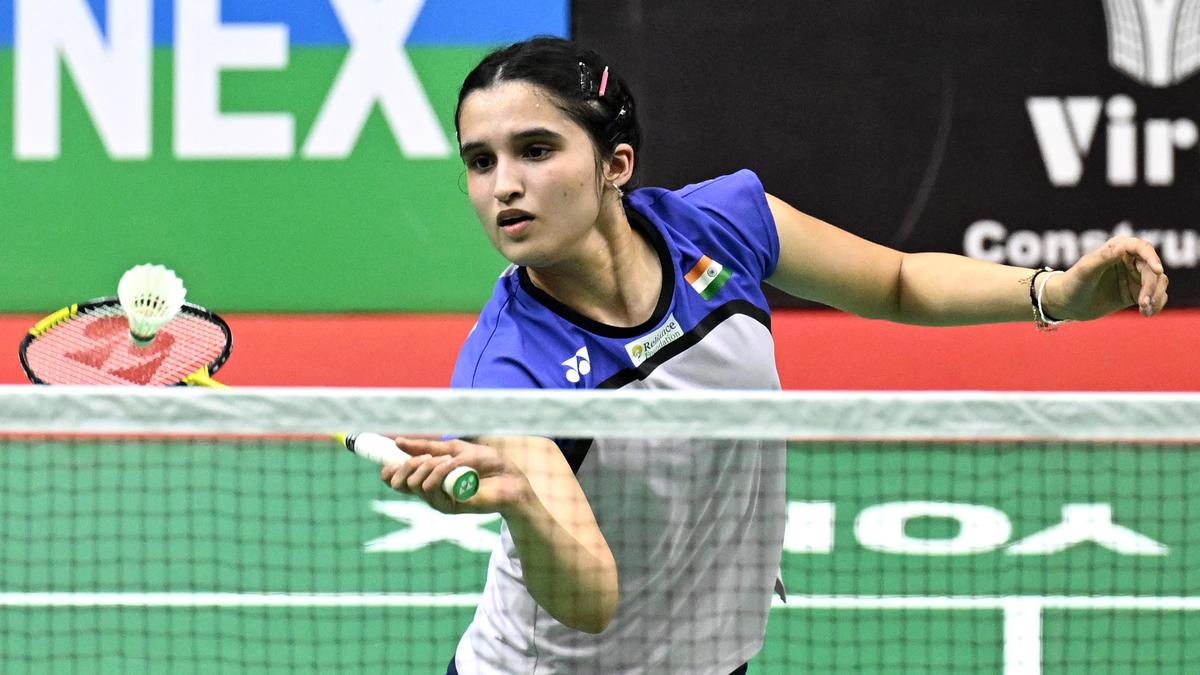
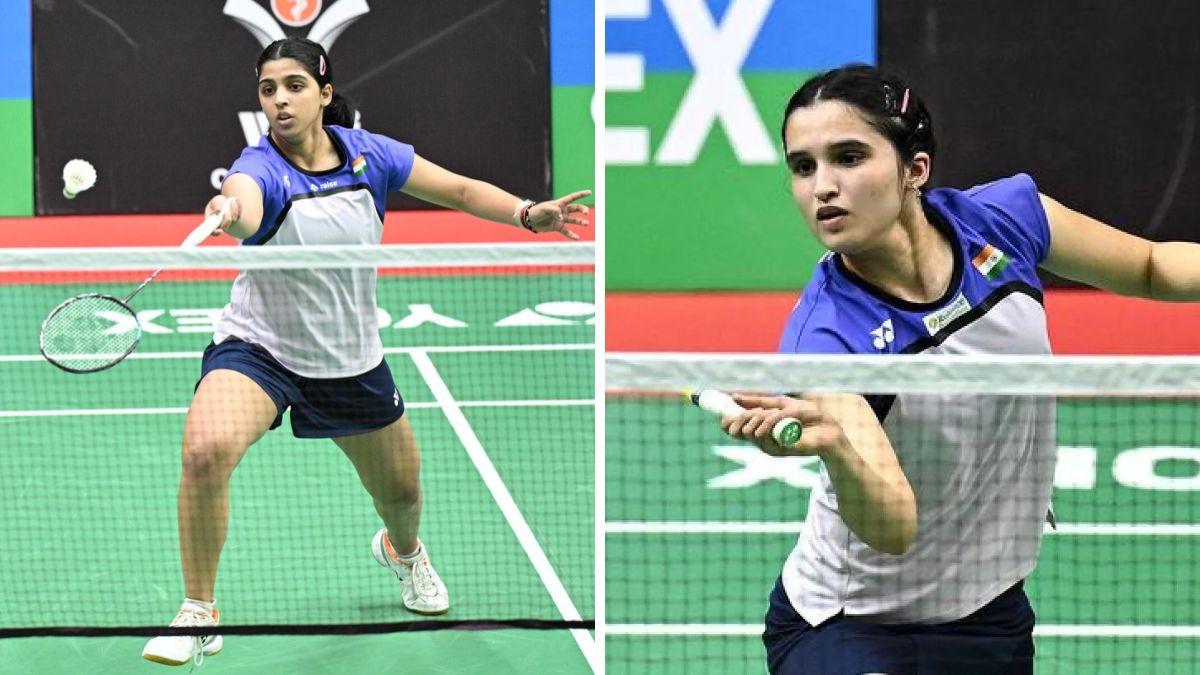

Tanvi Sharma and Unnati Hooda Set for All-Indian Semifinal at Syed Modi International 2026
India is guaranteed a place in the women’s singles final at the Syed Modi International 2026, as rising stars Tanvi Sharma and Unnati Hooda prepare to meet in a high-stakes badminton semifinal in Lucknow on Saturday. The all-Indian contest gives both players an opportunity to take a significant step forward on home soil—and offers local fans a compelling matchup between two of the country’s promising young talents.
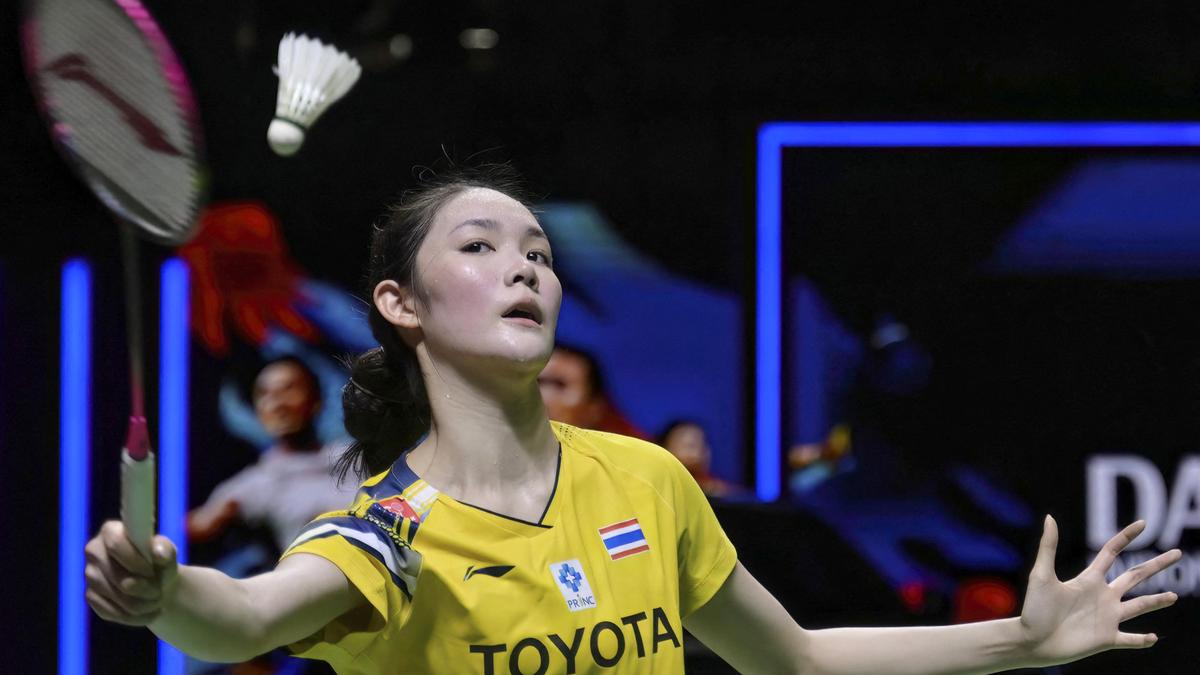
The winner will advance to the final, where she will face either Japan’s top seed Riko Gunji or Thailand’s Supanida Katethong. With an international title within reach, the semifinal is more than a contest for a place in the championship match: it is also a chance for one of India’s emerging players to make a statement against strong international opposition.
Tanvi Sharma vs Unnati Hooda: Match Details
- Event: Syed Modi International 2026, women’s singles semifinal
- Match: Tanvi Sharma vs Unnati Hooda
- Date: Saturday
- Scheduled start: Around 4:10 p.m. IST
- Court: Court 1
- Venue: BBD UP Badminton Academy Stadium, Lucknow
- Live streaming: BWF TV YouTube channel
The match is scheduled to begin at approximately 4:10 p.m. Indian Standard Time, although the start may shift depending on the length of earlier matches. Supporters following the badminton action online can watch the semifinal live on the BWF TV YouTube channel.
A Rematch With a Previous Junior Meeting
The two Indian players have faced each other once before at junior level. Hooda won that encounter in straight games, taking the match 21-11, 21-17. That result gives her a narrow historical edge, but it is only one reference point—and the senior-level semifinal presents a fresh challenge for both competitors.
Junior results can offer clues about a matchup, but players develop quickly as they gain experience, improve their physical conditioning and adapt their tactics. Sharma will have the opportunity to respond to the earlier defeat, while Hooda will need to show that she can carry her previous success into a different setting. With a final berth at stake, neither player can rely on past form alone.
What Could Decide the Semifinal?
In a close badminton match, control of the rallies often matters as much as power. Both players will look to establish a reliable rhythm, make the most of their service and return patterns, and avoid giving away easy points through unforced errors. The ability to change pace—moving between patient exchanges and sudden attacking shots—could be especially important.
Movement around the court will also be a key factor. A player who can defend well under pressure and recover quickly after being pulled into the corners may force her opponent to take greater risks. At the same time, sharp net play can create openings for a decisive attack, particularly when a rally has already pushed the opponent out of position.
Because the semifinal features two compatriots, familiarity may shape the tactical contest. Each player could have a clearer idea of the other’s preferred shots and patterns than she would against an unfamiliar opponent. That knowledge can make it harder to surprise an opponent, but it can also encourage both players to experiment with changes in placement, tempo and shot selection.
India Guaranteed a Finalist in Lucknow
The all-Indian semifinal ensures that the home crowd will have a player to support in the women’s singles final. It also highlights the depth of emerging badminton talent in India, where young competitors are increasingly gaining opportunities to test themselves on the international circuit. A strong performance at a home tournament can provide valuable confidence, particularly when the next match could be against a seeded player from Japan or Thailand.
The other semifinal brings together Gunji, the tournament’s top seed, and Katethong, an experienced Thai contender. Either potential opponent would present a different challenge in the final. Gunji’s top-seed status makes her a formidable prospect, while Katethong’s international experience could prove valuable in a title match. Sharma or Hooda will therefore need to balance the immediate task of winning the semifinal with the prospect of facing a high-quality opponent next.
Why the Match Matters
For Sharma and Hooda, reaching the last four is already a strong platform, but a place in the final would make the week more significant. The opportunity to compete for an international title can help a young player build momentum, gain experience in pressure situations and strengthen her standing in the women’s singles field.
Saturday’s contest should appeal to fans following Indian badminton as well as viewers looking for an evenly matched knockout encounter. The previous junior meeting adds an intriguing storyline, but the outcome will depend on how each player performs on the day: who manages the pressure, adapts to the rallies and makes the better decisions at crucial points.
With the match scheduled for around 4:10 p.m. IST on Court 1 at the BBD UP Badminton Academy Stadium, attention will turn to Lucknow for a semifinal that guarantees Indian representation in the Syed Modi International final. Fans unable to attend in person can follow the action through the BWF TV YouTube channel.