
Jagsher Singh Khangurra Wins India’s First Medal at the BWF Junior World Championships
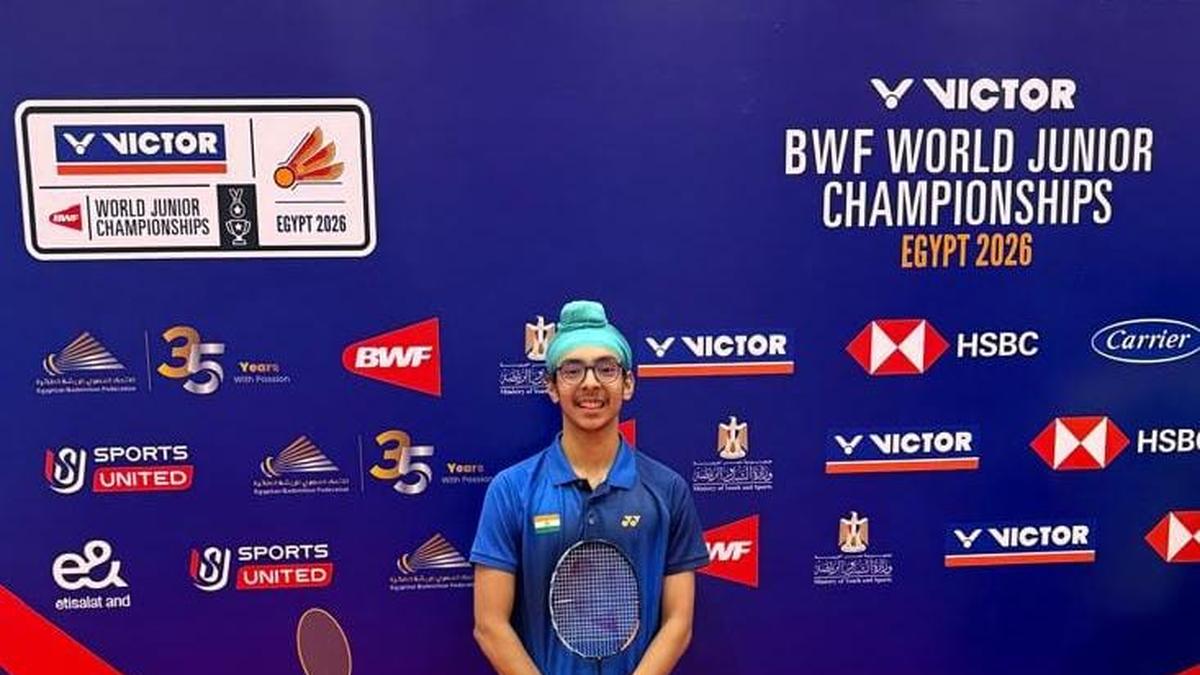
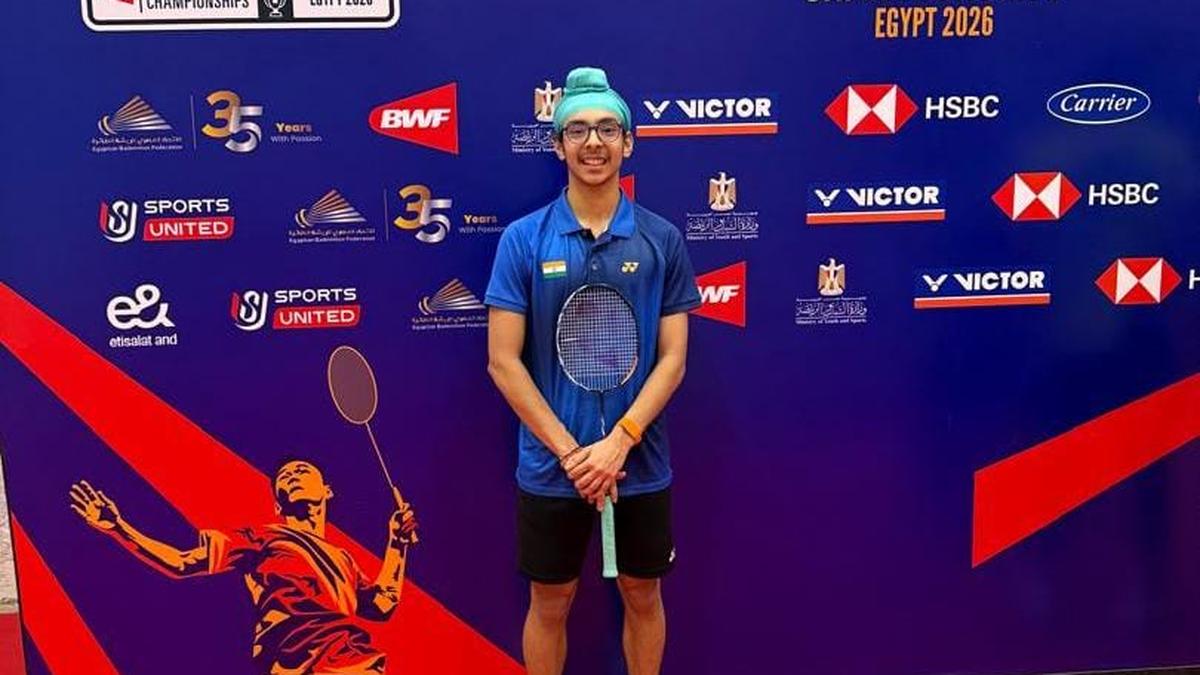
Jagsher Singh Khangurra has secured India’s first and only medal at this year’s BWF Junior World Championships, reaching the boys’ singles semi-finals after a demanding day of knockout badminton. The 15-year-old Indian now has a chance to turn his breakthrough run into a place in the final when he faces Indonesia’s Radithya Bayu Wardhana on Friday.
Khangurra booked his semi-final spot with two victories on Thursday, first defeating Malaysia’s Lee Qian Chong in the round of 16 before overcoming Chinese Taipei’s Yuan-Syue Jhuang in a hard-fought quarter-final. By advancing to the last four, he guaranteed himself a place on the championship podium and delivered a significant result for India’s junior badminton contingent.
Two Wins Put Khangurra on the Podium
The Indian began his busy day with a composed performance against Lee. Khangurra controlled the rallies and won in straight games, 15-9, 15-8, to move into the quarter-finals. The result set up a much tougher test against Jhuang, whose attacking play quickly put the young Indian under pressure.
Jhuang took the opening game 15-6, using powerful smashes to seize control. Rather than allowing the early setback to define the match, Khangurra regrouped and fought back. He edged a close second game 17-15, then maintained his composure in the decider to complete a 6-15, 17-15, 15-12 victory.
The comeback was a test of both skill and resilience. In a knockout match, a player can have little time to recover from a one-sided opening game, particularly against an opponent with strong attacking weapons. Khangurra’s response showed his ability to adjust, stay engaged in long rallies and compete under pressure when the margin for error was small.
“Winning a Medal for India Is Really Awesome”
After securing his place in the semi-finals, Khangurra described the achievement as difficult to put into words. “Words can’t express the feeling. Winning a medal for India is really awesome,” he said.
The medal represents the culmination of a long-held ambition. Khangurra said he had dreamed of competing at the World Junior Championships for five to six years. Having now guaranteed himself a podium finish, he is already looking beyond the milestone. “Now that I have secured a medal, I am hoping for gold,” he said.
That ambition reflects the mindset required to keep progressing at a major tournament. Reaching the semi-finals is a landmark result, but the competition is not over. His upcoming match against Wardhana will give him the opportunity to pursue a place in the final and continue what has already become a memorable campaign for Indian badminton.
Six Hours of Practice and a Focus on Improvement
Khangurra credits regular training for helping him develop his game. He practises for around six hours a day, work that he says has improved the placement of his strokes. In badminton, accurate placement can be just as important as speed: directing the shuttle into open space can force an opponent to move, disrupt their rhythm and create an opportunity to attack.
Even after reaching the World Junior Championships semi-finals, the teenager is clear about the areas he wants to strengthen. He hopes to improve his power shots, adding another dimension to a game that already benefits from carefully placed strokes. Developing greater attacking power could help him finish rallies more decisively against opponents who are able to defend well.
That willingness to identify areas for growth is a notable part of Khangurra’s approach. A strong tournament result can bring attention, but sustained progress depends on continuing to refine technique, fitness and decision-making. His comments suggest that he sees this medal not as an endpoint, but as encouragement to keep working.
Motivation Helped Turn the Quarter-Final Around
Reflecting on his match against Jhuang, Khangurra acknowledged the challenge posed by his opponent’s attack. “His smashes are really good. He outplayed me in the first set,” he said. The turning point came as he worked to lift his focus and find a reason to keep fighting through the difficult contest.
“In the second set I motivated myself by saying, ‘I have to play for India and for my parents,’” Khangurra explained. That personal reminder helped him reset after the opening-game loss. His comeback underlines how mental strength can influence a badminton match, especially when a player must recover quickly and maintain belief while trailing.
At just 15, Khangurra is already learning to manage the emotional demands of high-level competition. Staying patient after losing a game, adapting to an opponent’s strengths and committing to the next point are essential skills in the sport. His quarter-final performance offered a clear example of those qualities in action.
Learning from Lakshya Sen
Khangurra trains at the same academy as Indian badminton star Lakshya Sen, and he says he learns by observing Sen’s shuttle placement. Watching an experienced player can offer young athletes practical lessons in how to control rallies, vary their shots and make opponents cover the full court.
Placement is a defining feature of elite badminton. A well-directed shot can pull an opponent away from the centre, open up space on the opposite side and create a chance to attack. For a developing player like Khangurra, studying those patterns can complement hours of court practice and help turn technical training into smarter match play.
A Breakthrough Moment for Indian Junior Badminton
Khangurra’s run has given India a major highlight at this year’s BWF Junior World Championships. His two Thursday victories—one a straight-games win and the other a determined comeback—showcase both his developing skill and his competitive character. The guaranteed medal is already a significant achievement, while the semi-final against Wardhana offers a further test of his progress.
Whatever the outcome on Friday, Khangurra has made the most of his opportunity on the world junior stage. A long-standing dream has become a podium finish, and the 15-year-old is now chasing an even bigger prize. For Indian badminton followers, his performance offers a promising glimpse of a young player with clear goals, a strong work ethic and the confidence to fight back when a match turns against him.