
Jagsher Singh Khangurra Secures India a Medal at the 2026 BWF World Junior Championships
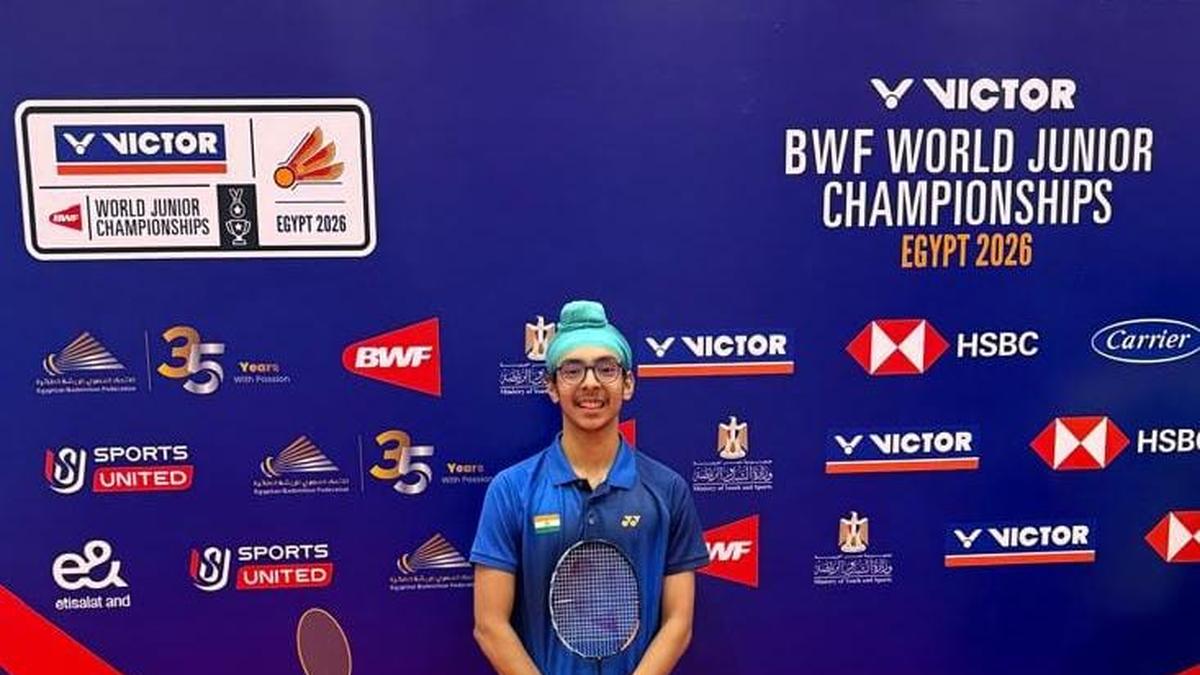
India’s Jagsher Singh Khangurra has guaranteed the country a medal at the BWF World Junior Championships 2026, reaching the boys’ singles semifinals in Cairo on Thursday. The 14th-seeded player advanced with a composed run through the knockout rounds, giving India a significant result at one of badminton’s premier international events for emerging talent.
Khangurra first defeated Malaysia’s Lee Qian Chong in the round of 16, winning 15-9, 15-8. He then overcame Chinese Taipei’s Yuan-Syue Jhuang in the quarterfinals to book his place among the last four. Under the tournament’s format, players who reach the semifinals are assured of at least a bronze medal, making Khangurra’s progress a landmark achievement for the young Indian shuttler.
Confident performances in the knockout rounds
The scoreline against Lee suggested a controlled performance from Khangurra, who kept his opponent from building sustained momentum across the two games. In junior badminton, where matches can turn quickly as players adjust to pressure and pace, maintaining focus through each rally is essential. Khangurra’s straight-games victory set up a tougher quarterfinal test against Jhuang, but the Indian rose to the occasion and secured his place in the semifinals.
His run also highlights the depth of India’s junior badminton programme. Strong results at the World Junior Championships can provide young players with valuable experience against international opposition and a platform to develop as they move towards senior competition. For Khangurra, the medal is a reward for a successful campaign so far—and an opportunity to pursue an even higher finish.
Shaina Manimuthu reaches the girls’ singles quarterfinals
India also had a promising run in the girls’ singles through Shaina Manimuthu. She advanced to the quarterfinals after defeating Japan’s Yurika Nagafuchi 15-13, 15-12. The closely contested first game required Manimuthu to stay composed in the closing stages, while her two-game win ensured she moved into the final eight.
Her campaign ended in the quarterfinals, where China’s Yin Yi Qing won 15-5, 15-8. The result brought Manimuthu’s individual challenge to a close, but her run to the last eight was a notable contribution to India’s showing in Cairo. Reaching that stage at a world-level junior event offers important experience, particularly against opponents from countries with established badminton development systems.
Indian players exit in the round of 16
Two other Indian players in the girls’ singles were eliminated in the round of 16. Tanvi Patri went down to Japan’s Nijika Kamata, losing 13-15, 9-15. The opening game was close, but Kamata pulled clear in the second to secure the match. Tanvi Reddy Andluri also exited at the same stage, falling 11-15, 6-15 to Hong Kong’s Ip Sum Yau.
In the boys’ singles, Nishchal Chand and Dev Ruparelia both faced challenging opponents. Chand lost 10-15, 15-17 to Indonesia’s Fardhan Rainanda Joe. The second game was particularly tight, with Joe edging the contest to prevent the match from going to a decider. Ruparelia took his match against Hong Kong’s Chan Yee Hei to three games, but ultimately lost 15-17, 15-11, 10-15.
Ruparelia’s scoreline reflected a fiercely contested encounter. After narrowly dropping the first game, he responded by taking the second, but Chan regained control in the deciding game. Although both Indian players were unable to advance, their matches provided valuable tests against strong international competition.
India’s doubles campaign concludes
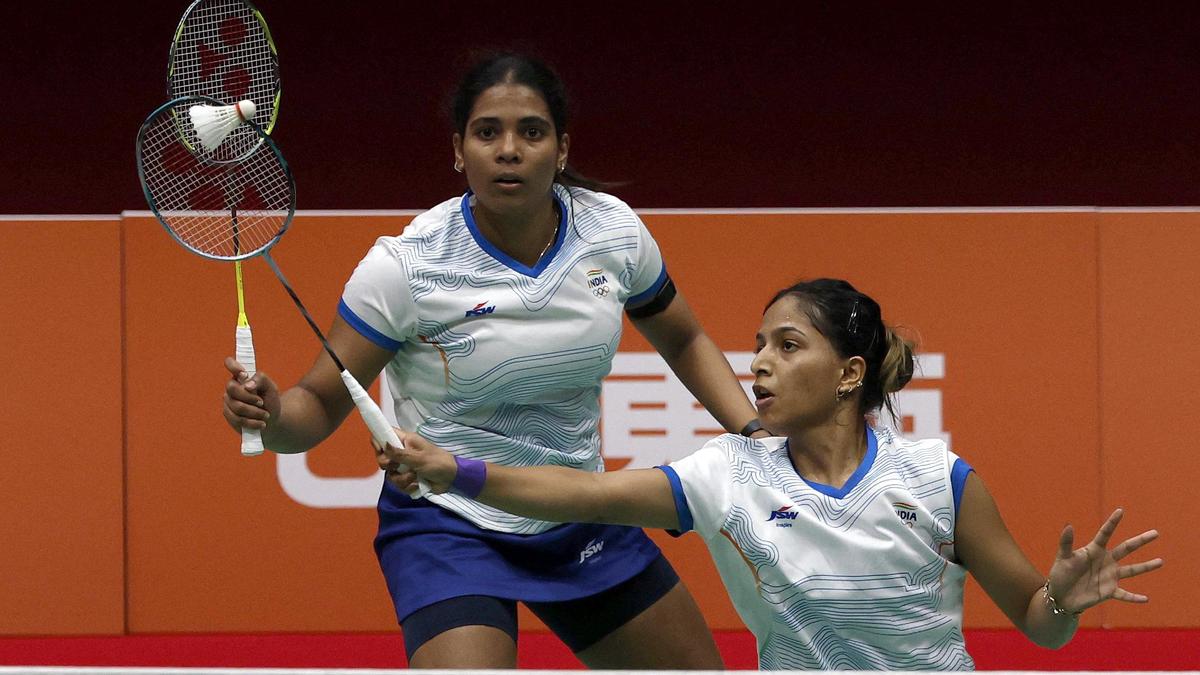
India’s challenge in the boys’ doubles also ended in the round of 16. Yogansh Singh and Aathish Sreenivas P V were defeated 10-15, 12-15 by Japan’s Mahiro Oku and Masato Yamashiro. The Indian pair remained within reach in the second game but could not force a decider, bringing their tournament run to an end.
Doubles badminton demands close coordination, quick reactions and clear communication, with partners required to cover the court as a unit. Matches against experienced international pairs can be especially demanding at a world championship, where small differences in positioning and decision-making often shape the outcome.
A milestone for Indian junior badminton
While several Indian players saw their campaigns end in the knockout rounds, Khangurra’s semifinal qualification ensures that India will leave Cairo with a medal from the boys’ singles event. His achievement gives the team a focal point as the championships continue and adds to the growing profile of India’s junior badminton talent.
The World Junior Championships are an important stage for identifying future stars, but success at this level is about more than medals. Each match exposes young athletes to different playing styles, tactical demands and high-pressure situations. For Khangurra, the immediate focus will be on making the most of his semifinal opportunity. For the wider Indian contingent, the experience gained in Cairo can help shape future performances on the international badminton circuit.