
Clásico Referee Debate Intensifies After Claims About Mourinho’s Objections
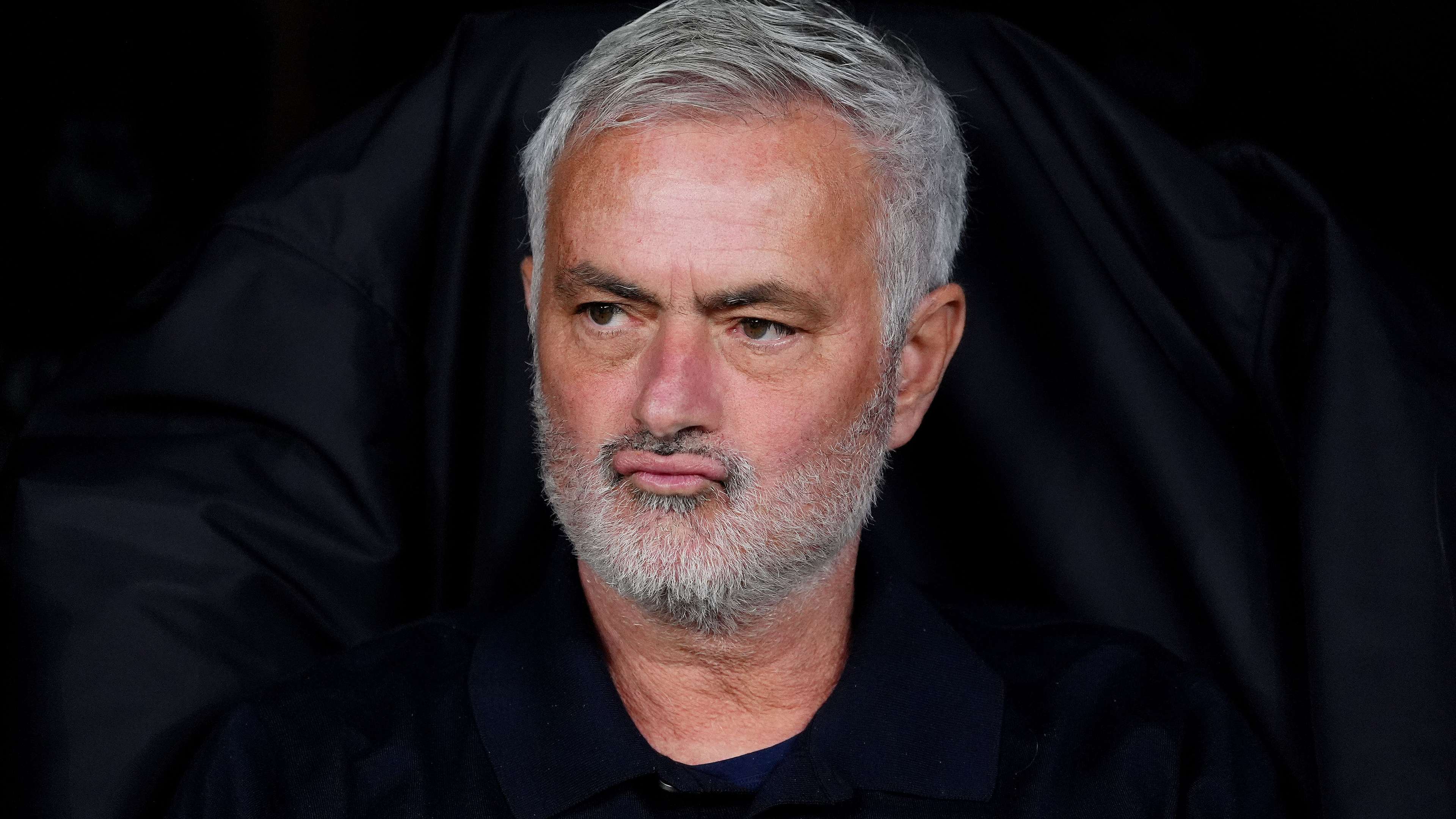
The build-up to the next Barcelona–Real Madrid Clásico has already produced a major talking point: who will be appointed to referee Spanish football’s most closely watched fixture? Spanish journalist Roberto Gómez says Hernández Hernández, reportedly considered an early favourite for the assignment, is no longer expected to take charge. Gómez has linked the reported change to concerns that José Mourinho could object to the appointment.
The claims have added another layer of tension to a match that attracts attention well beyond Spain. Referee appointments, VAR decisions and controversial calls are routinely debated before and after a Clásico, making even an unconfirmed name enough to trigger speculation. However, Gómez did not identify the referee who will ultimately be selected, and his account has not, by itself, confirmed the reason for any change.
What Roberto Gómez said about the referee selection
Speaking on the “La Tribu” programme on Radio Marca, Gómez said the referees’ committee had initially been leaning towards Hernández Hernández. He suggested the potential appointment became a sensitive subject after the referee’s name emerged before the match, prompting discussion about why the information had surfaced so early.
Presenter Raúl Varela asked Gómez directly whether the decision to move away from Hernández Hernández was connected to Mourinho’s objections. Gómez answered in the affirmative, saying the Portuguese coach had twice expressed surprise that the referee’s identity was being discussed well ahead of the fixture.
According to Gómez, officials wanted a referee with experience at the World Cup, and Hernández Hernández had been prominent in their thinking. But, he argued, the prospect of renewed complaints influenced the situation. “What they don’t want is to give Mourinho any pretext,” Gómez said, describing the atmosphere around refereeing decisions as especially delicate before a high-profile game.
Those comments should be treated as a reported explanation rather than an official account of the committee’s decision. No final appointment was named in the discussion. Gómez mentioned Alberola Rojas and Sánchez Martínez as possible alternatives, but did not confirm either as the leading candidate.
Why the Clásico appointment attracts such scrutiny
The referee for Barcelona versus Real Madrid is rarely viewed as a routine appointment. The match can influence the LaLiga title race, shape the narrative around both clubs and generate intense scrutiny of every major decision. A booking, penalty, offside call or VAR review may be replayed and debated for days, particularly if it appears to affect the result.
That pressure makes the timing of an appointment important as well as the choice itself. When a possible referee is identified in advance, supporters and commentators may begin assessing the official’s past decisions involving either club. Such discussion can create expectations before the match has even begun, placing the referee under additional attention.
At the same time, a referee’s previous record does not automatically predict how a future game will be handled. Officials are expected to apply the laws of the game to the incidents in front of them, while clubs and supporters may interpret the same decisions through very different perspectives. That gap between expectation and interpretation is one reason refereeing remains a recurring feature of Clásico coverage.
Real Madrid–Sevilla controversy returns to the conversation
Gómez also discussed the refereeing dispute following Real Madrid’s meeting with Sevilla. The debate included a planned discussion between Fran Soto and representatives of the Andalusian club, who wanted to address decisions they considered controversial at the Santiago Bernabéu.
Gómez questioned how much such a meeting could accomplish if it did not lead to clearer information. He rejected the idea that the head of the referees’ committee should personally defend every call, but argued that clubs should be able to review relevant footage and receive explanations of the incidents that caused the most concern.
That distinction is important. A review process does not necessarily mean that every club will agree with the referee or that a decision can be changed after the final whistle. Its value may instead lie in explaining how the officials interpreted an incident, what information VAR considered and why a particular outcome followed. Clear communication can help reduce speculation, even when it cannot remove disagreement.
Arda Güler’s dismissal and the impact of key decisions
One incident highlighted by Gómez was Arda Güler’s sending-off. He noted that the dismissal could have had a substantially different effect if it had occurred while the score was still 0–0 in the 25th minute. An early red card can reshape a match by forcing a team to adjust its formation, defend with fewer players and reconsider its attacking plans.
That does not mean a single refereeing decision explains an entire result. Gómez resisted reducing a team’s performance or outcome to officiating alone. Football matches are shaped by many factors, including tactical choices, individual mistakes, finishing, substitutions and the ability to respond to changing circumstances. Refereeing can be decisive without being the only explanation.
The point also illustrates why timing matters when supporters assess a decision. The same dismissal can produce different consequences depending on the score, the match clock and the teams’ tactical positions. Evaluating an incident therefore requires more than looking at the final result; it also means considering what happened before and after the call.
Broadcast angles and the limits of live coverage
Gómez defended television broadcast directors amid criticism over which incidents are shown during a match. He explained that the primary responsibility of a live broadcast is to follow the ball and keep viewers connected to the action. As a result, cameras may not always be focused on an off-the-ball incident when it occurs.
This is a practical limitation of live sports production. A clash away from the play may only become important after the referee intervenes, and the main camera may be tracking an attack at that moment. Replays can provide additional views later, but those angles depend on what cameras captured and how quickly the production team can present them.
For fans, the debate over coverage is closely tied to the wider demand for transparency. More footage can help viewers understand a decision, but no broadcast can guarantee that every relevant moment will be captured from the ideal angle. The distinction between what the television audience sees and what the officials observe on the pitch can therefore become another source of controversy.
Clásico prediction: uncertainty remains part of the story
For now, the referee discussion remains unresolved, and any prediction about the eventual appointment should be treated cautiously. Alberola Rojas and Sánchez Martínez have been mentioned as possibilities by Gómez, but neither has been confirmed. Until an official announcement is made, the clearest conclusion is that the selection process has become a talking point in its own right.
The wider lesson is that the Clásico’s drama begins long before kick-off. Barcelona and Real Madrid will ultimately be judged by their football, tactics and performance on the day, but the referee will operate under extraordinary scrutiny. A transparent appointment process, clear explanations of major decisions and careful separation of confirmed facts from speculation could help keep the focus on the contest itself.