
Barcelona Players Put in Extra Work Before High-Stakes Clásico
Barcelona’s preparations for the upcoming Clásico have continued even on a day when the squad was officially given time off. After returning from their Champions League trip to Paris in the early hours of the morning, Hansi Flick’s players were scheduled to rest on Thursday. Yet 10 members of the squad still chose to visit the Ciutat Esportiva Joan Gamper, underlining the work ethic taking hold at the club during a demanding stretch of the season.
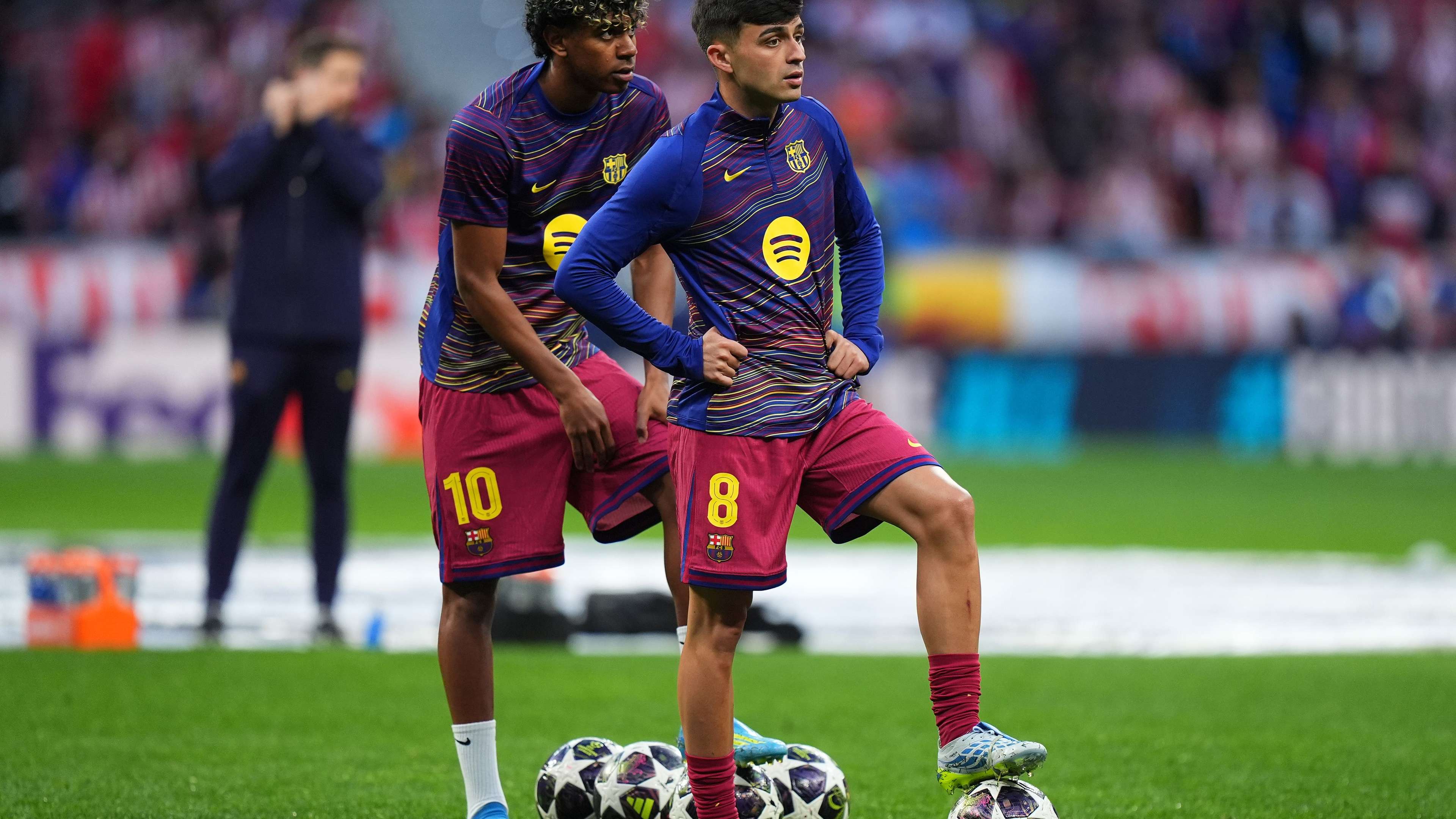
The voluntary arrivals included Lamine Yamal, Pedri, Fermín López, Gerard Martín, Xavi Espart and goalkeeper Wojciech Szczęsny. Several injured players were also at the training complex to continue their recovery programmes, among them Roony Bardghji, Andreas Christensen, Jules Koundé, Eric García and Dani Olmo. Their presence offered a glimpse of a group determined to make the most of every available opportunity before facing Real Madrid.
Flick balances recovery with preparation
Flick’s decision to grant a rest day followed an exhausting schedule. Barcelona’s players arrived home from Paris at around 3:30 a.m. after their Champions League encounter with Paris Saint-Germain. A recovery session had already taken place on Wednesday, leaving the coaching staff to weigh the benefits of further training against the need for proper rest.
With the Clásico approaching on Sunday, the German coach opted to give the squad a break before two final collective sessions on Friday and Saturday. That approach reflects a basic but important part of elite football: preparation is not always about doing more. After travel, intense competition and limited recovery time, rest can help players regain energy and reduce the risk of fatigue before a major fixture.
Even so, some players preferred to complete individual work at the club’s facilities. Their efforts were not a replacement for the team’s scheduled sessions, but a sign of personal commitment at a pivotal point in the campaign. In a fixture where small details can shape the result, maintaining fitness, sharpening routines and following rehabilitation plans can all matter.
Szczęsny’s consistency stands out
Szczęsny was singled out by Catalan newspaper Sport as a regular presence at the training ground, including on days when attendance is optional. The Polish goalkeeper has a relaxed and often humorous public persona, but his approach to preparation is serious. Whether completing gym work or simply reporting to the facilities, he is said to make a point of staying involved in the daily routine.
That consistency can be valuable in a squad where players face different demands. Goalkeepers, for example, need to maintain strength, mobility and sharpness even when they are not taking part in a full team session. Szczęsny’s Thursday visit was another example of how routine habits can support performance over a long season.
Injured players continue their recovery
The presence of Barcelona’s injured players was also notable. Bardghji, Christensen, Eric García and Dani Olmo were among those continuing treatment and rehabilitation work. Their programmes are likely to involve different stages of recovery, depending on the nature and severity of each issue. Returning too soon can carry risks, so medical staff must balance the players’ eagerness to be available with a careful assessment of their condition.
Koundé’s fitness is particularly relevant ahead of the meeting with Real Madrid. The French defender is working to be ready, but his availability and potential role remain uncertain. Barcelona will need to assess his progress before deciding whether he can be included in the matchday squad. His situation illustrates the fine margins involved in preparing for a major football fixture: a player may be improving, but that does not automatically mean he is ready for the intensity of a Clásico.
Xavi Espart builds on a breakthrough performance
One of the most encouraging names among Thursday’s visitors was young defender Xavi Espart. The Maresme-born prospect recently delivered an impressive performance against Paris Saint-Germain, scoring at the Parc des Princes and drawing attention to his potential. For a young player, producing a significant moment on a major European stage can be a confidence boost—but continuing to work afterwards is just as important.
Espart’s decision to attend on a rest day reflects the kind of “invisible work” that often contributes to a player’s development. Extra conditioning, recovery exercises and technical practice may not appear in match highlights, but they can help young footballers adapt to the physical and tactical demands of senior competition. His progress will be watched closely as Barcelona continue to develop options within the squad.
Pedri, Fermín and Gerard Martín keep their standards high
Pedri also chose to work at the training complex after another strong display in Paris. The midfielder’s ability to influence games depends not only on his vision and control of possession, but also on staying physically prepared for a packed schedule. Fermín López and Gerard Martín were among the other players who used the day to focus on their fitness.
For Gerard Martín, the extra work comes as he continues to rediscover his best form. Fermín, meanwhile, brings energy and intensity to Barcelona’s midfield options. Their individual sessions may vary, but the shared aim is clear: to arrive at the weekend in the strongest possible condition.
Clásico prediction: fitness and focus could prove decisive
Barcelona’s choice to rest the whole squad on Thursday was part of a measured plan, not a sign of reduced ambition. The players who attended voluntarily added individual work to that plan, while those who stayed away could use the time to recover. The challenge for Flick is to bring both approaches together and ensure the team is fresh, focused and tactically prepared for Real Madrid.
Any Clásico prediction remains difficult, given the quality and pressure surrounding both sides. Barcelona’s home advantage and the momentum of players such as Pedri and Espart could be encouraging factors, while the fitness of Koundé and the wider injury picture may influence Flick’s selection. Ultimately, the result may depend on execution: controlling key areas of the pitch, managing transitions and making the most of chances.
Barcelona have two collective training sessions scheduled before Sunday’s showdown. Thursday’s voluntary turnout suggests that Flick’s standards are being embraced by much of the squad. Whether that extra commitment translates into a decisive advantage remains to be seen, but the message from the training ground is unmistakable: the players are already treating the Clásico as a priority.