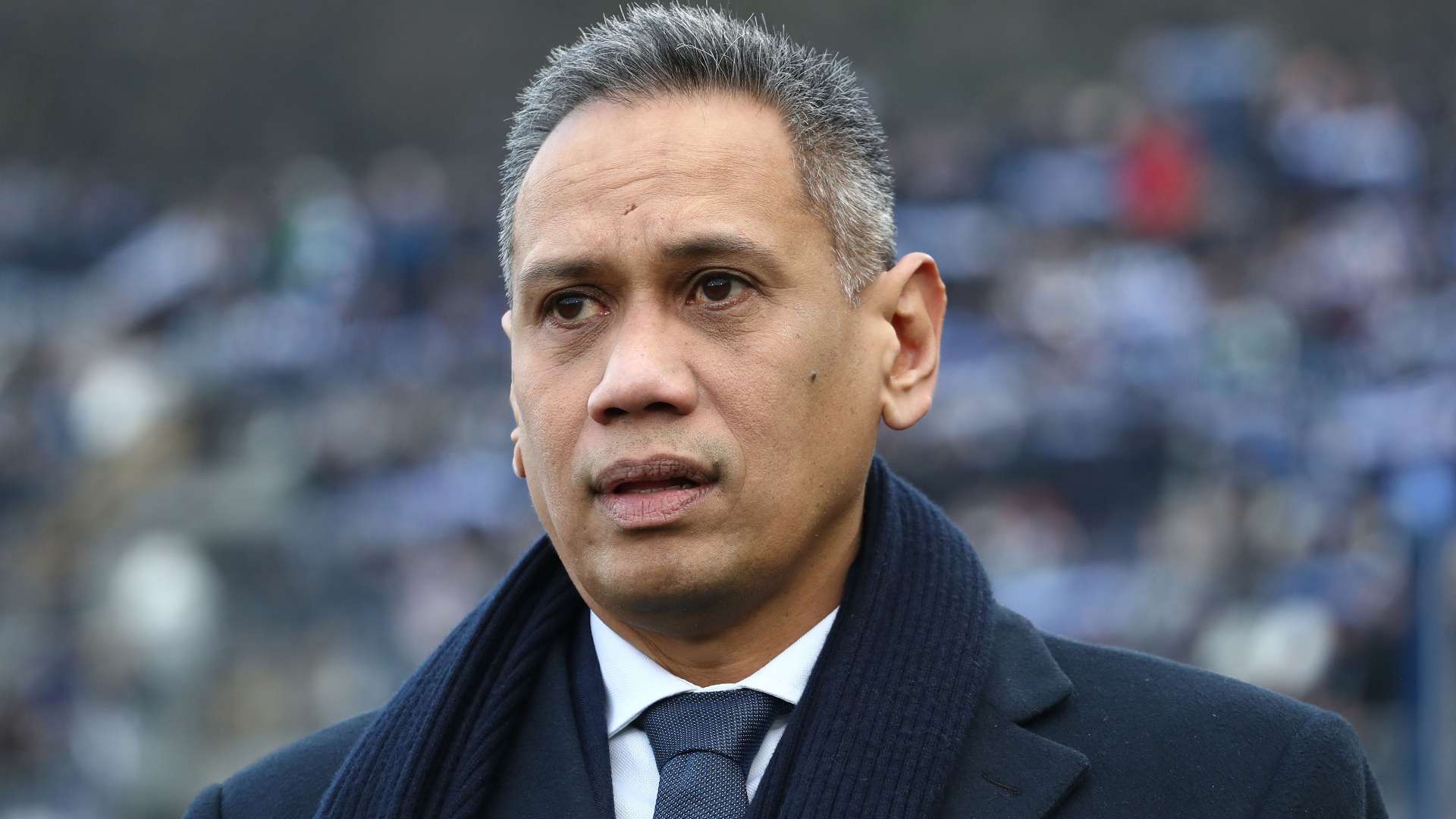

Barcelona Adviser Enric Masip Accuses Real Madrid of Fueling Clasico Tension
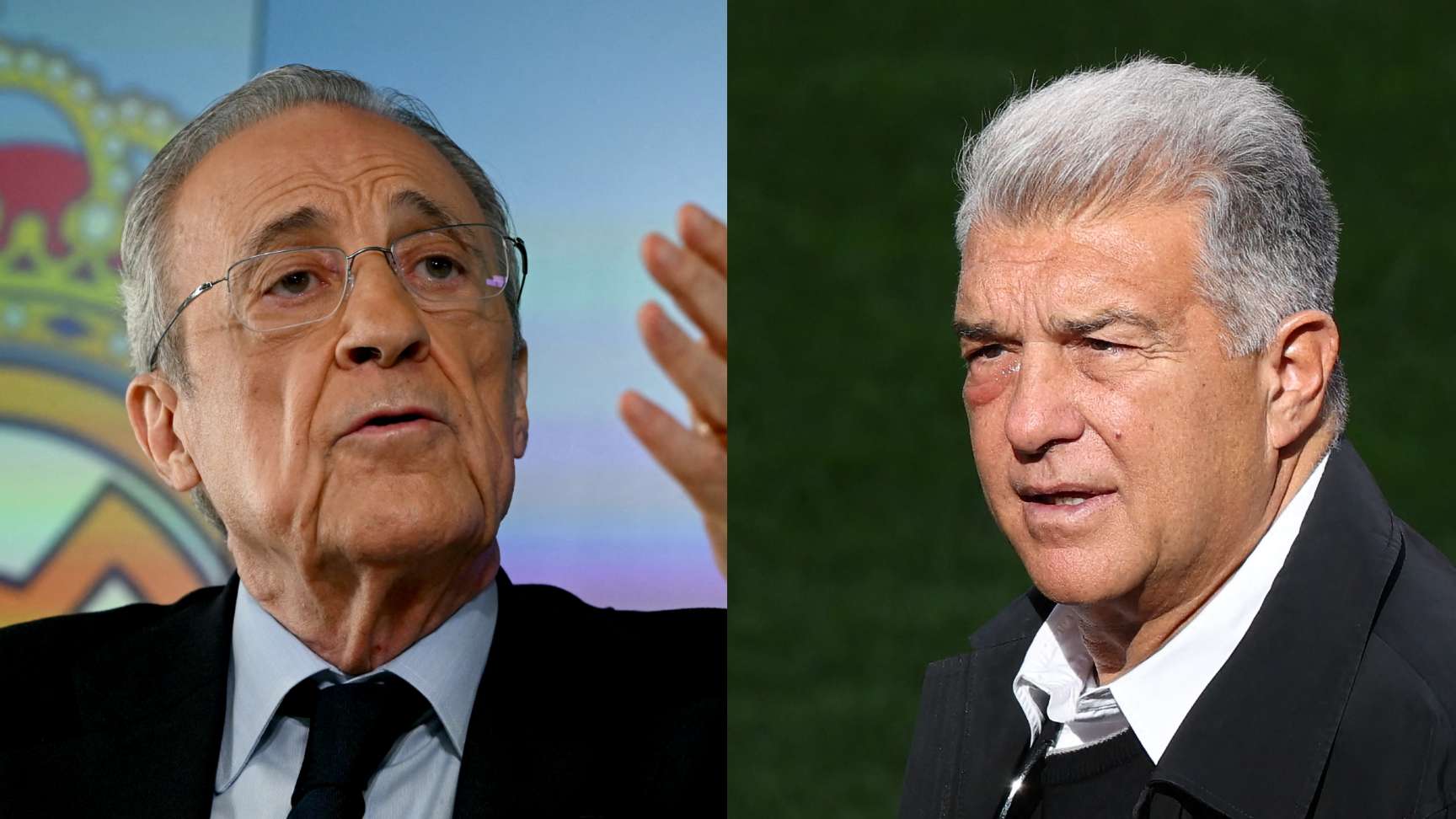
With Barcelona and Real Madrid preparing for another high-profile Clasico, tensions have risen beyond the pitch. Enric Masip, an adviser to Barcelona president Joan Laporta, has sharply criticized Real Madrid for repeatedly invoking the Negreira case, arguing that the accusations are damaging Barcelona’s reputation and casting suspicion over Spanish football as a whole.
According to Marca, Masip said Madrid’s public comments amount to an effort to discredit Barcelona ahead of the teams’ meeting, scheduled for October 26, 2026. His remarks add another layer of controversy to a fixture already defined by sporting pressure, intense media attention and a long history of rivalry. Fans looking for a Clasico prediction will be weighing form and tactics, but the growing debate around refereeing and club relations is also shaping the buildup.
Masip says Negreira references are harming Spanish football
The Negreira case concerns payments made by Barcelona to companies connected to José María Enríquez Negreira, a former senior Spanish refereeing official. The matter has prompted investigations and sustained public debate. Masip, however, insisted that no wrongdoing by Barcelona has been proven, and rejected what he described as repeated attempts to present allegations as established facts.
“Over three and a half years, nothing has been proven, and nothing will be proven,” Masip said, according to the report. He maintained that Barcelona’s success came from its playing style and performances, rather than any influence over officials.
Masip accused Real Madrid of turning the issue into a recurring public campaign. In his view, the criticism does not affect Barcelona alone: it risks undermining confidence in La Liga, the Spanish Football Federation, referees and the wider competition. He argued that when clubs repeatedly question the integrity of the system, the consequences extend across the sport.
“They are attacking and mistreating the entire competition, all the clubs, and the referees,” he said. Masip also claimed that Madrid’s approach suggests a lack of respect for other teams, even though the dispute is often framed as a matter involving Barcelona specifically.
Claims of distraction and media pressure
Masip further suggested that Madrid’s focus on Negreira serves as a distraction from the club’s own challenges. He criticized the use of television discussions and media reports to frame accusations, saying that commentary can sometimes be presented as though it were a formal verdict.
His argument reflects a broader concern in modern football: public debate can move faster than legal or disciplinary processes. Club statements, pundit discussions and viral video clips often reach millions of supporters before all relevant evidence has been assessed. That environment can intensify suspicion, particularly when controversial decisions occur in matches involving title contenders.
Masip said clubs should address disappointing results by improving their performances rather than directing blame at opponents or officials. He also expressed confidence in referees’ professionalism, calling it unreasonable to assume that officials would be swayed by pressure in the Clasico.
That confidence will be closely watched. Refereeing decisions are routinely scrutinized in major matches, and the Clasico’s global audience means even a marginal call can dominate post-match discussion. Still, Masip’s comments underline Barcelona’s position that officials should be allowed to work without being treated as part of a wider conspiracy.
Masip contrasts Mourinho’s comments with Flick’s approach
The Barcelona adviser also addressed comments associated with José Mourinho, criticizing what he described as a confrontational style of public criticism. Masip contrasted Mourinho’s press conferences with those of Barcelona coach Hansi Flick, praising Flick for speaking respectfully about opponents, players and rival managers, even when he believes his team has been treated unfairly.
“These are Barcelona’s values,” Masip said, presenting restraint and respect as part of the club’s identity. He argued that criticism should not automatically become accusation, and suggested that Madrid’s approach too often places responsibility for setbacks on someone else.
Such comparisons are familiar in the buildup to major football fixtures, where managers’ words can become part of the contest. A coach’s comments may influence headlines, shape fan expectations and add pressure to officials. Whether that rhetoric has any effect on the match itself is difficult to measure, but it can make the atmosphere more charged before kickoff.
Arda Güler incident adds to the controversy
Masip also referred to a disputed incident involving Real Madrid midfielder Arda Güler, describing the images as unclear while arguing that the action appeared to involve an elbow. He said such contact could warrant a red card, and questioned why the episode did not receive the same sustained attention as other controversial moments.
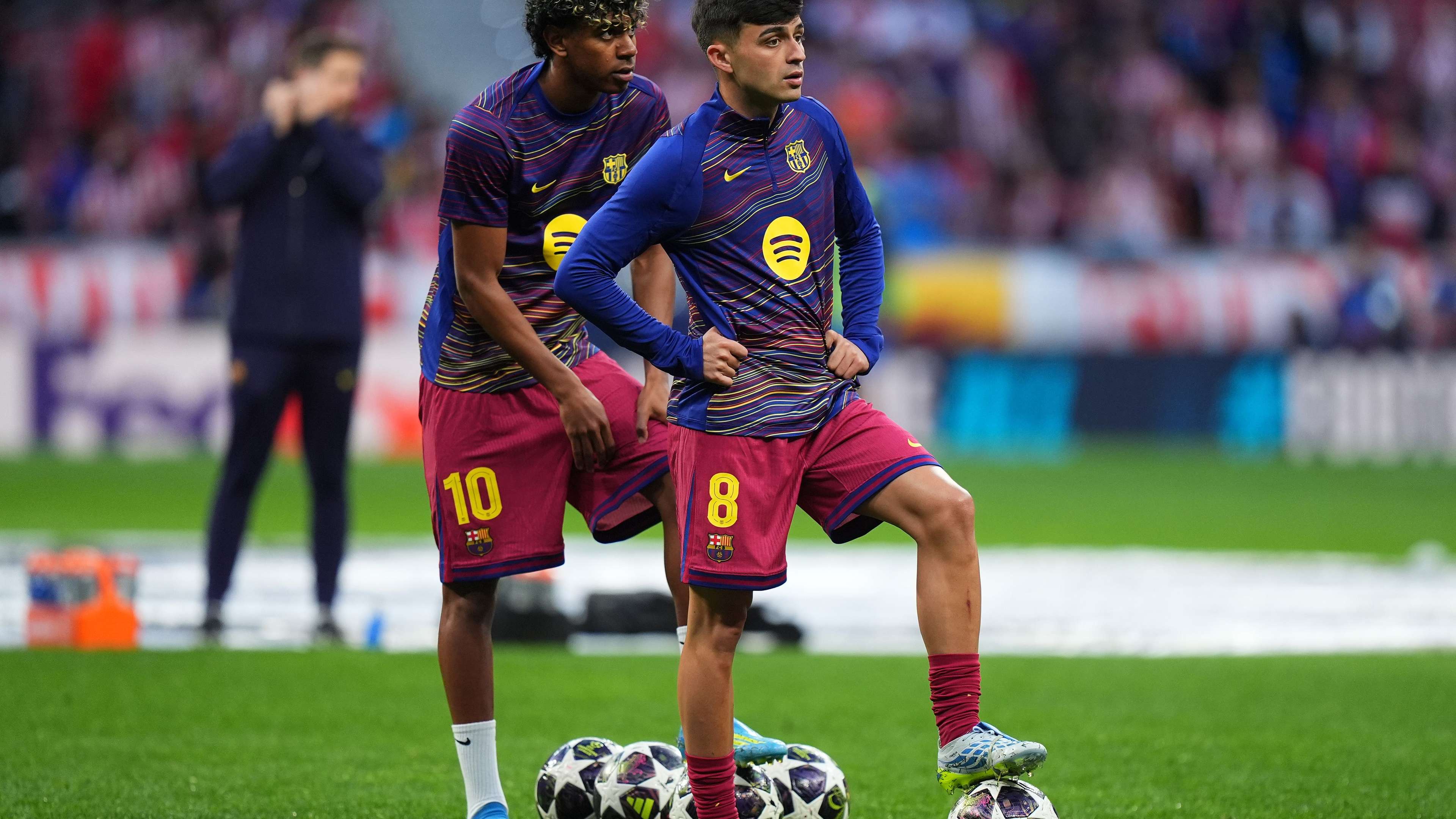
To support his point, Masip recalled past incidents involving Barcelona players, including disputed goals associated with Robert Lewandowski and Lamine Yamal at the Santiago Bernabéu. He claimed Barcelona did not prolong the complaints in the same way, while suggesting that controversial calls are sometimes treated differently depending on the teams involved.
Video evidence has become central to football’s refereeing debates, but replay footage does not always settle every question. Camera angles, frame timing and the interpretation of contact can all affect how an incident is judged. That is why clubs and supporters may reach sharply different conclusions from the same clip—and why consistent communication from officiating bodies remains important.
Clasico prediction: football takes center stage
Despite the escalating verbal exchanges, the result will ultimately be decided on the field. Barcelona and Real Madrid enter the Clasico carrying the usual demands of a rivalry in which every goal, tactical adjustment and refereeing decision can influence the narrative. The teams’ ability to manage pressure may prove as important as their attacking quality.
For supporters considering a football prediction, the buildup offers plenty of intrigue but no guarantee that off-field controversy will translate into a particular outcome. Barcelona will want to impose its style and control key phases of possession, while Madrid will aim to exploit transitions and punish defensive lapses. The first goal could be especially significant, potentially forcing the trailing side to take greater risks.
Masip’s comments ensure that the Clasico will be discussed not only as a contest between two elite teams, but also as part of a wider argument about public accusations, refereeing standards and respect among Spanish clubs. Whether the debate fades once the match begins or intensifies after the final whistle, the fixture is once again carrying consequences well beyond the league table.