
Slavko Vincic Breaks Silence on World Cup Final Between Spain and Argentina
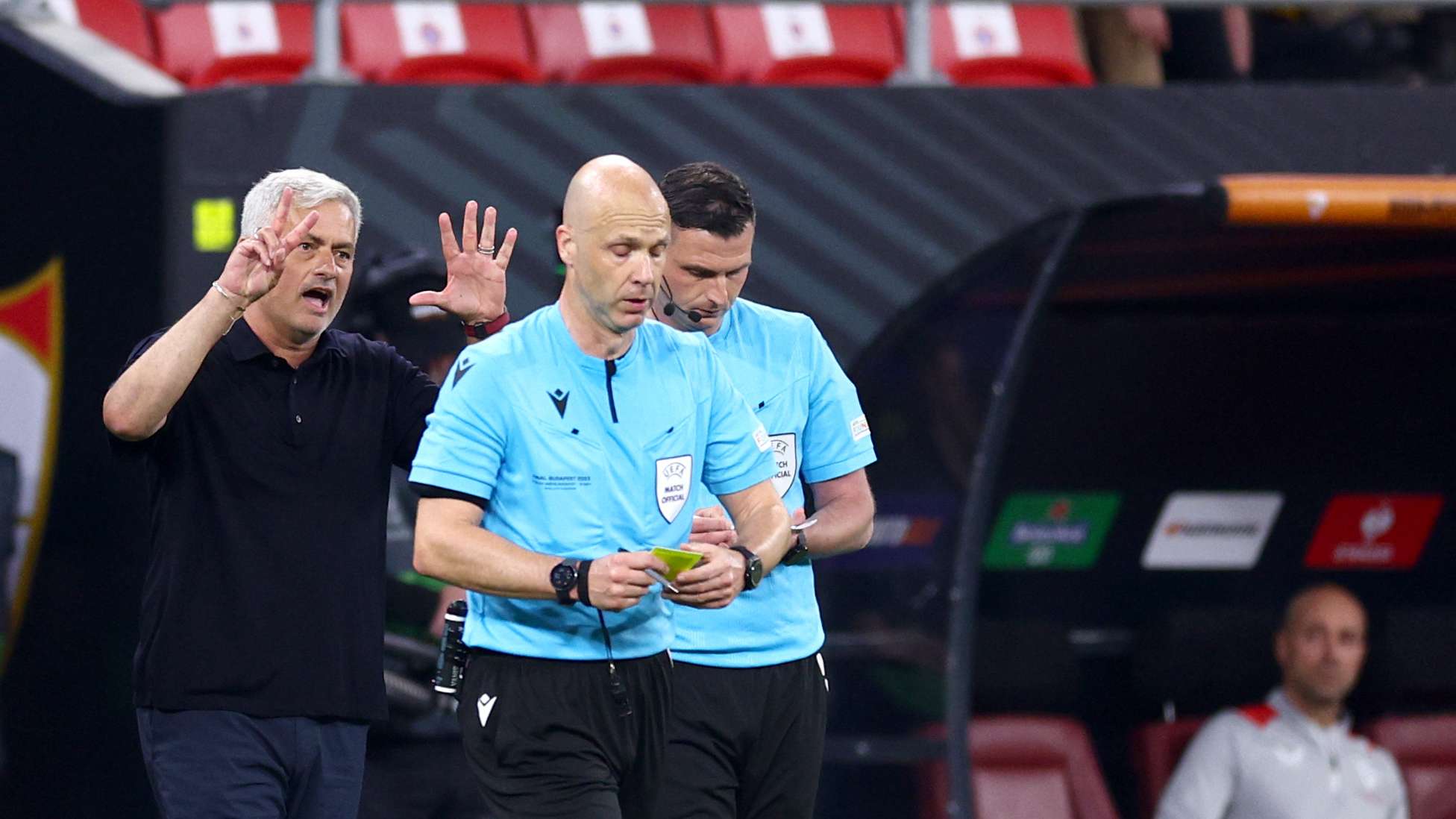
Slavko Vincic, the Slovenian referee who officiated the World Cup final between Spain and Argentina, has finally opened up about his experience during the biggest match of his career. In an interview with the Spanish newspaper “Sport,” Vincic discussed the challenges he faced, his crucial decisions, and his interaction with Argentine superstar Lionel Messi.
Managing the Intense Final
Vincic admitted that officiating the goalless final, which went into extra time, was not an easy task. Spain and Argentina played contrasting styles, with Spain focusing on possession while Argentina aimed to disrupt their play. The referee had to navigate the clash of strategies to ensure a fair and smooth game.
The Key Decision: Sending off Enzo Fernandez
Vincic highlighted his most important decision of the match – sending off Enzo Fernandez with a second yellow card. He defended his call, stating that both teams accepted the decision without objection. However, it was his interaction with Lionel Messi that garnered the most attention.
Messi’s Sportsmanship Praised
While Vincic did not disclose the specifics of his conversation with Messi, he commended the Argentine captain for his sportsmanship and respectful behavior. The referee emphasized that Messi accepted his decisions without any undue pressure, showcasing the professionalism expected at such a high-stakes event like the World Cup final.
“It is the World Cup final,” Vincic emphasized. “Players’ mentalities and reactions differ, given the match’s significance. Understanding and managing these dynamics was crucial for a successful officiating strategy.”
Surprise Appointment and Addressing Controversy
Reflecting on his unexpected appointment to the final, Vincic expressed initial surprise but later felt proud to represent Slovenia on such a prestigious stage. Despite his successful refereeing career, Vincic did not shy away from addressing his controversial past, involving an unfortunate incident linked to prostitution and arms and drug smuggling.
Setting the record straight, Vincic explained, “I had no involvement in those activities. It was a regrettable mistake stemming from a lunch invitation that I accepted unknowingly. I deeply regret getting entangled in such a situation.”
Conclusion
Slavko Vincic’s insights into his experience as the referee for the World Cup final shed light on the intricacies and challenges faced on the field. His commendation of Messi’s sportsmanship and his honest reflection on past controversies provide a glimpse into the personal and professional journey of a referee tasked with officiating one of the most significant matches in football history.
Impacts of Key Decisions in Football Prediction
Slavko Vincic’s pivotal decision to send off Enzo Fernandez in the World Cup final highlights the importance of referees in shaping the outcome of a match. In the world of football prediction, such crucial calls can significantly influence the predictions made by fans, analysts, and bettors alike. A red card, for instance, can dramatically shift the balance of a game and alter the predicted result.
When making football predictions, factors such as referee decisions, player suspensions, and tactical adjustments must be carefully considered. The expertise and judgment of the referee, as demonstrated by Vincic in the final, play a crucial role in determining the flow and outcome of a match. Understanding how these elements impact the game can help enhance the accuracy of football predictions.
Psychological Dynamics in Football Officiating
Vincic’s acknowledgment of the mentalities and reactions of players in high-stakes matches like the World Cup final sheds light on the psychological aspect of football officiating. Referees must not only have a deep understanding of the rules but also possess the emotional intelligence to manage player behaviors and expectations effectively.
In the realm of football prediction, recognizing the psychological dynamics at play in a match can provide valuable insights for making accurate predictions. Factors such as team morale, individual player mindsets, and the pressure of the occasion can all impact the outcome of a game. By considering these psychological elements, football predictors can gain a more comprehensive understanding of the factors influencing results.
Building Trust and Integrity in Football Refereeing
Vincic’s transparency regarding his controversial past and his commitment to upholding professionalism in the World Cup final highlight the importance of trust and integrity in football refereeing. Referees play a crucial role in maintaining the fairness and credibility of the game, and their actions both on and off the field can significantly impact public perception.
For football prediction enthusiasts, the integrity and trustworthiness of referees are essential considerations when analyzing matches and making predictions. Understanding the background and reputation of referees can provide valuable insights into their decision-making process and potential impact on the game. By prioritizing referees with a track record of integrity, football predictors can make more informed and reliable predictions.
Looking Ahead: Insights for Future Predictions
Slavko Vincic’s reflections on his experience as the referee for the World Cup final offer valuable insights that can be applied to future football predictions. By considering the impacts of key decisions, the psychological dynamics at play, and the importance of trust and integrity in officiating, football predictors can refine their strategies and enhance the accuracy of their predictions.
As the world of football prediction continues to evolve, drawing lessons from the experiences of referees like Vincic can provide a unique perspective that enriches the predictive process. By incorporating these insights into their analyses, football prediction enthusiasts can stay ahead of the game and make more informed predictions in the future.