
Manchester United Back Michael Carrick Despite Poor Start to the Premier League Season
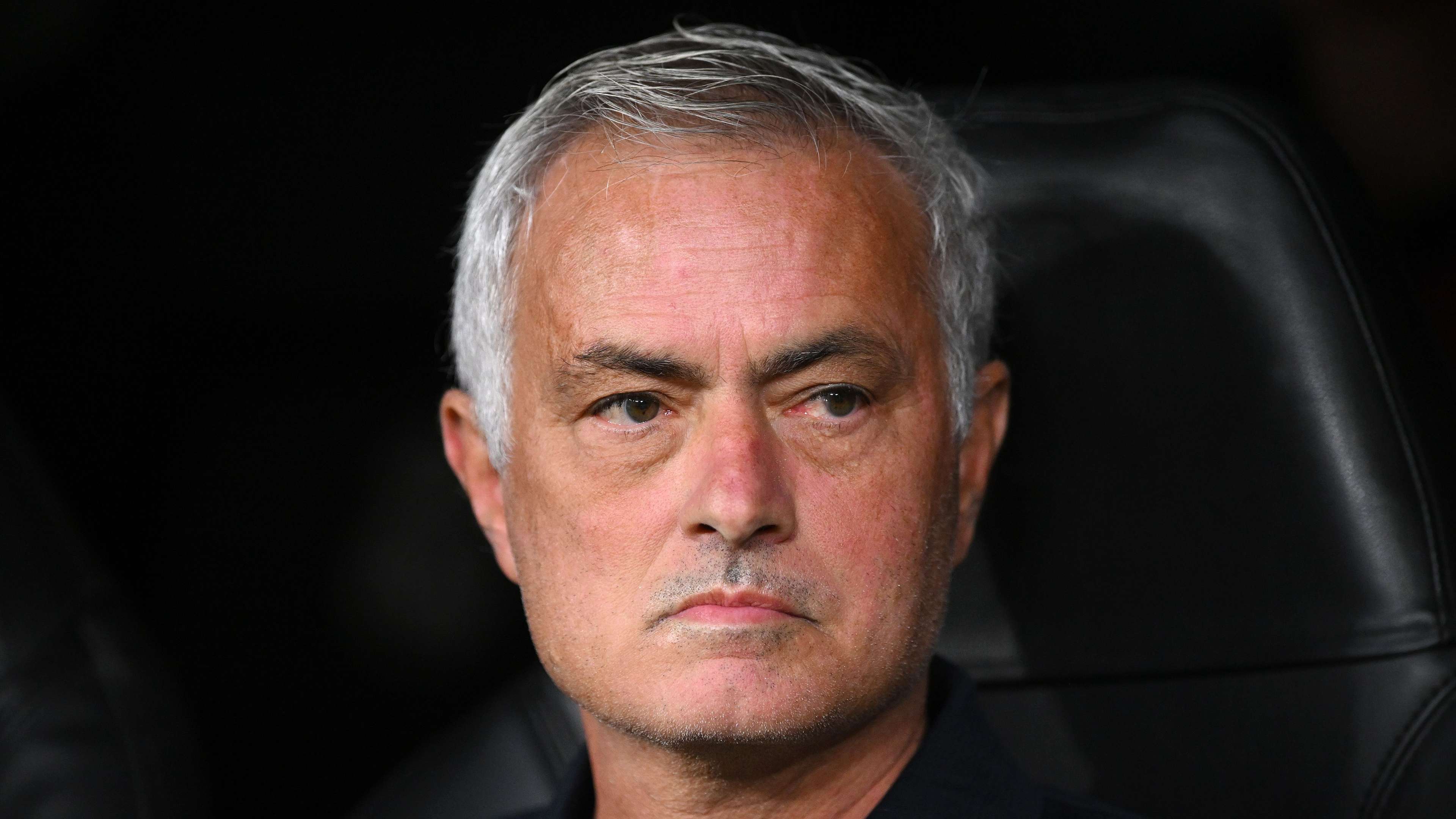
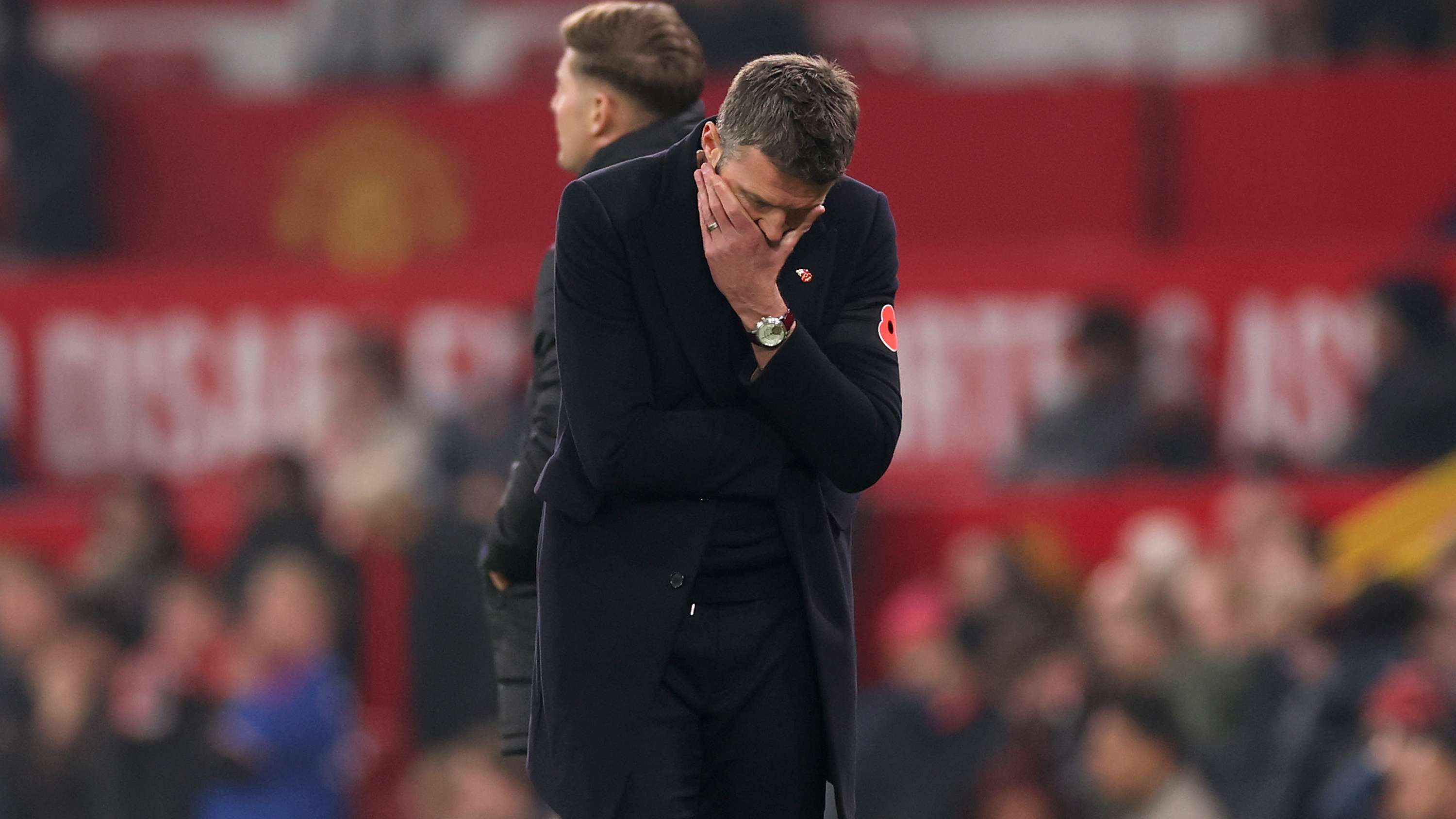
Manchester United are not planning to dismiss manager Michael Carrick for now, according to reports from English media, despite a disappointing run of results that has left the club in the Premier League relegation zone. The club’s leadership is understood to favour continuity, giving Carrick more time to improve performances and lift the team away from danger.
The decision comes at a difficult moment for United. After finishing third last season under Carrick, the club began the new campaign with hopes of building on that progress and challenging near the top of English football. Instead, their first ten league matches have produced only one victory. United sit 18th, one point behind Coventry, the first side outside the relegation places.
A dramatic draw offers a temporary reprieve
United’s latest match provided both a glimpse of their problems and a reminder of their resilience. Against Aston Villa, they fell two goals behind and later trailed 4-2, appearing close to another damaging defeat. Two goals in stoppage time changed the mood, however, as United fought back to claim a 4-4 draw.
The late comeback may have eased some immediate pressure on Carrick, but it did little to settle questions about the team’s overall direction. A point is valuable in a relegation battle, particularly after falling behind by two goals, yet conceding four times also underlined the defensive instability that has troubled United throughout the campaign.
For supporters, the match captured the season in miniature: moments of attacking urgency, costly lapses at the back and a dramatic finish that offered hope without resolving the underlying concerns. The result may influence the short-term prediction around Carrick’s future, but it is unlikely to change the broader expectation that United need a sustained improvement rather than one spirited performance.
Criticism grows as results fall short
Media criticism has been severe. The Daily Mail questioned whether United have the structure and consistency required to compete, describing the side as a collection of players driven by bursts of emotion rather than the habits of a coherent football team. The paper also argued that the squad’s shortcomings could eventually make it difficult for Carrick to remain in charge.
Such assessments reflect the frustration surrounding a club that entered the season with far greater ambitions. United’s low position is not simply a matter of missed opportunities in one or two games. A single win from ten league fixtures points to a persistent problem, whether in defensive organisation, chance creation, decision-making or the ability to manage matches after taking a setback.
Still, criticism of the manager does not automatically mean a change is imminent. Carrick’s supporters within the club may view the late rally against Villa as evidence that the players remain engaged and that the team can respond under pressure. The challenge is to turn that response into repeatable performances, not isolated drama.
Carrick says he intends to continue
Carrick has made clear that he does not plan to walk away. Speaking after the draw, he acknowledged that United have not collected enough victories, while insisting that he expects to keep working, improve the team’s level and pursue better results.
That message places responsibility on both the manager and the squad. Carrick must find a more reliable balance between attacking ambition and defensive security, while his players need to show greater concentration across the full 90 minutes. Late goals can energise a dressing room, but they cannot become a substitute for controlling matches from the start.
There are also practical reasons for the club to avoid a rushed decision. Replacing a manager during a difficult season can bring a short-term lift, but it also introduces uncertainty around tactics, selection and the wider football plan. If United’s hierarchy believes Carrick can still address the problems, a period of stability may be preferable to making a change without a clear successor or strategy.
International break creates a decision point
The upcoming international break offers a natural opportunity for a club to reassess its coaching position. With no immediate league match to prepare for, United could use the pause to make changes, if the board believed a new manager was necessary. Reports from the Mirror and the Manchester Evening News, however, suggest that the current preference is to keep Carrick in place.
That does not mean his position is secure indefinitely. In football, confidence from the board can shift quickly when results continue to disappoint, especially when a club with United’s history is fighting to avoid relegation. The coming fixtures will therefore carry significant weight. A stronger run could restore belief in Carrick’s project; further defeats would intensify calls for intervention.
United’s schedule includes demanding Premier League tests, including matches against Aston Villa and Liverpool. Those games will examine more than the team’s quality: they will test its composure, organisation and capacity to respond after setbacks. For fans following the club’s season prediction, the key question is whether the Villa comeback marks a turning point or merely delays a difficult decision.
What Manchester United need next
The immediate priority is to convert resilience into consistency. United need to reduce defensive errors, protect leads more effectively and create chances through a clearer attacking plan. Just as importantly, they must avoid allowing one poor spell to dictate the outcome of an entire match. The comeback against Villa showed that the team can fight, but a relegation-zone position demands control as well as character.
For now, calm appears to have returned to Carrington, and the club’s reported stance is to give Carrick more time. That approach offers the manager an opportunity to prove that the team’s struggles can be corrected without another change in leadership. Yet patience will depend on progress, and progress will ultimately be judged by points.
Manchester United’s season remains finely balanced. The late draw has provided a brief lift and may have bought Carrick breathing room, but the wider challenge is unchanged: turn a poor start into a sustained recovery. Whether the club’s decision to stick with its manager proves wise will become clearer in the weeks ahead, as United attempt to climb out of the relegation zone and restore confidence in their football.