
Rabiot Questions Refereeing After Milan’s Win Over Genoa
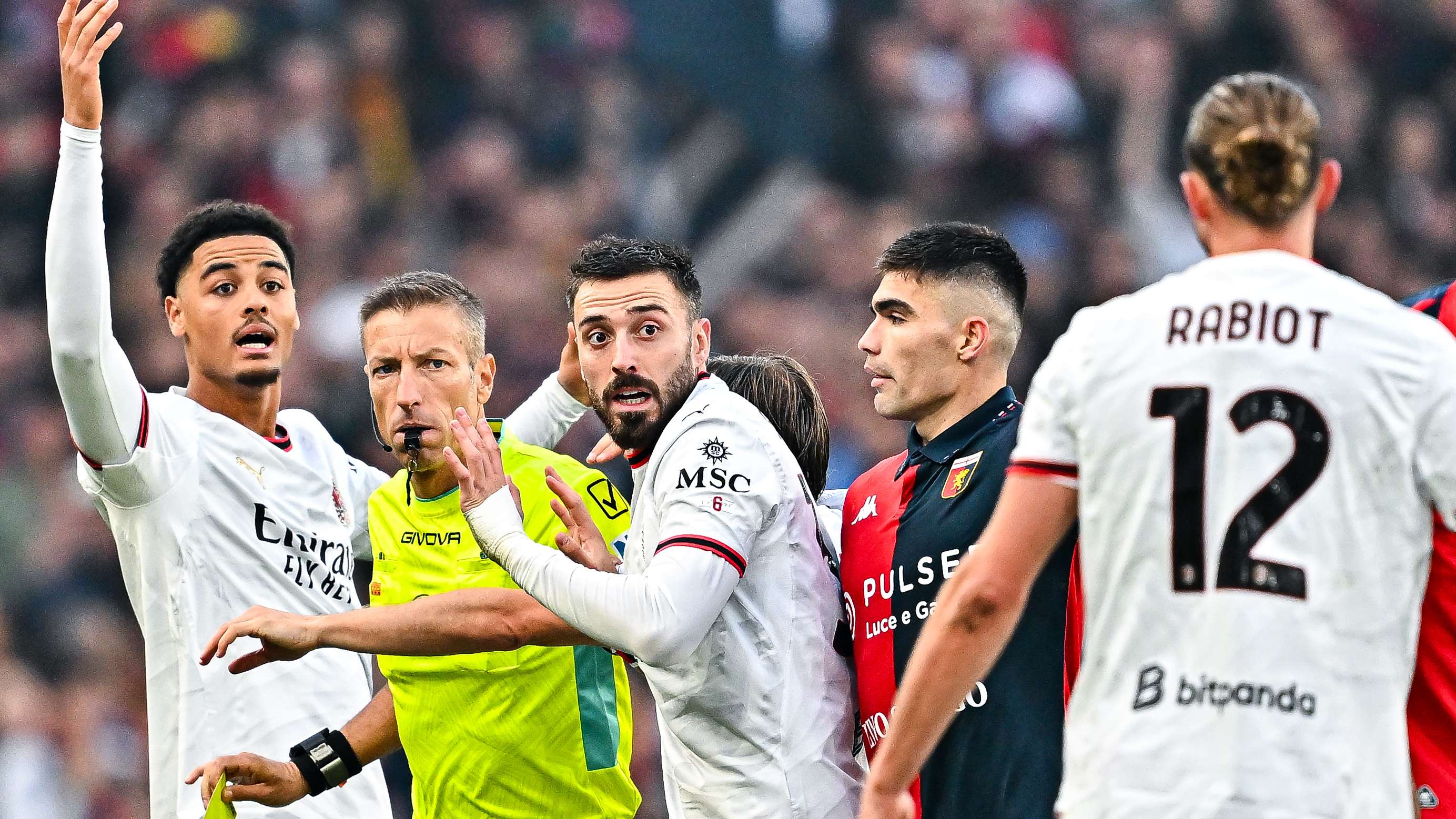
AC Milan left Genoa with a 2-1 victory in Serie A, but the result did little to calm Adrien Rabiot’s frustration over a major refereeing decision. The midfielder believed he had been denied a clear goalscoring opportunity when Genoa defender Marcandalli fouled him early in the second half. Referee Massa showed Marcandalli a yellow card, then booked Rabiot for his protests.
The incident became one of the match’s most discussed moments, drawing in Milan’s technical staff, former referee Gianpaolo Calvarese and, after the final whistle, Rabiot himself. Beyond the heated exchange, the dispute highlights how football’s rules define a “denial of an obvious goalscoring opportunity”—and why such decisions can remain controversial even when officials follow the relevant criteria.
The 49th-Minute Foul That Sparked the Dispute
The flashpoint came in the 49th minute, with Rabiot advancing from just short of the halfway line and moving towards Genoa’s goal. Marcandalli brought the French midfielder down as he tried to continue the attack. Rabiot immediately appealed for a red card, arguing that the foul had stopped a promising break.
Massa judged the incident differently and cautioned the Genoa defender. Rabiot continued to challenge the decision and was also shown a yellow card. The disagreement quickly spread beyond the players: Milan’s bench reacted angrily, and the referee dismissed three people, including the club doctor and members of the Rossoneri coaching staff.
Although Milan ultimately secured the win, the episode added a tense subplot to the match. For supporters, the question was straightforward: if a player is fouled while running towards goal, should the defender automatically be sent off? Under the Laws of the Game, the answer depends on several factors—not simply the direction of the run.
Why the Red Card Was Not Automatic
Former referee Calvarese defended Massa’s decision in a post on Instagram, explaining that officials must assess the full picture before deciding whether a foul has denied a clear and obvious goalscoring opportunity. The key considerations include the distance to goal, the direction of the attack, the number and position of defenders, and whether the attacker had control of—or a realistic chance to control—the ball.
Calvarese later described the incident to La Gazzetta dello Sport as a complex case in a “grey area.” In his view, the circumstances did not make a red card inevitable. He also noted that, had Massa dismissed Marcandalli, VAR would not necessarily have stepped in to overturn the referee’s on-field decision. That distinction matters: video review is generally reserved for clear and obvious errors, rather than disagreements over a decision that involves interpretation.
Rabiot was approximately 65 metres from goal when he was fouled and was moving somewhat towards the touchline. Those details may have influenced Massa’s assessment. The distance meant that several actions would still have been required before Milan could create a scoring chance, while the angle of the run and the presence of other defenders were also relevant to the decision.
In practical terms, a player can be heading towards goal without being denied an obvious opportunity to score. Officials must consider whether the attacker was likely to reach the ball, how quickly defenders could recover, and whether the route to goal was sufficiently direct. The rule is designed to distinguish a genuine chance from a promising attack that has not yet become a clear scoring opportunity.
Rabiot’s Public Response to Calvarese
The argument continued after the match, when users tagged Rabiot in the comments beneath a video of Calvarese discussing the incident. The Milan midfielder responded directly, accusing the former official of failing to acknowledge mistakes.
“In life, as in football, mistakes can be made, but one must at least know how to admit them,” Rabiot wrote. He then added that “lying constantly will not help you progress,” arguing that Italian football ultimately pays the price when controversies are not addressed honestly.
His comments turned a disputed call into a broader debate about trust, accountability and public communication in Italian football. Players often have only a brief opportunity to challenge a decision during a match, while former officials and broadcasters can revisit the footage afterwards. That difference can make post-match explanations especially important to fans seeking clarity.
What the Incident Means for Milan and Serie A
For Milan, the immediate priority was the result: the Rossoneri won 2-1 and collected three important points in the league. Yet the argument may remain part of the match’s legacy because it touches on a recurring issue in top-level football—the gap between how a decision feels to the player involved and how it is assessed under the rules.
Rabiot’s reaction was understandable from a competitor’s perspective. A player breaking forward may see a large amount of open space and believe a foul has removed a direct route to goal. The referee, however, must make a rapid judgment based on the positions of the ball, attacker, defenders and goal at the exact moment of the challenge. A different interpretation does not automatically mean the decision was dishonest or clearly incorrect.
For fans following Milan’s season, the result offers a positive outcome, while the controversy provides a reminder that individual calls can shape the emotional rhythm of a match even when they do not change the score. Any football prediction for Milan’s upcoming fixtures should focus on the team’s performances and availability rather than treating this single refereeing dispute as a reliable indicator of future results.
A Decision That Remains Open to Debate
Massa’s yellow-card decision rested on the view that Rabiot’s position, distance from goal and angle of movement did not meet the threshold for denying a clear goalscoring opportunity. Calvarese supported that interpretation while acknowledging the case was not straightforward. Rabiot, by contrast, believed the foul warranted a red card and publicly challenged the defence of the call.
The disagreement captures why these incidents generate so much discussion: the rules provide a framework, but applying them still requires judgment. Milan’s 2-1 win over Genoa stands, yet the 49th-minute challenge is likely to remain a talking point among supporters, analysts and anyone tracking the latest Serie A football news.