
Dominic Calvert-Lewin Stands During Premier League Anti-Racism Gesture
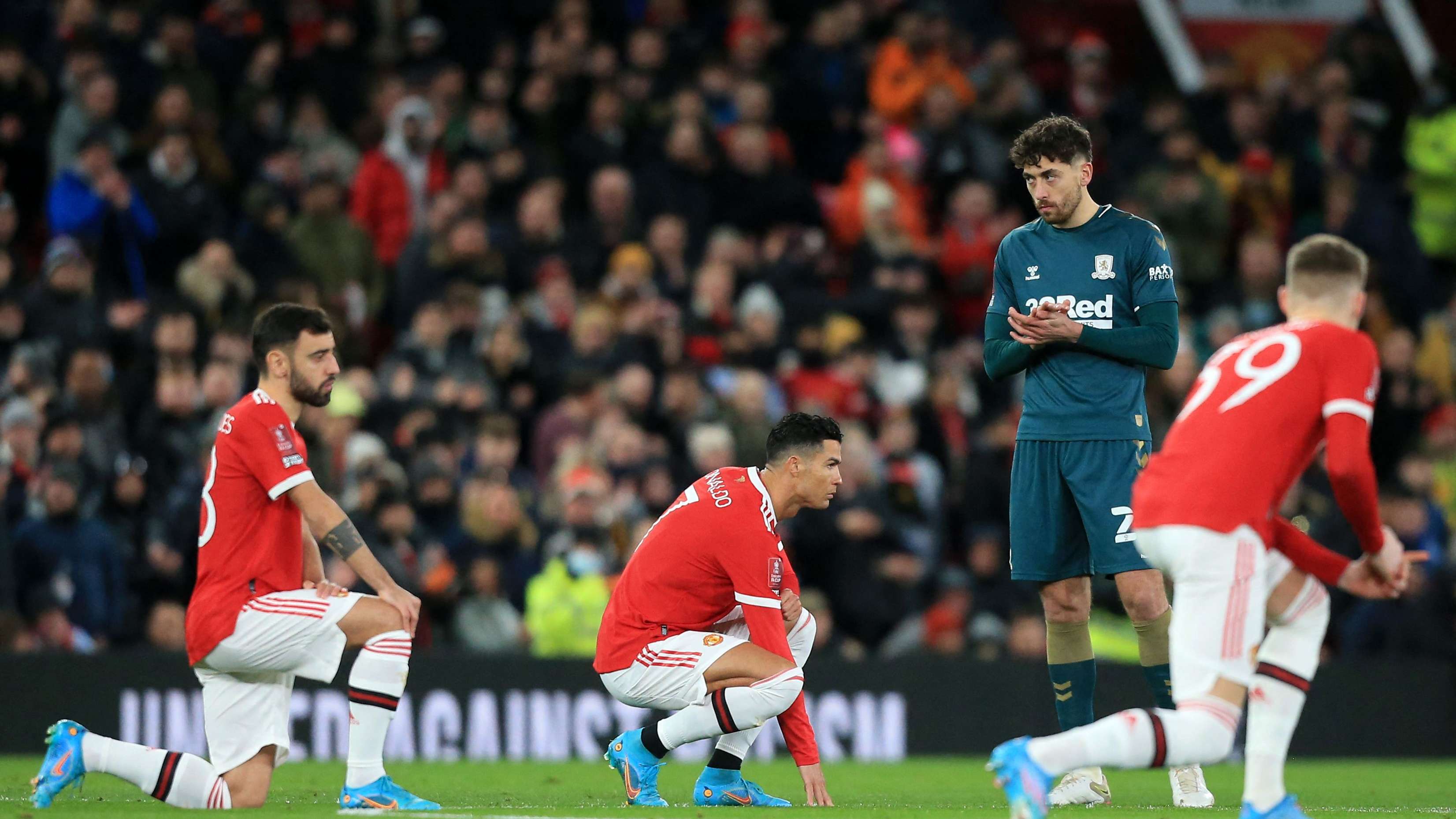
Leeds United striker Dominic Calvert-Lewin remained standing while players around him took a knee before the club’s 1-1 Premier League draw with Manchester United. The moment renewed discussion about how footballers express support for anti-racism campaigns—and whether a shared gesture must look the same for everyone.
The pre-match demonstration returned this week as part of the Premier League’s No Room for Racism campaign. It was widely adopted after the death of George Floyd in the United States in 2020, which sparked global protests and brought the Black Lives Matter movement into sharper focus. In England, players began taking a knee before matches to show solidarity against racism.
Farke says the decision was about personal respect
Leeds manager Daniel Farke said Calvert-Lewin had explained his choice as an expression of independence and respect. Speaking to reporters, Farke said the striker did not want others to dictate how he should demonstrate his beliefs. He added that people may support the same cause in different ways, and described football dressing rooms as places where people from diverse backgrounds live and work together.
Farke’s comments highlighted a central tension around symbolic protests: collective gestures can make a message highly visible, but individuals may prefer to communicate their convictions differently. Calvert-Lewin’s decision to stand should not, by itself, be treated as evidence of opposition to the campaign. His manager’s account framed it as a personal choice, while reaffirming support for the anti-racism message.
How the Premier League knee gesture developed
Taking a knee became a familiar sight across English football during the period following Floyd’s death. Players and teams used the gesture before matches to draw attention to racism and show solidarity with those affected by discrimination. The practice continued regularly until 2022, when clubs agreed to retain it for selected fixtures rather than perform it before every game.
That change reflected a broader effort to keep anti-racism initiatives visible while avoiding the risk that a repeated gesture might become routine or lose its impact. The Premier League has since used specific campaign moments to renew the message, including this week’s return of the pre-match demonstration. The league’s approach combines symbolic action with wider work intended to address discrimination in football and beyond.
Calvert-Lewin has made a similar choice before. He also stayed on his feet during a Leeds match against Burnley near the end of last season, making his latest decision part of a pattern rather than an isolated response to the Manchester United fixture.
Other players also chose to remain standing
Calvert-Lewin was not the only player to stand during this week’s matches. Ainsley Maitland-Niles of Everton, Issa Diop of Ipswich Town, Manchester City defender Marc Guéhi, and Bournemouth’s Ryan and Tyler Adams were also reported to have remained standing during the campaign gesture.
Different choices among players can prompt debate, but they also underline the personal nature of protest. Some footballers may view taking a knee as the clearest way to show solidarity; others may believe that standing, speaking publicly, supporting community initiatives or challenging discrimination in everyday settings better reflects their position. The important question for clubs and governing bodies is how to ensure that visible campaigns are backed by sustained action.
Why the moment matters beyond one match
A brief pre-match gesture can carry significance because football reaches enormous audiences. Supporters watching a Premier League game see players from different backgrounds sharing the same pitch, and the sport’s visibility can help keep conversations about racism in public view. At the same time, a symbolic act cannot solve discrimination on its own. Long-term progress depends on how clubs respond to abuse, how institutions support affected players and fans, and whether inclusion is reflected throughout the game.
The Leeds-Manchester United draw therefore became a talking point for reasons beyond the 1-1 scoreline. Calvert-Lewin’s decision placed individual expression alongside a campaign designed to present a united message. Farke’s response attempted to hold both ideas together: support for the cause, and respect for a player’s right to express that support in his own way.
Football prediction and the next fixtures
For supporters looking ahead, Leeds’ next league outing is against Brighton on 26 October, while Manchester United are scheduled to face Sunderland on 22 October in the fixture information provided. Any football prediction for those matches will depend on factors such as team form, injuries, tactics and home advantage—not on a pre-match gesture. Still, the discussion surrounding the Leeds game is likely to remain part of the wider football conversation as the campaign continues.
Ultimately, the episode shows how a familiar ritual can prompt fresh questions about solidarity and personal choice. The Premier League’s anti-racism message remains the focus, but the way players communicate it may differ. As football continues to address discrimination, the challenge will be to turn moments of visibility into consistent, measurable progress across the sport.