
Messi vs. Ronaldo: Ballon d’Or Vote Reignites Football’s Greatest Rivalry
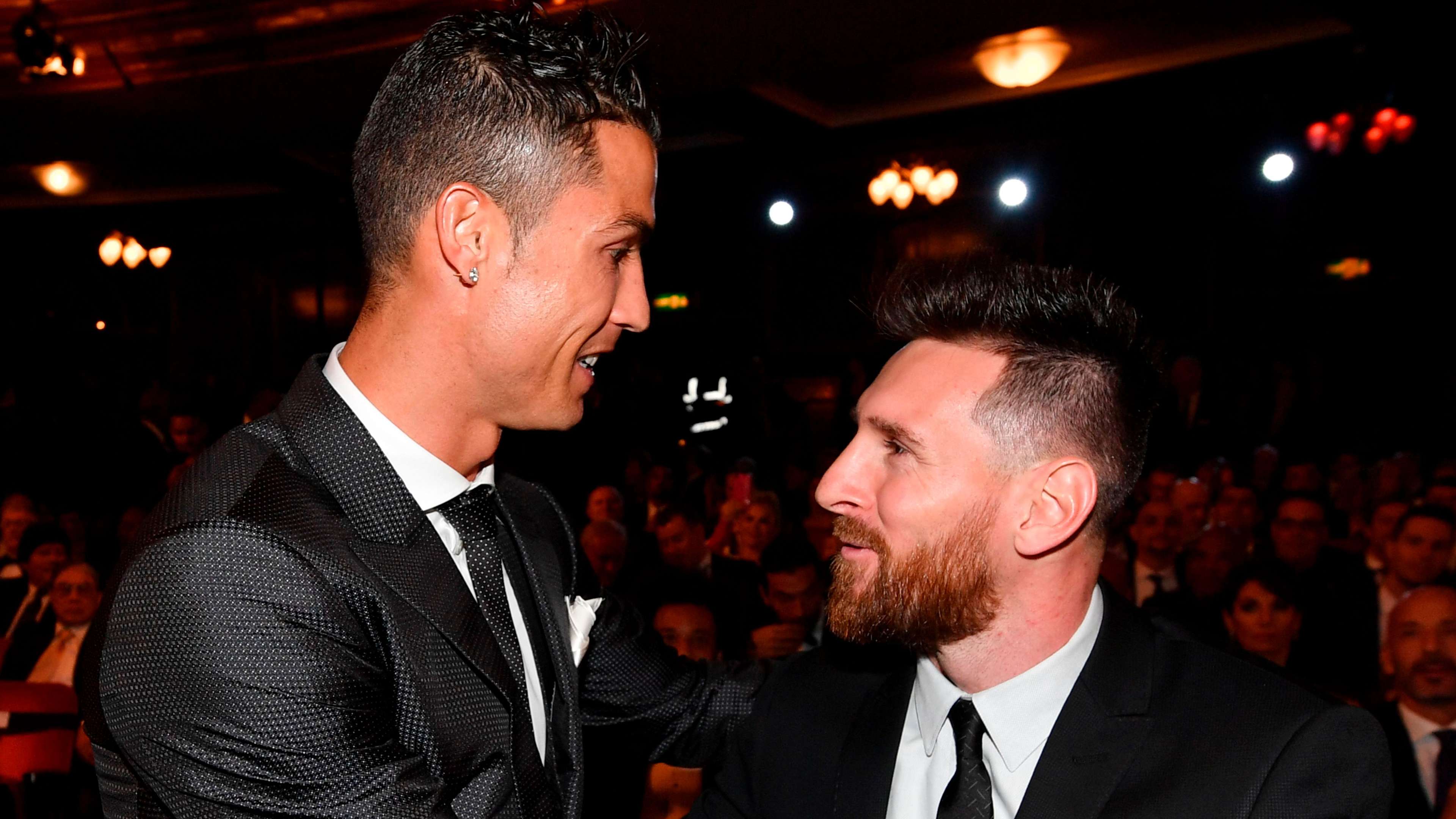
The long-running rivalry between Lionel Messi and Cristiano Ronaldo has returned to the football headlines, but this time the two icons are competing in an unusual setting: a public vote organized through the Ballon d’Or’s official platform. Supporters are being asked to choose the greatest individual Ballon d’Or-winning season in the award’s history, placing two defining figures of modern football alongside some of the sport’s most celebrated names.
The initiative features ten players who have won the Ballon d’Or at least twice. Fans do not simply select a player; they choose a particular season in which that nominee claimed the prize. That distinction makes the contest a comparison of individual campaigns, inviting voters to weigh achievements, influence and the lasting memory attached to each award-winning year.
How the Ballon d’Or vote works
Voting opened in early October and is scheduled to close at midnight on October 27, Paris time. According to Argentine sports outlet TyC Sports, each ballot costs one euro. Participants are also entered into a prize draw for two tickets to this year’s ceremony and a special photograph with the award.
Fans can submit more than one vote, including multiple votes for the same season. The platform also displays the percentage received by each selection, allowing supporters to follow the contest as it develops. Those details make the project part fan poll, part celebration of Ballon d’Or history—and give the results a live, competitive feel.
Alongside Messi and Ronaldo, the list includes Ronaldo Nazário, Marco van Basten, Michel Platini, Karl-Heinz Rummenigge, Kevin Keegan, Franz Beckenbauer, Johan Cruyff and Alfredo Di Stéfano. The nominees span different eras, styles and football cultures, from the early years of the modern award to the global, data-rich game of today.
Ronaldo’s 2008 season leads the early standings
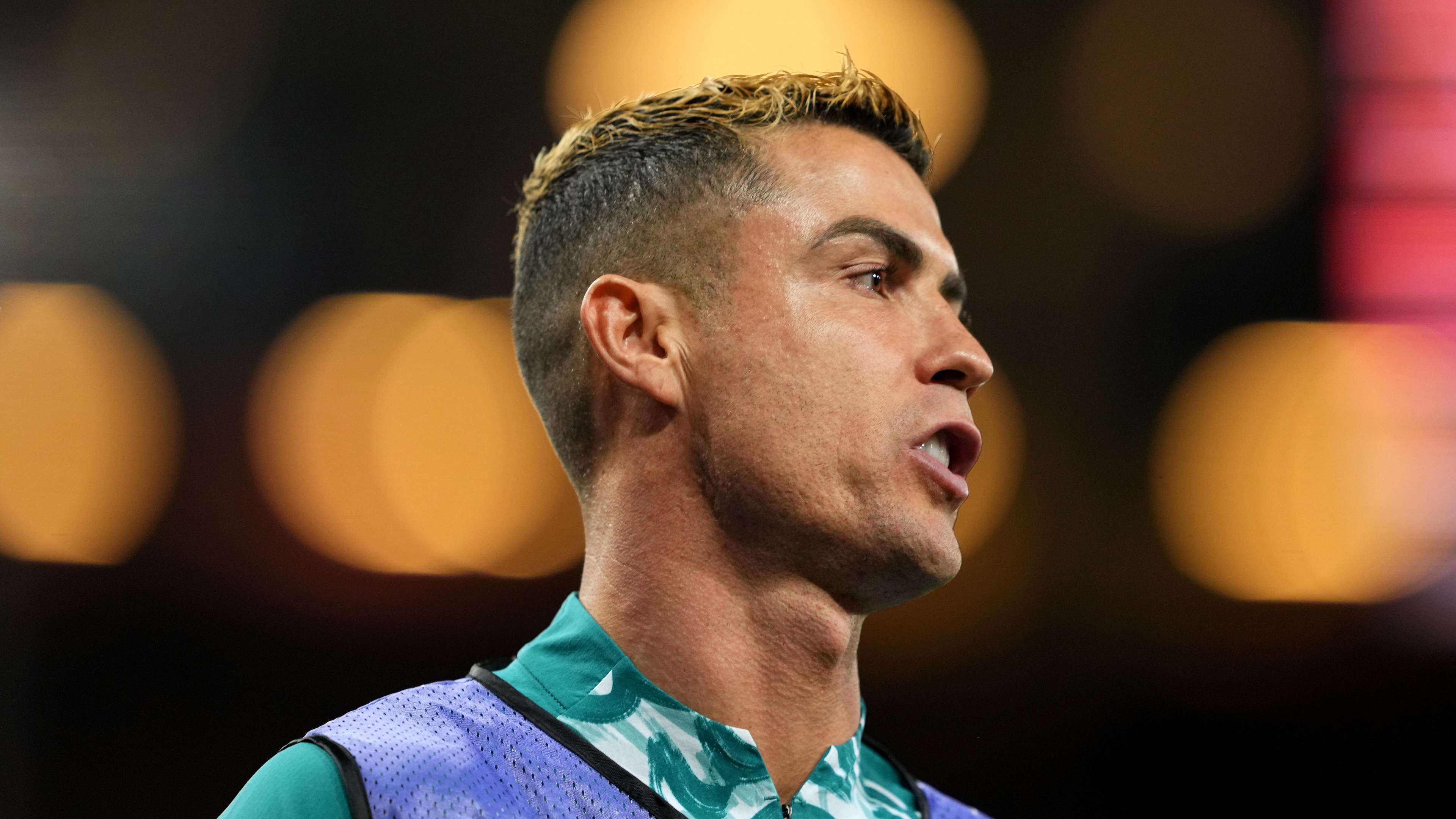
At the time of the reported figures, Cristiano Ronaldo’s 2008 Ballon d’Or season was comfortably ahead, attracting 62% of the vote. The Portuguese forward won the award while playing for Manchester United, after a campaign in which he became one of the most influential attacking players in Europe. It was the first of his five Ballon d’Or titles and a landmark moment in a career that would go on to define an era.
Ronaldo’s 2008 campaign remains an appealing choice for fans because it combined individual brilliance with major team success. His pace, aerial ability and finishing made him a constant threat, while Manchester United’s achievements gave the season a strong collective backdrop. For voters, the case is not only about statistics: it is also about the sense that Ronaldo had become a complete, decisive force at the highest level.
Messi’s 2012 Ballon d’Or season had received 13% of the vote in the same snapshot. That year stands out for the Argentine’s extraordinary scoring output and record-setting performances, making it one of the most memorable individual campaigns in football. Yet Messi’s support appears to be divided among his eight Ballon d’Or-winning seasons, rather than concentrated on one edition.
Messi’s eight wins create a crowded field
Messi’s 2023 award, earned after Argentina’s World Cup triumph in Qatar, was reported to have received 9% of the vote, placing it second among his seasons. The achievement carries a different kind of significance from his earlier wins. It connected his individual legacy with the long-awaited international success that had eluded Argentina’s captain for much of his career.
The spread of support across Messi’s awards illustrates a challenge unique to a player with such a long record of excellence: fans may struggle to identify a single season that best represents his career. Some may favour the scoring records of 2012, while others may choose the World Cup-winning year of 2023 or one of his Barcelona-era campaigns. A vote framed around seasons therefore measures not just popularity, but how supporters define greatness.
Ronaldo’s other award-winning years were also represented in the early results. His 2007 Ballon d’Or had 7%, while his 2016 honour received 2%. The remaining awards for both players were below 1% at the time, with some registering no percentage. These figures are a snapshot rather than a final verdict, particularly because voting remains open and participants can cast multiple ballots.
A historic rivalry across changing eras
Messi and Ronaldo’s competition has shaped football conversation for more than a decade. Their careers overlapped at the summit of the sport, with fans comparing goals, trophies, playing styles and individual awards. Messi is often celebrated for his close control, vision and playmaking, while Ronaldo’s reputation rests on athleticism, versatility and an exceptional ability to score in different ways. Both descriptions are simplified, but they help explain why debates about their relative greatness continue to attract attention.
The Ballon d’Or poll broadens that debate beyond the modern rivalry. Including legends such as Cruyff, Beckenbauer, Platini and Di Stéfano gives supporters an opportunity to compare football across generations, even though the game’s tactics, training and award criteria have changed significantly over time. Any prediction about the final result should therefore account for more than sporting records: familiarity, nostalgia and the size of each player’s global fan base may all influence the outcome.
For readers following the vote, the most interesting question may be whether Ronaldo’s early lead holds or whether Messi’s backing gathers around one defining season as the deadline approaches. The current percentages offer a compelling talking point, but they should not be treated as a final ranking of careers. Instead, the poll is a fan-driven celebration of football history—and another reminder that the Messi-Ronaldo rivalry remains powerful even when the players are not facing each other on the pitch.