
Pedro Proença Backs Cristiano Ronaldo to Remain a Key Figure for Portugal
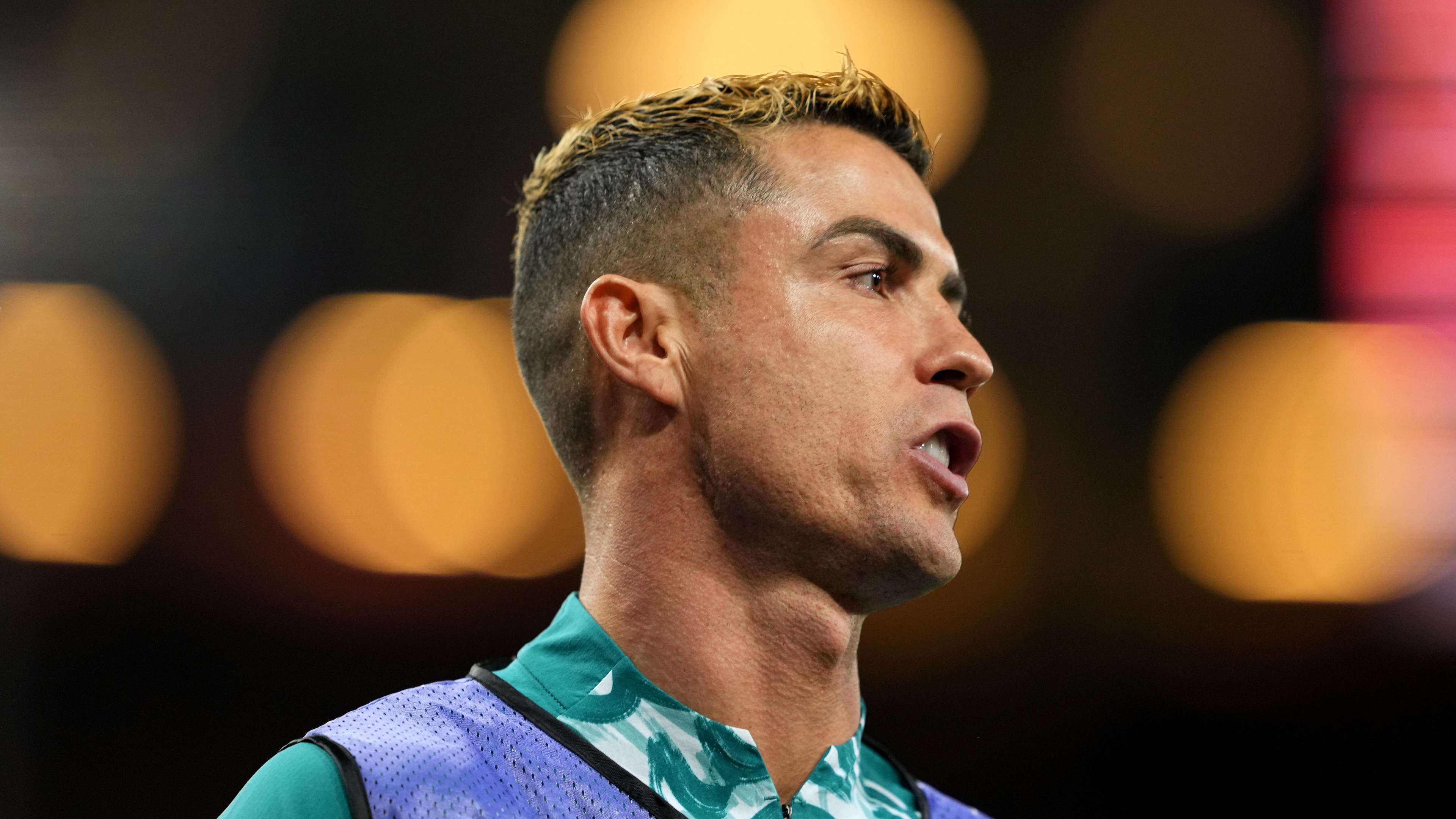
Portugal Football Federation president Pedro Proença has expressed confidence that Cristiano Ronaldo will continue to play an important role for the national team, despite the forward’s recent suspension and reported disagreement with head coach Jorge Jesus. Proença’s comments offer a measured show of support for the veteran captain while suggesting that the immediate tension can be addressed through dialogue.
Ronaldo remains one of the most prominent figures in Portuguese football, and any dispute involving the national team’s captain is likely to attract intense attention. Yet Proença’s message is that a difficult moment should not automatically define the relationship between player, coach and federation. With Portugal balancing the demands of results, squad harmony and long-term planning, the coming conversations could be just as significant as the next match.
Proença Emphasizes Ronaldo’s Continuing Value
Proença’s backing reflects the importance Ronaldo still holds within Portugal’s setup. His experience at the highest level, familiarity with major tournaments and influence in the dressing room make him a distinctive presence in the squad. Even as the national team develops new options, the captain’s contribution can extend beyond goals and assists.
That influence is particularly relevant during high-pressure international campaigns. Younger players can benefit from sharing a training environment with someone who has spent years competing in decisive matches. Ronaldo’s standards, preparation and understanding of tournament football may help set expectations across the group, provided his role is clearly defined and supports the coach’s plans.
Proença’s position does not mean that Ronaldo is exempt from team rules or that every disagreement can be ignored. Rather, it signals that the federation sees value in resolving the situation constructively. A suspension may create a short-term sporting setback, but it does not necessarily erase the broader contribution a player has made—or could still make—to the national side.
Suspension Puts the Spotlight on Portugal’s Squad Plans
Ronaldo’s recent suspension has inevitably raised questions about Portugal’s options in attack and the balance of the team. When a high-profile forward is unavailable, coaches must consider more than simply replacing his position on the team sheet. They may need to adjust the pressing approach, movement in the final third and the way the side creates chances.
Such moments can also provide opportunities for other forwards to take on greater responsibility. A deeper squad benefits when several players are prepared to contribute, rather than relying on one individual to carry the attacking burden. For Portugal, the challenge is to preserve Ronaldo’s strengths while ensuring the team remains adaptable whenever he is absent, rested or used in a different role.
The suspension also makes selection decisions more prominent. Supporters will want to know whether Ronaldo is expected to return immediately, how the coaching staff intends to manage his minutes and whether the team’s tactical structure will change. Those questions are part of the wider football discussion, but answers will depend on the coach’s assessment of performance, fitness and the needs of each fixture.
Can Ronaldo and Jorge Jesus Resolve Their Disagreement?
Proença is confident that Ronaldo and head coach Jorge Jesus can settle their reported disagreement. That confidence points to a belief that communication remains possible, even after a clash described as explosive. In elite football, disagreements can emerge over roles, decisions, discipline or expectations. What matters next is whether those involved can move from confrontation toward a workable understanding.
A productive resolution would likely require clarity from both sides. Ronaldo would need to understand the coach’s expectations and the boundaries that apply to every member of the squad. Jesus, in turn, would need to communicate how he sees the captain fitting into the team’s tactical and leadership structure. The federation’s role is to help maintain a professional environment, not to replace the coach’s authority over sporting decisions.
For Portugal, a calm outcome would be valuable because public disputes can quickly become a distraction. Media coverage and fan debate may intensify when the players involved are globally recognized, but the team’s focus must remain on preparation and results. A private conversation, followed by consistent decisions on the pitch, could do more to restore stability than extended public exchanges.
The Leadership Question as Portugal Looks Ahead
Ronaldo’s position also raises a broader question for Portugal: how should a national team manage the transition between an established generation and emerging talent? This is a familiar challenge for successful football nations. Experienced players can provide continuity and leadership, while younger members of the squad need opportunities to grow into influential roles of their own.
The strongest approach is rarely an abrupt choice between experience and renewal. Instead, coaches can define responsibilities according to form, fitness and tactical need. Ronaldo may remain a key option while Portugal continues to develop other attacking players. That balance can protect the team from overdependence and allow younger footballers to gain experience without discarding the value of a proven international performer.
Leadership, meanwhile, is not determined solely by a captain’s title. It is shaped by conduct, communication and the ability to support collective goals. If Ronaldo and Jesus can agree on how the captain contributes, the episode could become a turning point that strengthens the group. If the disagreement continues, it may place additional pressure on the coach and federation to make difficult decisions.
What the Latest Developments Could Mean for Portugal
Proença’s comments should be viewed as an expression of confidence, not a guarantee about future selection. The coach remains responsible for choosing the team, and Ronaldo’s return will ultimately depend on the circumstances surrounding the suspension, his readiness and the demands of upcoming fixtures. Support from the federation may help create space for a solution, but it cannot settle the matter on its own.
For supporters following Portugal football, the most useful prediction is that the situation will be judged by what happens next: whether the captain and coach communicate, whether Ronaldo returns to the squad, and whether the team performs with unity. A reconciliation would give Portugal access to the experience and attacking threat of one of its most accomplished players. It would also allow the coaching staff to focus on football rather than a dispute.
For now, Proença’s message is clear: Ronaldo remains important to Portugal, and the disagreement with Jesus need not become permanent. The suspension has placed the relationship under scrutiny, but there is still room for dialogue. Portugal’s next steps will show whether the captain’s influence and the coach’s authority can coexist in a way that serves the team—and whether the episode becomes a brief disruption or a defining moment in the national side’s evolving story.