
CAS Sets November Deadline for Verdict in Morocco–Senegal AFCON Final Dispute
The Court of Arbitration for Sport (CAS) expects to deliver its decision at the end of November in the high-profile dispute over the 2025 Africa Cup of Nations final between Morocco and Senegal. The ruling could determine which team is officially recognised as continental champion after the Confederation of African Football (CAF) overturned the result and awarded the title to Morocco.
The case has drawn attention across African football because it concerns more than a trophy. At its centre are questions about match conduct, competition rules and the authority of football’s governing bodies to change the outcome of a final after the game has ended.
How the AFCON final dispute began
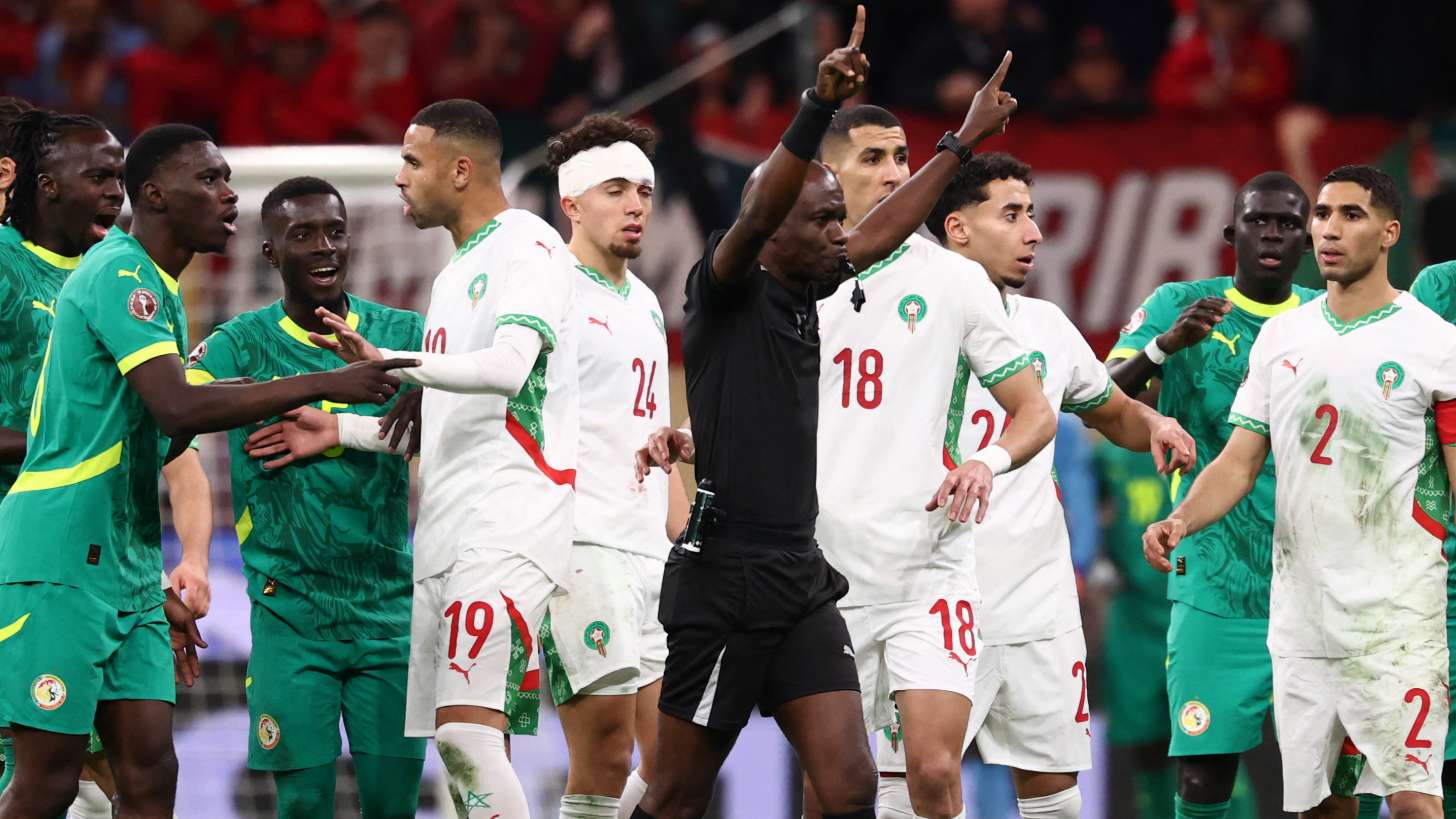
Senegal initially appeared to have secured the championship with a 1-0 victory over hosts Morocco after extra time. However, the closing stages of the match became contentious when a penalty was awarded to the Atlas Lions shortly before the end of the second half.
In protest against the decision, Senegal’s players walked off the pitch. The interruption placed the final under intense scrutiny and led to disciplinary and regulatory questions about whether the match had been completed in accordance with the tournament’s rules.
CAF subsequently stripped Senegal of the title and awarded the championship to Morocco. Senegal challenged that decision, taking the dispute to CAS, the independent sports tribunal that hears appeals involving international sports organisations, athletes and teams.
CAS hearing held behind closed doors
The arbitration hearing took place on Thursday, 8 October, at CAS headquarters in Lausanne, Switzerland. The proceedings were held behind closed doors, meaning the public did not have access to the hearing or the arguments presented by the parties.
In a statement published on its official website, CAS said the arbitration panel had started deliberating and was continuing to consider the case. The court added that the panel had chosen to issue a full decision, including its legal reasoning and the grounds supporting its conclusion.
That approach means the eventual ruling is expected to explain how the arbitrators interpreted the relevant regulations and applied them to the events of the final. Rather than announcing only which side has prevailed, CAS intends to provide a detailed account of the legal basis for its decision.
Why the ruling matters for African football
The outcome could have consequences well beyond the two national teams. A detailed CAS decision may help clarify how tournament rules should be applied when players leave the field in protest, and what steps match officials or competition organisers are required to take before a game can be considered concluded.
For football federations, the case is also a reminder that decisions made during a match can lead to a separate legal process after the final whistle. Disputes over penalties, player conduct and the interpretation of competition regulations can move from the pitch to disciplinary bodies and, ultimately, to an independent tribunal.
The ruling could also shape expectations for future CAF competitions. If CAS supports CAF’s decision, the judgment may explain why the governing body had the authority to alter the original result. If Senegal’s appeal succeeds, the court may instead identify procedural or legal shortcomings in how the title was reassigned. Either way, the reasoning could become an important reference point for future disputes in African football.
What supporters can expect next
CAS has indicated that the process will take several weeks, with a decision expected at the end of November. Until the ruling is issued, the legal status of the championship remains a matter of dispute between the parties, despite CAF’s decision to recognise Morocco as the winner.
The arbitrators must assess the submissions and evidence before reaching a conclusion. Their task is not simply to decide which team played better or deserved to win on the field. Instead, they must determine whether the governing regulations were followed and whether CAF acted within its authority when it changed the outcome of the final.
Because the hearing was confidential, supporters may have to wait for the published decision to learn the full details of the arguments. The court’s promise to include legal grounds should provide a clearer explanation of the issues that shaped the case, although it may not prevent further debate among fans and analysts.
AFCON prediction talk takes a back seat
The uncertainty has also changed the conversation around the tournament. Normally, attention after an AFCON final quickly turns to player performances, coaching decisions and prediction discussions for the next edition. This time, the focus remains on the legal process and the official record of the 2025 final.
For Senegal supporters, the CAS decision will determine whether their team’s original victory is restored or whether CAF’s title reassignment stands. For Morocco, the ruling will establish whether the championship awarded by the confederation is confirmed. Neutral observers will be watching for guidance on how similar incidents should be handled in future competitions.
Until CAS publishes its verdict, neither side can bring the dispute to a definitive close. The end-of-November decision is therefore expected to be one of the most closely followed developments in African football this year, with implications for the title, the teams involved and the wider interpretation of tournament rules.