
Gary Neville Claims Fierce Dressing-Room Row Followed Manchester United’s Atletico Madrid Defeat
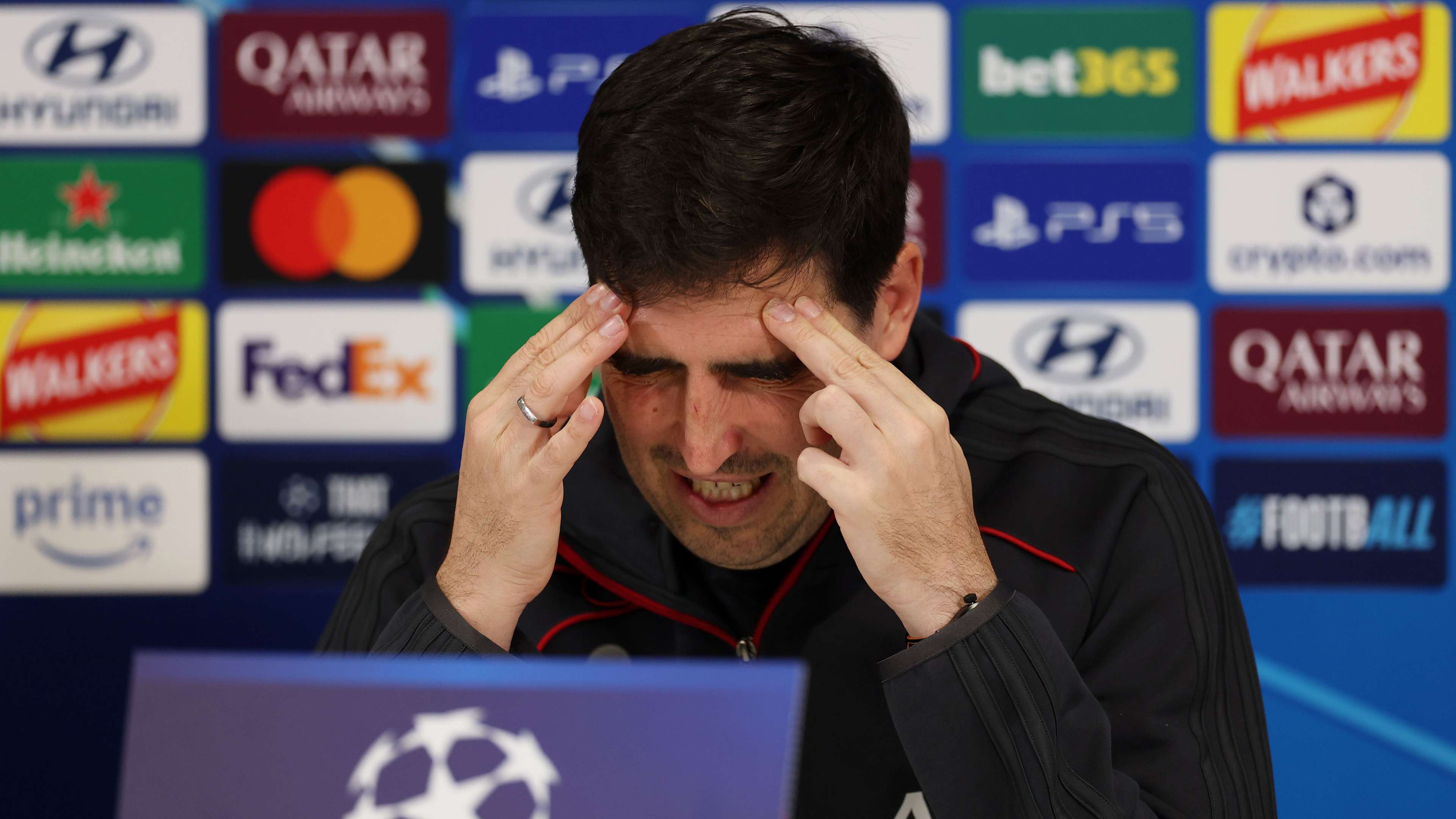
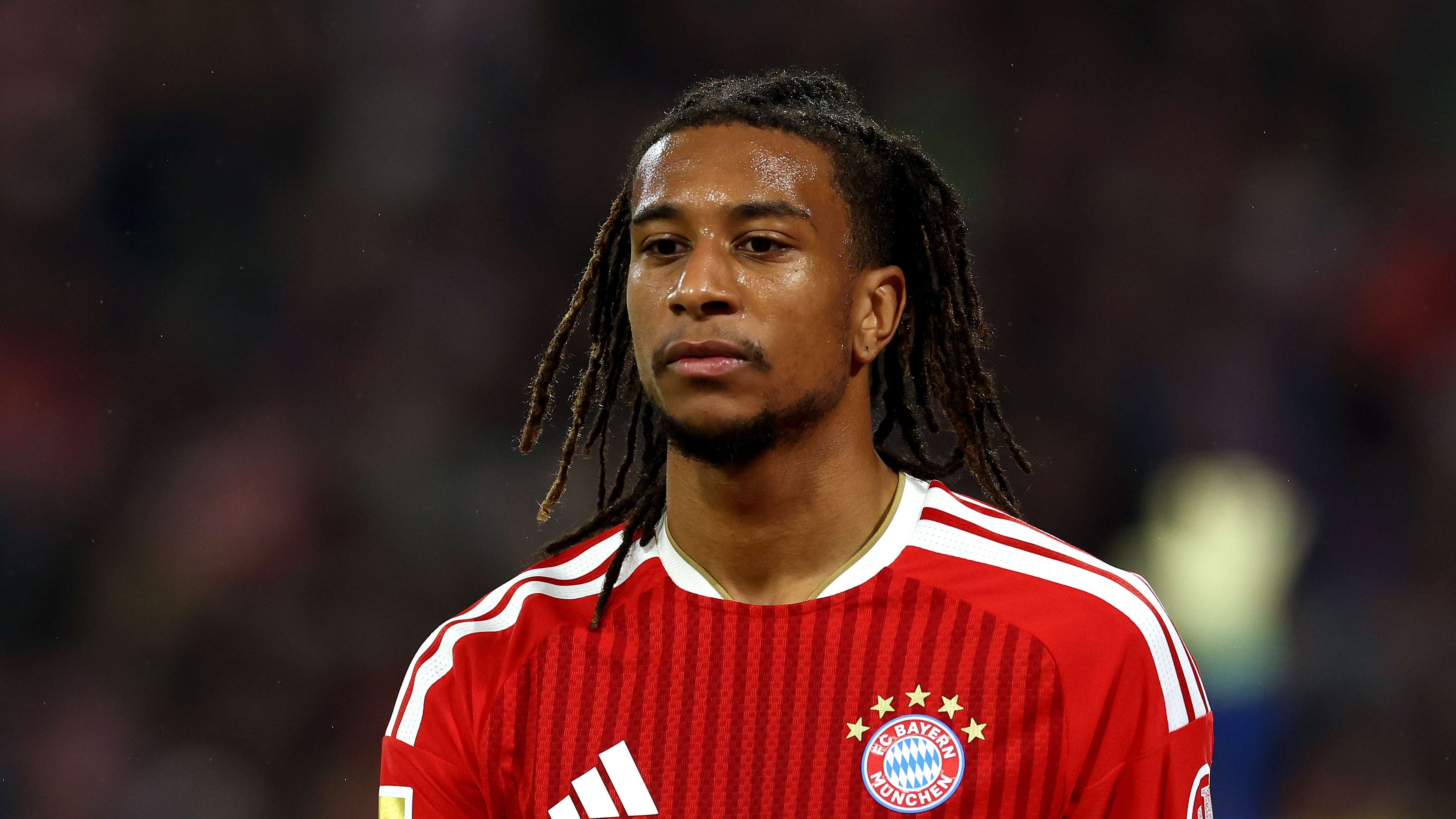
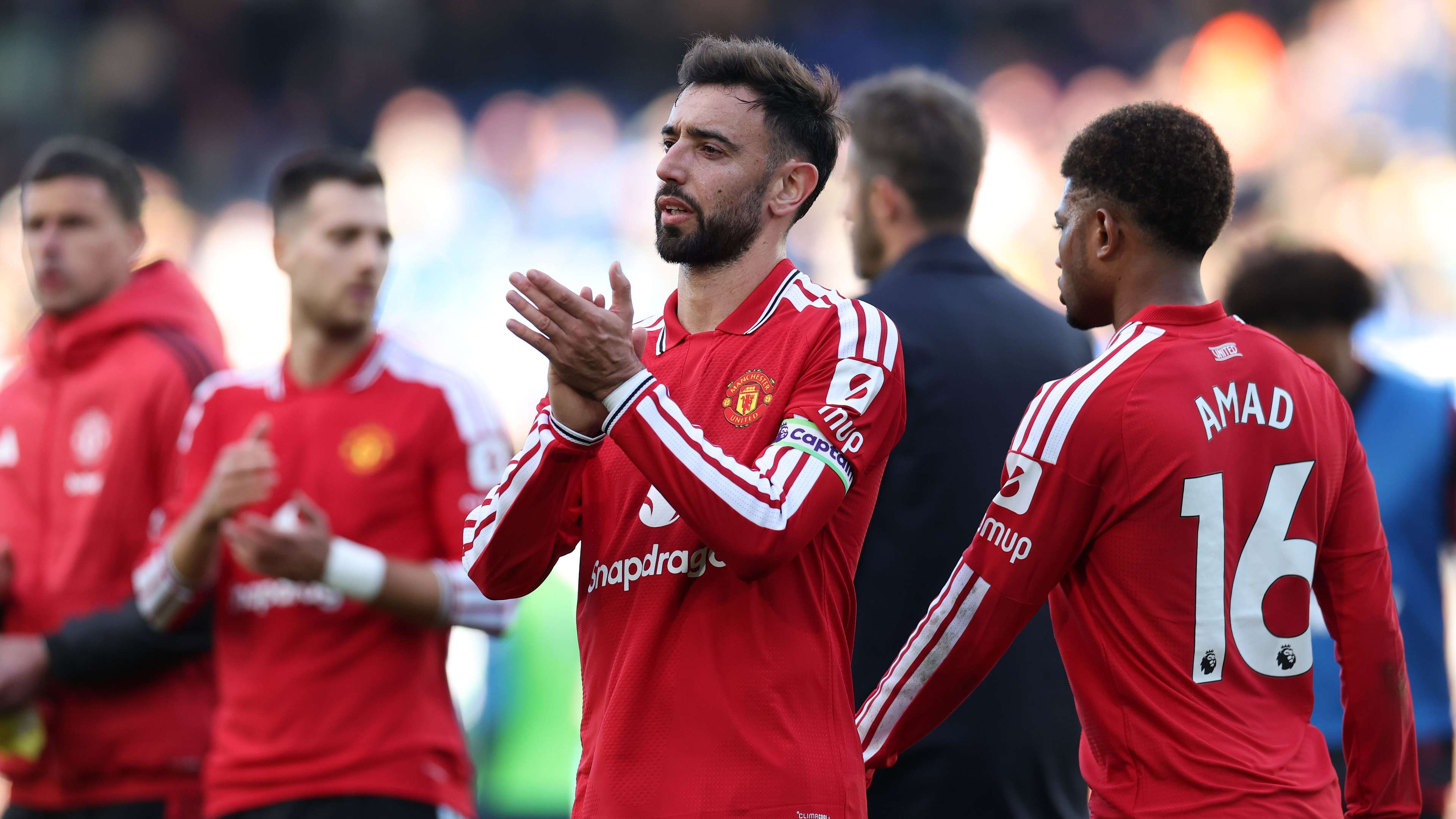
Manchester United’s problems may have extended beyond the pitch after their Champions League defeat to Atletico Madrid. Club legend and Sky Sports pundit Gary Neville says a heated argument broke out among players in the dressing room, with Lisandro Martinez and Amad Diallo at the centre of the dispute.
The reported tension followed a difficult night for United, when both players made public comments that drew attention to the club’s internal pressures. Martinez criticised the club’s summer transfer investment in a televised interview, while Amad posted an angry message on Snapchat shortly afterwards. The sequence of events prompted speculation about whether the Ivorian was supporting his team-mate—or directing his frustration at him.
Two public outbursts raise questions
Martinez’s comments about United’s transfer business were particularly striking because they came immediately after a major European defeat. The defender appeared to question whether the club had done enough to strengthen the squad, a sensitive subject for supporters who have watched the team struggle to meet expectations.
United reportedly fined Martinez over his remarks. However, the disciplinary response did not end the discussion. Within minutes of the interview being broadcast, Amad shared a message on his verified Snapchat account saying: “A bloody disgrace, I can’t find the words.” The post did not name anyone, leaving its target open to interpretation.
Manager Michael Carrick appeared to present Amad’s reaction as an expression of solidarity with Martinez. Neville, however, offered a different reading. As reported by The Sun, the former United captain believes Amad’s words may have been aimed directly at the Argentina international, rather than at the club or its leadership.
If Neville’s interpretation is accurate, the two players’ comments may have intensified an already uncomfortable moment for the squad. The disagreement would also help explain why, according to the pundit, the players later held a full dressing-room meeting to address what had happened.
Neville says the squad confronted the issue
Speaking on Sky Sports, Neville said he was certain that the team had discussed the Martinez situation internally. He described the exchange as a heated dressing-room conversation and suggested that the players had not simply moved on from the public fallout.
“I think there was a heated discussion in the dressing room, and they even held a meeting,” Neville said, adding that it was “impossible” the squad would not have addressed the issue. He argued that Amad’s post could be read as a direct criticism of Martinez, meaning both players had crossed a line in airing their emotions publicly.
Neville’s comments remain his interpretation of events; the precise meaning of Amad’s post has not been confirmed by either player. Still, the episode highlights the challenge facing a club under pressure: when frustration spills into interviews and social media, teammates and supporters alike are left trying to work out where the criticism is directed.
For a squad competing at the highest level, disagreements are not necessarily unusual. The key question is whether they remain constructive and are resolved privately. A frank conversation can clarify expectations and strengthen relationships, but public exchanges risk distracting from football and increasing scrutiny on players already dealing with demanding results.
Could conflict become a turning point?
Neville suggested the confrontation might ultimately help United, provided the players use it to establish greater honesty and accountability. He described the reported meeting as something that “can only be a good thing” for Carrick, because it may have allowed the squad to address frustrations rather than allow them to simmer beneath the surface.
He also floated the possibility that Martinez’s outburst, despite its consequences, could have served as a wake-up call. In a provocative assessment, Neville suggested the defender may even have delivered his most effective motivational speech for the club—if the comments forced the team to examine its standards and respond collectively.
That does not mean the incident should be treated as proof of a lasting change. A dressing-room meeting can be an important first step, but its value depends on what follows: improved communication, stronger performances and a more consistent response when results go against the team.
Leeds draw offers a cautious sign of character
United’s next outing provided at least one opportunity to show resilience. Carrick’s side drew 1-1 with Leeds at Elland Road on Sunday, a result that offered a competitive response after the defeat to Atletico but did not resolve the wider questions surrounding the club.
Neville urged caution when assessing the performance. “Today is just a first step, but we can’t get carried away with optimism,” he said. His message reflects the difference between a single display of determination and sustained progress across a season. United need more than a spirited reaction; they need reliable performances, clear leadership and a team capable of handling pressure without allowing frustration to dominate the headlines.
The draw may nevertheless have shown the kind of character Carrick wants to see. When a team has experienced a public disagreement, the immediate test is whether players can put personal differences aside and work for one another. United’s result against Leeds offered a modest indication of that response, though stronger evidence will come in the matches ahead.
What the dispute means for Manchester United
The episode brings several familiar issues into focus: transfer investment, player accountability and the weight of expectation at Old Trafford. Martinez’s criticism touched on the club’s recruitment, while Amad’s message—whatever its intended target—added another layer of uncertainty. Together, the comments created a narrative that United must now address through both communication and results.
For supporters searching for a prediction about what happens next, certainty is difficult. Dressing-room tension can either weaken a group or prompt a necessary reset. If Carrick can turn the reported meeting into clearer standards and better performances, the argument may be remembered as a moment that helped the squad confront its problems. If results remain inconsistent, it could instead become another sign of deeper instability.
For now, Neville’s account suggests the players have faced the issue directly. Whether that conversation marks a genuine turning point will depend on how United perform next—not on the intensity of a single meeting, but on whether the team can turn emotion into focus and deliver a sustained improvement on the football pitch.