
Artem Bondarenko Ends His Al-Ahli Goal Drought in Dramatic Al-Feiha Clash
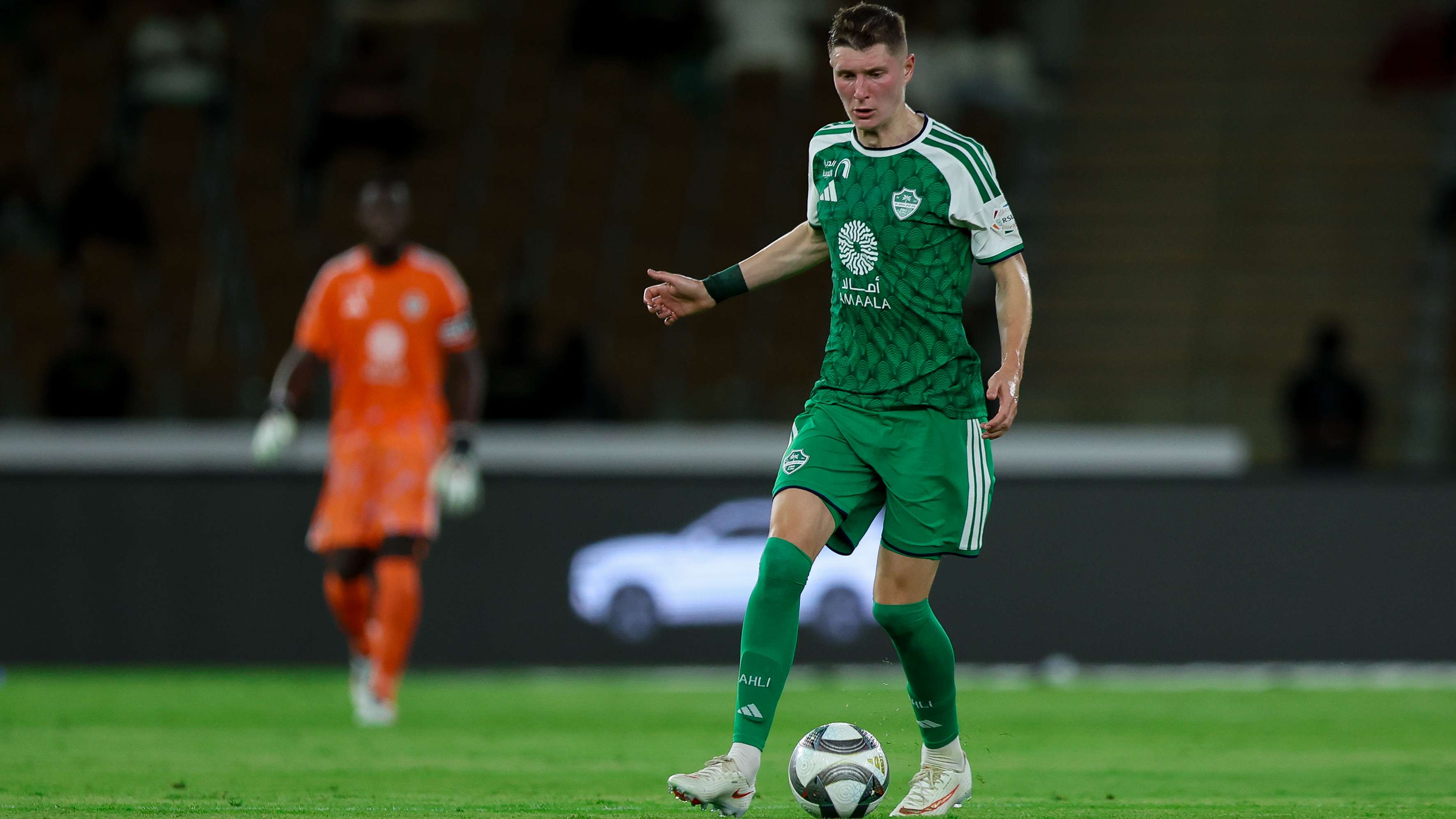
Artem Bondarenko delivered a timely response to his critics on Monday, scoring his first goal for Al-Ahli in a tense Saudi Roshn League meeting with Al-Feiha. The Ukrainian midfielder’s late first-half header gave his side a valuable breakthrough—and immediately became the focus of an angry dispute over stoppage time.
Bondarenko arrived in Saudi Arabia with high expectations, but his early performances had not yet matched the excitement surrounding his summer move. After seven appearances without a goal, questions had begun to emerge among supporters about his impact. His finish against Al-Feiha offered a welcome answer, even as the circumstances surrounding it ensured the moment was anything but straightforward.
A First Goal at a Crucial Moment
The goal came in the closing moments of the first half, when Bondarenko rose to meet a delivery and directed a header into the net. It was his first strike in an Al-Ahli shirt and a significant boost for a player who had faced mounting criticism during the opening weeks of his spell at the club.
For Al-Ahli, the goal arrived at an important point in a competitive fixture. Scoring just before the interval can alter the rhythm of a match, giving one team fresh confidence while forcing the other to reconsider its approach. Bondarenko’s contribution therefore had value beyond the scoreboard: it gave the midfielder a chance to make a decisive impression when his team needed one.
For the player himself, ending the wait for a first goal could prove equally important. Midfielders are often judged on more than scoring, with their influence measured through passing, pressing, positioning and their ability to connect defence with attack. Still, a first goal can help restore confidence and make a player more willing to take risks in the final third. Bondarenko will hope the breakthrough becomes a starting point rather than a one-off moment.
Al-Feiha Protest the Stoppage-Time Decision
The celebrations were quickly overshadowed by Al-Feiha’s objections. Their players surrounded the referee and protested that Bondarenko’s header had come after the announced period of first-half stoppage time had expired. According to the match account, two minutes had been indicated, while the goal arrived at the beginning of the third minute.
Al-Feiha’s players believed the half-time whistle should have sounded before the ball crossed the line. Their reaction reflected the frustration of conceding at a moment they considered beyond the allotted time. The incident turned Bondarenko’s long-awaited goal into a flashpoint, dividing the scene between Al-Ahli’s relief and Al-Feiha’s anger.
Stoppage time is a frequent source of debate in football because the displayed figure is generally a minimum, not an automatic deadline. Referees may allow additional time for delays that occur during the indicated period, including substitutions, injuries, disciplinary incidents or other interruptions. That does not, by itself, establish whether the decision in this match was correct; the exact sequence of events and the referee’s assessment are central to that question.
Such moments can have a considerable emotional impact. A goal just before half-time may change a team’s tactical plans, while a disputed decision can intensify pressure on officials and players alike. The controversy also risks drawing attention away from the build-up and finish—particularly for Bondarenko, whose first goal for his new club was a notable personal milestone.
What the Goal Could Mean for Bondarenko
Bondarenko’s challenge now is to build on the breakthrough. One goal cannot settle every question about a new signing, especially when expectations are high and supporters are eager to see consistent performances. But it can provide a platform for improvement and help shift the conversation from a slow start towards what he can contribute over the remainder of the season.
His role in midfield will likely be assessed through his overall influence: whether he can maintain possession under pressure, create opportunities, support defensive transitions and arrive in dangerous areas at the right time. The header against Al-Feiha showed that he can make an impact in the box, but regular involvement and reliable performances will be needed to turn the moment into lasting momentum.
For Al-Ahli, the result and Bondarenko’s confidence could both matter as the Saudi Roshn League campaign continues. A midfielder who feels more assured may offer greater creativity and composure, particularly in close matches where a single contribution can make the difference. The coaching staff will also be looking for him to translate this goal into sharper decision-making and stronger consistency.
Al-Ahli’s Next Test and the Match Prediction
Attention will now turn to Al-Ahli’s next league fixtures, with the team seeking to maintain its momentum and Bondarenko aiming to keep his place in the spotlight. The goal gives him a positive talking point, but his performance in the coming matches will be a better measure of whether he has begun to adapt fully to his new surroundings.
Any football prediction about Al-Ahli’s next outing should account for more than one dramatic finish. Team form, availability, tactical choices and the strength of the opposition all shape a match. Bondarenko’s first goal may improve the mood around him, but it does not guarantee another immediate scoring contribution. A more measured expectation is that he will look to carry the confidence from this match into his midfield work and continue earning the trust of supporters.
For now, Bondarenko has achieved two things in one evening: he opened his Al-Ahli account and gave his critics a reason to pause. Yet the goal’s timing ensured that the story was not simply about a player finding his feet. It was also about a contentious stoppage-time decision that left Al-Feiha furious. Whether the incident is remembered chiefly as Bondarenko’s breakthrough or as a refereeing controversy, it provided one of the most dramatic moments of the match.