
Vitinha Predicts a Champions League Classic as PSG Prepare to Face Barcelona
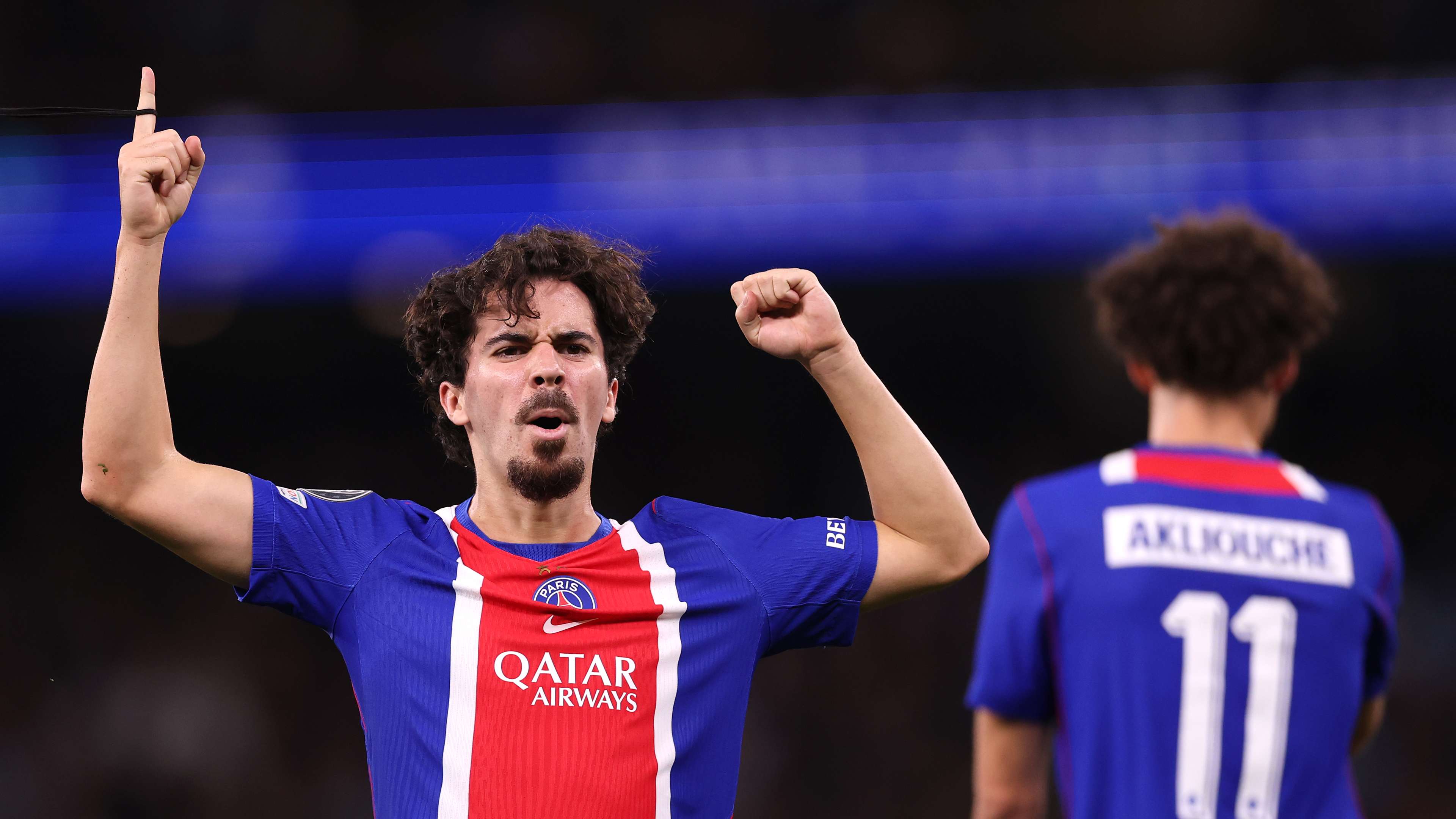
Paris Saint-Germain midfielder Vitinha believes the stage is set for a memorable Champions League encounter when his side meet FC Barcelona at the Parc des Princes. With two teams renowned for their technical quality and desire to control possession, the Portuguese international expects a tactical contest that could captivate football fans well beyond Paris and Barcelona.
Vitinha’s confidence reflects the scale of the occasion. PSG and Barcelona are among Europe’s most recognisable clubs, and their meetings carry a history of dramatic moments, ambitious attacking play and intense scrutiny. This latest showdown offers another opportunity for both sides to demonstrate how their footballing identities can shape a high-stakes European tie.
Two possession-minded teams, one tactical test
At the heart of Vitinha’s prediction is the prospect of a battle for control. PSG and Barcelona both value keeping the ball, using short passing combinations and moving opponents out of position before looking for openings. That shared approach could produce long spells of possession, but it does not necessarily mean a slow or predictable match.
When two teams want to dictate the tempo, every pass can carry tactical significance. Pressing triggers, midfield positioning and the timing of runs may determine which side can turn possession into genuine danger. A misplaced pass in a crowded central area could quickly invite a counterattack, while a successful escape from pressure might create space for a decisive forward move.
For Vitinha, the challenge is likely to involve more than simply completing passes. PSG’s midfielders must offer reliable options, protect the defence when possession is lost and help advance the ball under pressure. Barcelona, meanwhile, will aim to use its own technical strengths to disrupt PSG’s rhythm and establish control in key areas of the pitch.
Luis Enrique’s influence on PSG’s approach
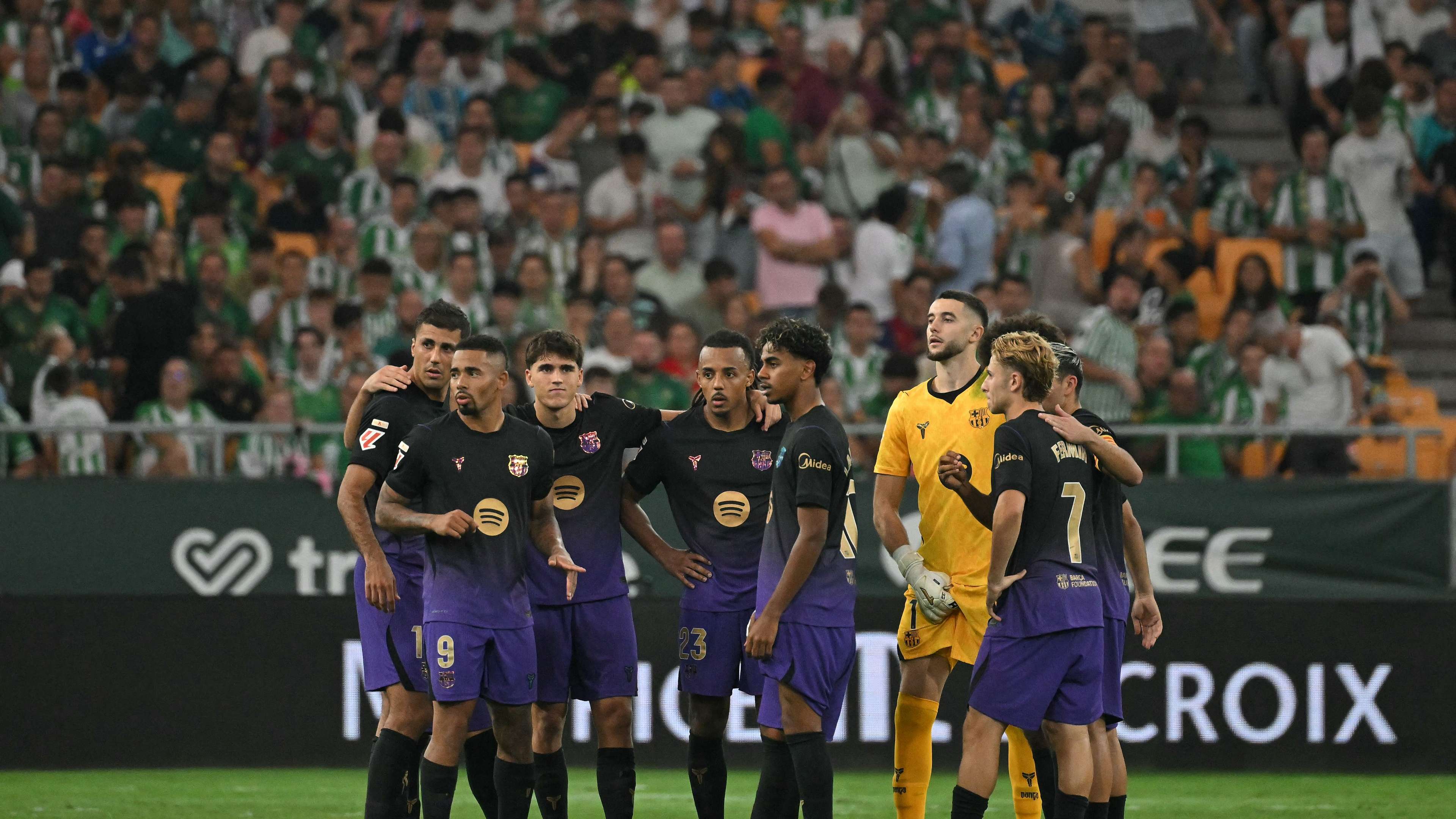
Vitinha’s view is backed by PSG manager Luis Enrique, whose coaching career has been closely associated with possession-based football and an emphasis on intelligent movement. His familiarity with Barcelona adds another layer to the build-up, even as his immediate task is to prepare PSG to impose their own plan at the Parc des Princes.
For the home side, the balance between ambition and discipline will be crucial. PSG will want to attack with purpose, but committing too many players forward could leave space for Barcelona to exploit. The team’s ability to react quickly after losing the ball may therefore be just as important as its attacking combinations.
Vitinha could have a central role in that balancing act. Comfortable receiving the ball in tight spaces, the midfielder can help PSG connect defence with attack and keep the team moving when Barcelona apply pressure. His decision-making may influence whether PSG can play through the press, switch the direction of attack or slow the game down when necessary.
Why the Parc des Princes could matter
Playing at home gives PSG a familiar setting and the backing of a passionate crowd. The atmosphere at the Parc des Princes can add energy to a European night, particularly if the hosts make an assertive start. Early pressure could encourage PSG to attack with confidence, while a strong response from Barcelona could quickly test the home side’s composure.
Home advantage, however, does not guarantee control. Barcelona’s experience in major European matches means the visitors are unlikely to be unsettled by a lively stadium. PSG will need to turn the crowd’s energy into focused performance rather than allow the occasion to encourage rushed decisions or overly aggressive pressing.
The opening stages may reveal how both managers intend to approach the contest. A cautious start could point to a priority on limiting risk, while an immediate high press would suggest that one side is determined to seize control early. Either way, the first goal could significantly change the tactical picture by forcing the team behind to take greater risks.
Key factors that could decide the match
Several details could determine whether Vitinha’s prediction of a classic becomes reality. The first is midfield control: whichever team finds a way to receive and progress the ball consistently may be able to dictate where the match is played. The second is pressing. Both sides will need to decide when to close down aggressively and when to preserve their shape.
Transitions could be equally important. Possession-focused teams often commit numbers forward, which can leave space behind their midfield if an attack breaks down. Quick reactions after turnovers may create some of the clearest chances of the night. Defensive concentration, therefore, will be vital even during periods when a team appears to be dominating the ball.
Individual quality can also change a close contest. A sharp first touch, an unexpected pass between the lines or a well-timed run may unlock a defence that has otherwise stayed compact. In matches between technically gifted teams, small moments can matter more than overall possession statistics.
Champions League prediction: a close contest with attacking potential
Any football prediction for a meeting of this scale comes with uncertainty. PSG’s home advantage and Vitinha’s confidence suggest the hosts will believe they can take the initiative, while Barcelona’s technical identity gives them the tools to challenge for possession and create danger of their own. The matchup appears well suited to a close, high-quality contest rather than a straightforward result.
The most compelling scenario is a game in which neither side can dominate for the full 90 minutes. PSG may enjoy strong spells in front of their supporters, but Barcelona could respond by slowing the tempo, drawing pressure and looking for openings in transition. A tight scoreline would keep both teams engaged in the tactical battle and make late decisions especially consequential.
Vitinha’s comments capture the appeal of the fixture: two ambitious teams, a major European stage and contrasting ways of trying to control the same game. If both sides execute their plans while allowing their attacking talent room to influence proceedings, the Parc des Princes could host the kind of Champions League night that lives up to the occasion.
For supporters, the central question is not simply which team will have more possession. It is whether either side can convert control into clear chances without losing defensive balance. That contest between patience, pressure and precision is what gives PSG versus Barcelona the ingredients for a genuine European classic.