
Marocchi Questions Juventus’ Direction After Heavy Lazio Defeat
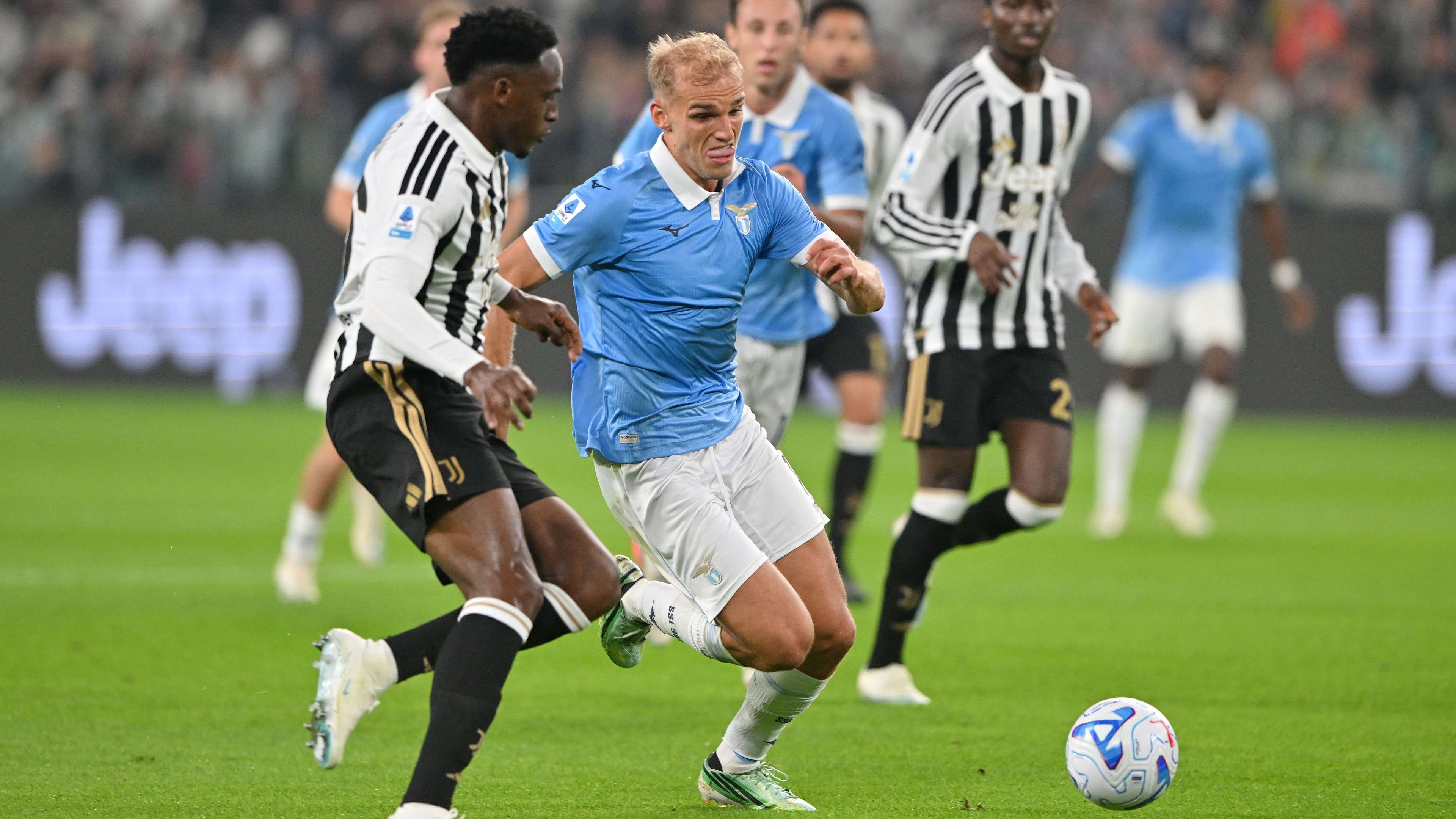
Juventus’ 3-0 home loss to Lazio has intensified questions about the team’s performances, tactical organisation and ability to respond under pressure. Former Juventus midfielder and television pundit Giancarlo Marocchi offered a blunt assessment after the match, arguing that the players and head coach Luciano Spalletti must find a clearer way to work together if the Bianconeri are to improve.
Speaking in the Sky studio, Marocchi suggested that Juventus’ display raised concerns about whether the squad was carrying out Spalletti’s instructions effectively. His criticism was not simply about the result: he pointed to a broader lack of balance and structure, particularly in the transition from midfield into attack.
Marocchi: Juventus Must Show More Control
Marocchi said he hoped the players were not following Spalletti’s instructions exactly as he intended, because that would indicate an even deeper problem with the team’s approach. In his view, the coach may need to communicate his ideas more clearly so the players can translate them into stronger performances on the pitch.
His comments followed a match in which Lazio appeared to impose the pace and intensity of the contest. Marocchi noted that both sides played at a high tempo during the opening 20 minutes, but argued that Juventus should have been the team dictating how the game unfolded. A club with Juventus’ history and expectations, he said, should be able to take control rather than simply react to an opponent’s preferred style.
That issue is particularly important in high-pressure football. When a team cannot slow a match down, retain possession or change its rhythm, it can become vulnerable to opponents who are more decisive in pressing and attacking space. Against Lazio, Juventus struggled to establish the kind of authority Marocchi believes should be expected from a side with ambitions of competing at the top level.
Questions Over Juventus’ Midfield-to-Attack Balance
Marocchi also questioned whether Spalletti has found the right balance, especially from midfield forward. Juventus, he said, appear to create opportunities in an inconsistent way, rather than through recognisable attacking patterns. That can make a team difficult to predict for its own players as well as for the opposition: without reliable combinations, runs and passing options, promising attacks may break down before they become clear chances.
For supporters assessing Juventus’ prospects, this is a key concern. A single defeat can be explained by mistakes, poor finishing or an opponent’s strong performance. But repeated uncertainty in possession and a lack of coordinated movement may point to a more persistent tactical challenge. A successful football prediction about Juventus’ next run of results will therefore depend not only on individual quality, but also on whether the team can build a more consistent structure.
Improved organisation does not necessarily mean restricting creativity. Instead, it can give creative players a clearer framework: midfielders know where support is available, forwards can time their runs with greater confidence, and the team can move the ball forward without relying on improvised moments. Marocchi’s criticism suggests that Juventus are not yet showing enough of that collective understanding.
Experienced Players Must Take Responsibility
Marocchi’s analysis also placed responsibility on the squad. He acknowledged that players take the field to carry out the manager’s plan, but argued that experienced footballers must also use their judgement when they recognise that something is not working. In his view, Juventus have not shown enough evidence of players stepping forward to organise their teammates and change the course of a difficult match.
That leadership can take many forms. A captain or senior midfielder may slow the tempo, encourage the team to hold its shape, or help identify where the opposition is finding space. These adjustments do not replace coaching instructions; they help a team respond to what is happening in real time. When a side lacks that on-field direction, problems can continue even when the players understand the original game plan.
Marocchi also referred to the traditional importance of Italian players in taking responsibility for a team’s organisation. His point was that leadership and tactical awareness have long been valued qualities in Italian football. Juventus, he suggested, need individuals who can recognise when the match is slipping away and help restore order instead of waiting for someone else to intervene.
Spalletti Faces a Communication Challenge
The former midfielder’s remarks place Spalletti at the centre of the debate, but they do not reduce the issue to the coach alone. A manager can prepare a strategy and communicate specific roles, yet the team’s response ultimately depends on how well those ideas are understood and applied. Marocchi’s conclusion was that Spalletti must make himself understood, particularly because he believes the players have not been able to correct the team’s problems independently.
For Juventus, the next step is to turn criticism into practical improvements. That means establishing clearer attacking patterns, improving the connection between midfield and the forward line, and showing greater composure when opponents attempt to dictate the tempo. It also means identifying leaders who can keep the team organised during difficult spells.
What the Defeat Means for Juventus
A 3-0 loss at home is a significant setback, but its longer-term meaning will depend on how Juventus respond. The result has sharpened scrutiny of Spalletti’s tactical approach and the squad’s ability to execute it. It has also raised a broader question: can Juventus regain control of matches, or will they continue to rely on scattered chances and individual moments?
Marocchi’s verdict offers no simple prediction for what comes next. Instead, it highlights the factors that could shape Juventus’ recovery: clearer communication from the coach, stronger collective movement and more visible leadership from experienced players. Until those elements improve, the team may struggle to turn its talent into consistent performances.
For Juventus supporters, the challenge now is to look beyond the scoreline and watch for signs of progress in the team’s structure. Better control of the tempo, more purposeful attacking combinations and a stronger response when plans go wrong would provide reasons for optimism. Without those changes, Marocchi’s concerns about Juventus’ balance and organisation are likely to remain central to the conversation around the club.