
Mourinho’s tactical surprises give Real Madrid momentum before Barcelona clash
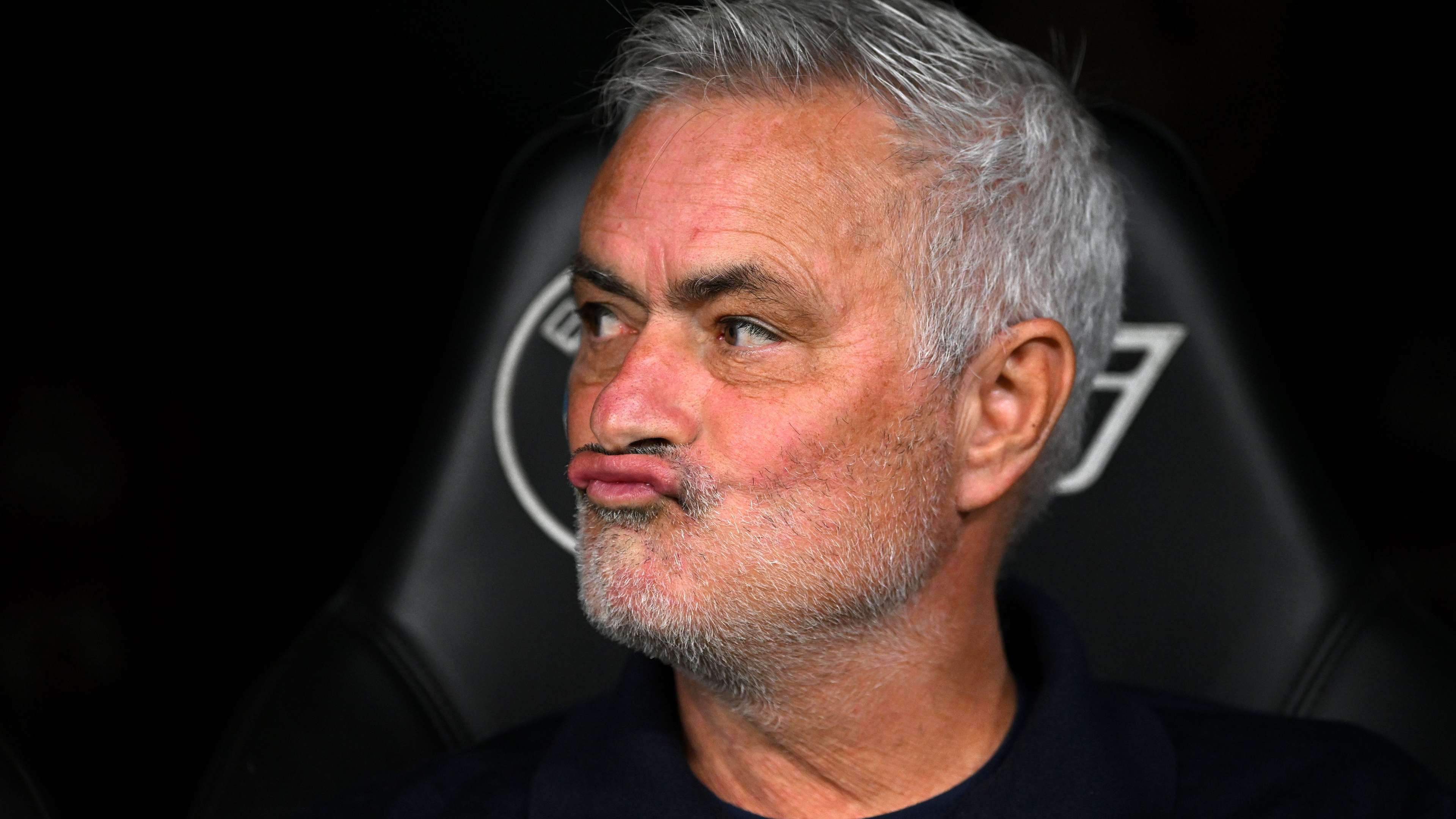
José Mourinho has made an immediate impact on Real Madrid, guiding the team to two consecutive victories and eight goals ahead of one of the biggest fixtures on the La Liga calendar. Through bold selection decisions and timely changes from the touchline, the Portuguese coach has offered Los Blancos fresh solutions in midfield and attack—and raised expectations before their eagerly anticipated meeting with Barcelona.
Reports in the Spanish press have highlighted Mourinho’s influence during Real Madrid’s Champions League comeback against Roma and their emphatic 4-1 win over Sevilla. The results were important in their own right, but the way they were achieved has also given supporters reason for optimism. Mourinho has shown a willingness to adjust his plans to suit the demands of each match rather than rely on a fixed formula.
Valverde’s move to right-back strengthens the defence
One of the most striking decisions against Sevilla was the deployment of Federico Valverde at right-back. The Uruguay international is usually valued for his energy and influence in midfield, where his partnership with Aurélien Tchouaméni can provide Real Madrid with power and balance. Moving him into defence therefore represented a significant change.
The switch addressed a problem on the right side of the back line, where previous options had not consistently delivered the stability Mourinho wanted. Valverde’s pace, work rate and ability to cover ground gave the team a more dependable presence in the position, while his comfort on the ball helped Real Madrid build attacks from deep.
There was a trade-off: moving Valverde out of midfield meant the coach had to find another way to maintain control in the centre. Mourinho’s answer was to give Arda Güler a more withdrawn role, asking the young Turkish playmaker to contribute from deeper areas rather than operate only close to the opposition box.
Güler brings creativity from a deeper position
Güler’s starting role was another surprise. The midfielder is often associated with attacking spaces and producing moments of invention near goal, but Mourinho trusted him to help shape Real Madrid’s play from a deeper position. The decision reflected a desire for more creativity and sharper distribution in the middle of the pitch.
Against Sevilla, the experiment produced an encouraging return. Güler helped add a different dimension to the midfield and scored Real Madrid’s opening goal, giving the team an early breakthrough. His performance also suggested that he could offer value in more than one role—a useful quality for a squad facing a demanding run of domestic and European fixtures.
For Mourinho, tactical flexibility can be especially important against opponents who press aggressively or crowd the centre of the field. A midfielder capable of receiving the ball under pressure and moving it forward quickly can help a team escape that pressure and create space for its attackers.
Diomande seizes his opportunity on the left
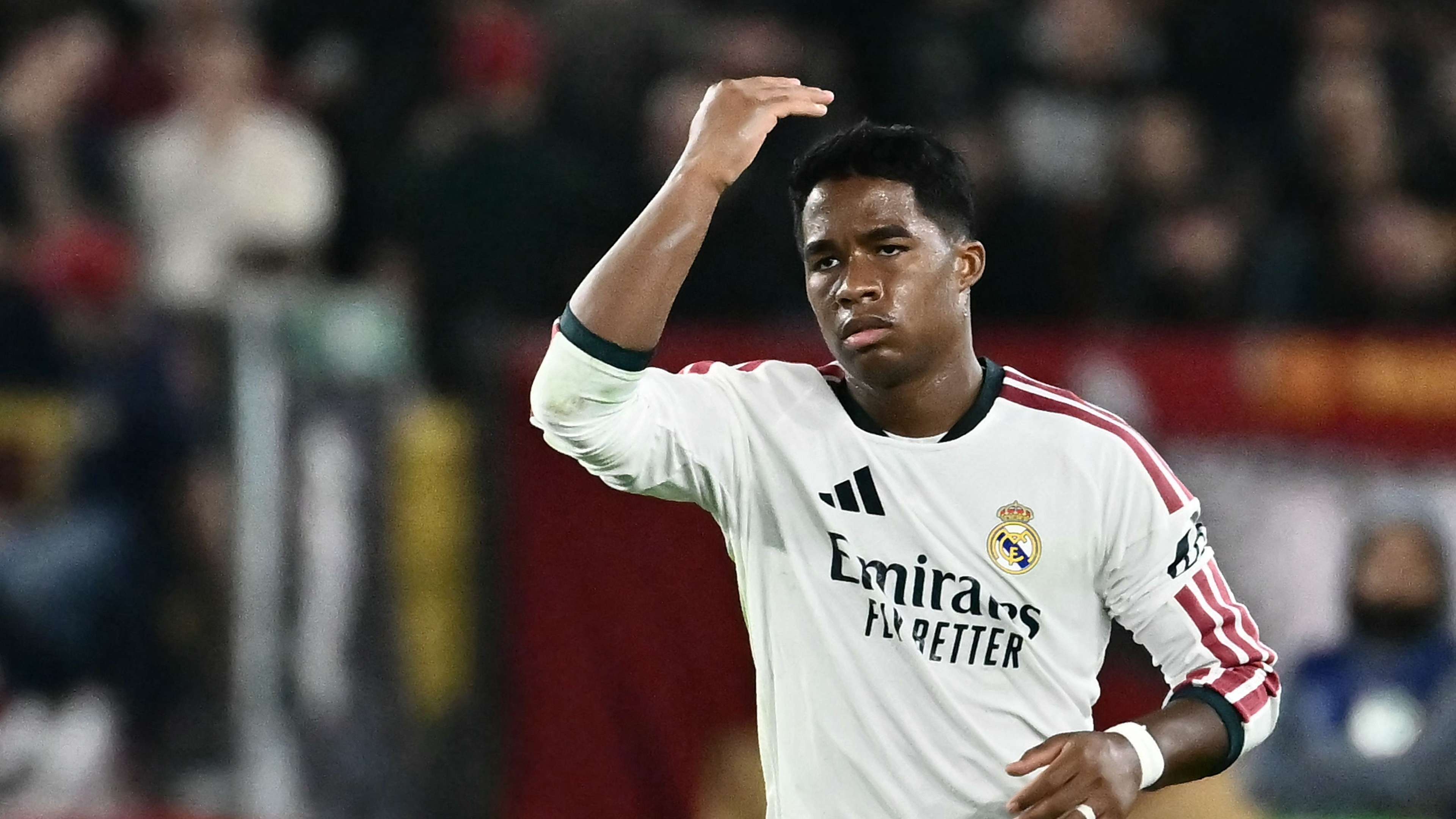
Real Madrid also found an unexpected spark on the left wing. Vinícius Júnior’s suspension opened the door for Yan Diomande, and the young attacker responded with a lively display. His direct dribbling and willingness to take on defenders gave the team a different source of danger in the final third.
Diomande scored against Sevilla and supplied an assist, extending a productive run that had begun in the Champions League match against Roma, where he also set up a goal. That contribution is significant for a squad that cannot depend on one player to provide all of its width, pace and attacking invention.
His performances give Mourinho another option as he considers how to balance the forward line. Even when established stars are available, an in-form alternative can create healthy competition and allow the coach to tailor his selection to the opponent. Against Barcelona, Diomande’s ability to carry the ball and attack space could be especially useful if Real Madrid look to exploit openings behind the defence.
Touchline changes turn the Roma match around
Mourinho’s influence was just as clear during the Champions League clash with Roma. Real Madrid fell two goals behind, leaving the coach with a difficult choice: preserve the original structure or take a greater risk in search of a comeback. He chose to reshape the side and add more attacking options, including Endrick and Asencio.
The changes helped transform the match. Güler moved back into midfield, Valverde shifted to right-back and Bernardo came on for Tchouaméni. The revised setup gave Real Madrid additional attacking energy and changed the balance of the contest. The team pushed forward with greater urgency and completed its comeback with two goals in the final ten minutes.
That response offered a reminder of why in-game management matters so much in elite football. A tactical adjustment cannot guarantee a result, but the right intervention can alter a team’s rhythm, create new passing routes and force an opponent to defend unfamiliar threats. Mourinho’s decisions against Roma showed that he was prepared to act decisively when the match demanded it.
Barcelona provides the next major test
Real Madrid’s recent wins have strengthened the mood around the club, but the upcoming El Clásico will provide a far more demanding measure of their progress. Barcelona are the La Liga leaders, and a victory for Madrid would give them an opportunity to reduce the gap at the top of the table. The result could also shape the confidence and momentum of both teams as the season develops.
The tactical questions will be compelling. Mourinho must decide whether Valverde’s right-back role is the best way to secure the flank, whether Güler should again be trusted in a deeper midfield position and how to use the pace of Diomande alongside Real Madrid’s more established attackers. Barcelona’s approach will influence those choices, particularly if they attempt to dominate possession or target space on the wings.
For supporters assessing the football prediction ahead of the fixture, Real Madrid’s recent form provides encouraging evidence, but it does not make the outcome certain. Barcelona’s position at the top of the league underlines the scale of the challenge, while the intensity and history of El Clásico often make pre-match expectations difficult to trust. Madrid’s best route to victory may depend on the same qualities Mourinho has recently brought to the fore: adaptability, disciplined defending and bold decisions at decisive moments.
The Portuguese coach has already shown that he is willing to surprise opponents—and his own team—when he believes a change can improve the balance of the side. His first two victories have delivered goals, points and tactical intrigue. Now, against Barcelona, Mourinho’s ability to read the match and make the right intervention could prove just as important as the starting line-up.