
PSG’s Penalty Concerns Grow as Luis Enrique Searches for a Reliable Specialist
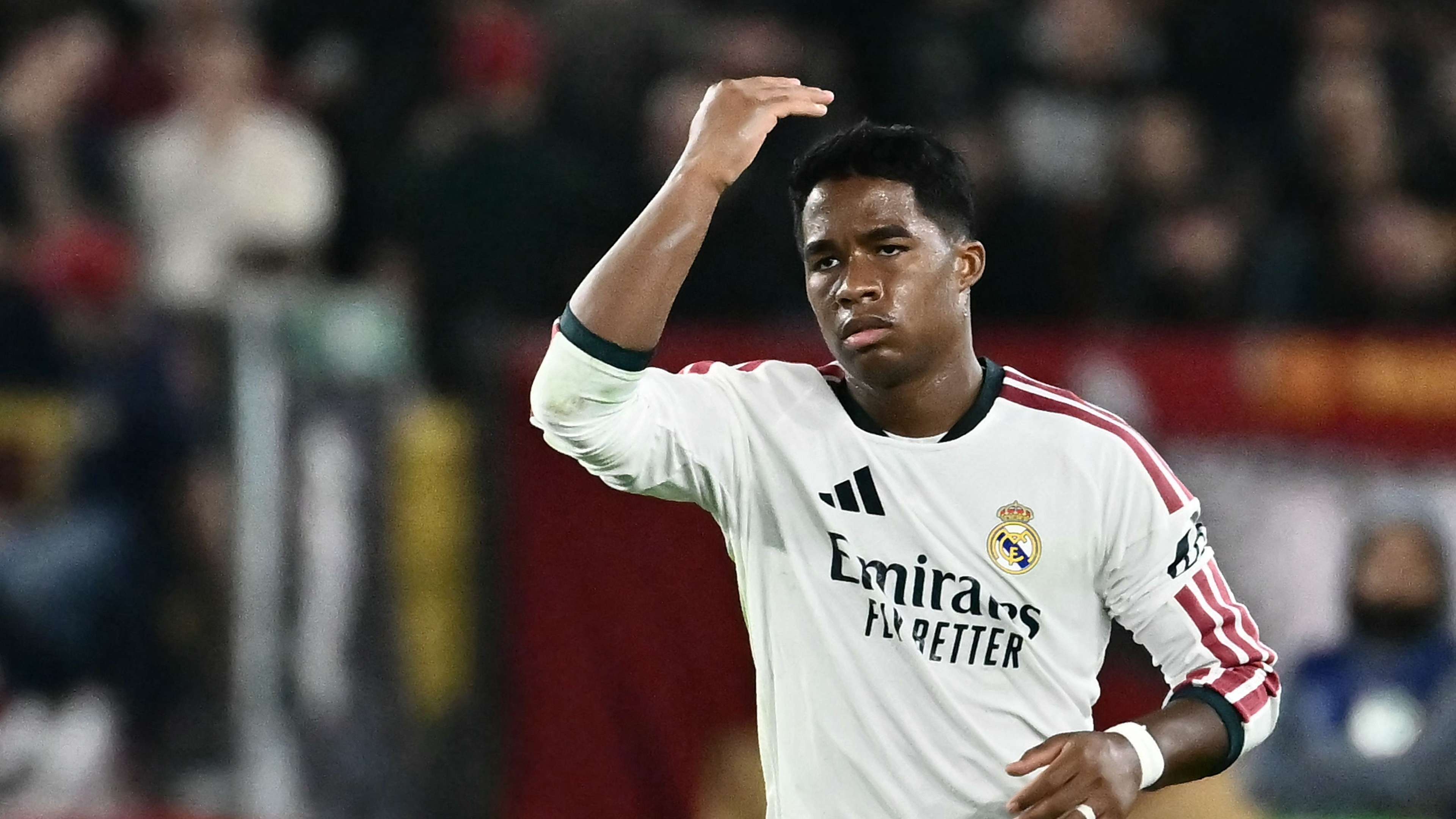
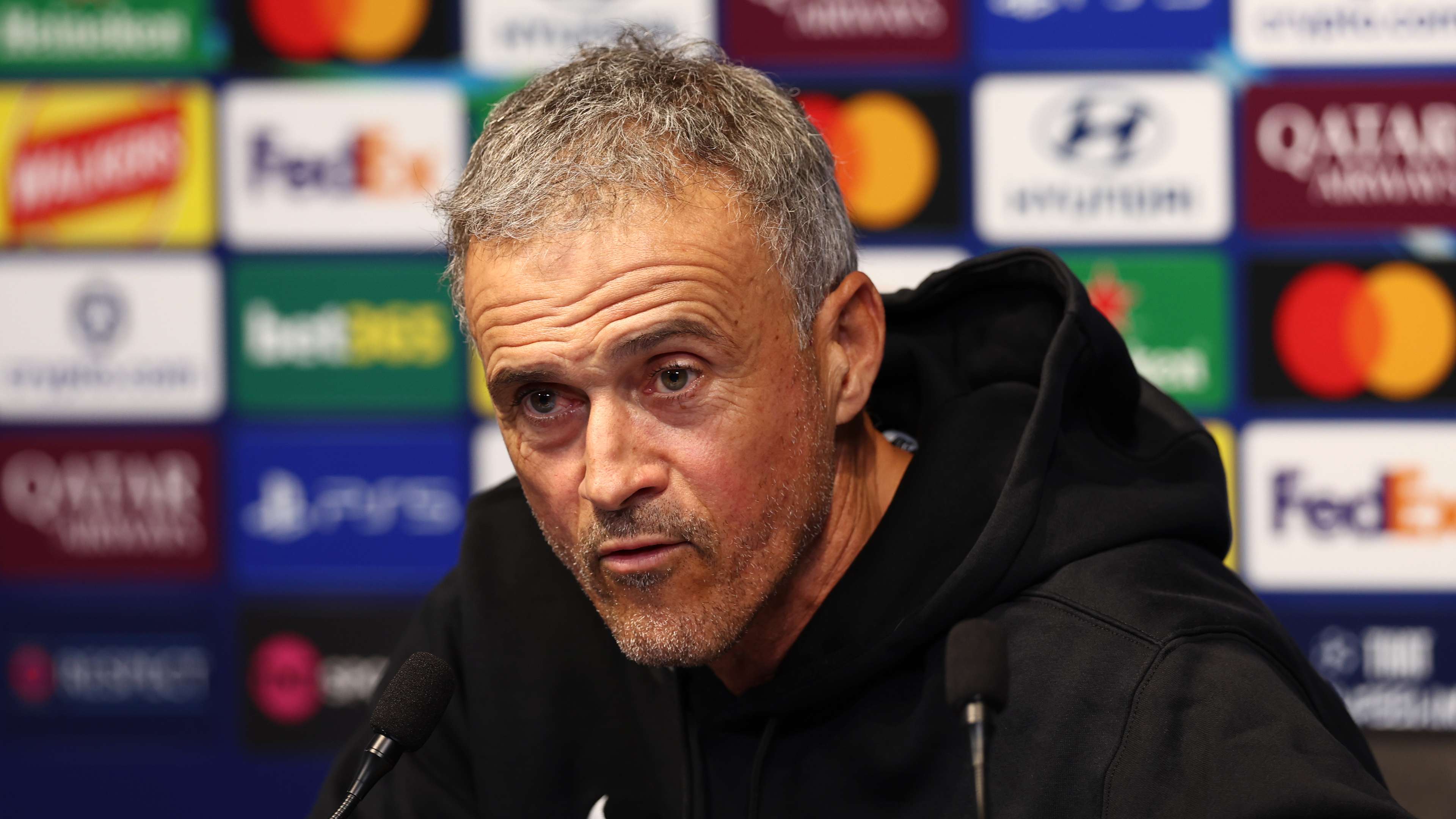
Paris Saint-Germain manager Luis Enrique has acknowledged that his side does not currently have a clearly established penalty specialist, after several recent misses from the spot raised questions about the club’s approach. Ousmane Dembele, Ferran Torres and Desire Doue have each failed to convert penalties in recent weeks, turning what is usually a routine opportunity into a growing concern for the French champions.
The issue arrives at a demanding point in the season, when matches can be decided by narrow margins and one penalty may determine the outcome of a league contest or a high-stakes European tie. For PSG, improving from the spot is not simply a matter of confidence. It also involves deciding who should take responsibility, preparing alternatives and ensuring that pressure does not disrupt the team’s wider attacking rhythm.
Recent Misses Put the Spotlight on PSG’s Penalty Plan
Penalty failures are an unavoidable part of football, even for elite attackers. Goalkeepers study their opponents, pressure builds in the moments before a kick, and small changes in technique can have a decisive effect. However, a cluster of missed attempts naturally invites scrutiny—particularly when several players have shared the responsibility without establishing a dependable record.
Dembele, Torres and Doue bring different qualities to PSG’s attack, but their recent difficulties have left Luis Enrique without an obvious, undisputed choice. A team can benefit from having several capable penalty takers, yet a rotating arrangement may also create uncertainty if players are not sure who is expected to step forward in a crucial moment.
That uncertainty matters because a penalty is as much a test of composure as technique. The taker must make a clear decision, execute it under intense pressure and resist the temptation to change plans at the last second. Establishing a first-choice option can help create consistency, while a carefully chosen backup ensures the team is prepared if the primary taker is unavailable or substituted.
What Luis Enrique’s Admission Reveals
By admitting that PSG lack a true specialist, Luis Enrique has brought attention to a practical weakness rather than simply blaming individual players. A missed penalty can be the result of a good save, a poor strike or a moment of hesitation. The more important question for a coach is whether the team has a repeatable process that gives the taker the best possible chance of success.
That process can include regular practice, clear selection criteria and detailed analysis of both the taker and opposing goalkeeper. Coaches may review a player’s preferred placement, run-up and response to pressure, while also studying how goalkeepers position themselves and react to particular cues. Such preparation cannot guarantee a goal, but it can help players approach the spot with a defined plan.
For PSG, the challenge is to improve without allowing the issue to become a distraction. Public discussion of missed penalties can increase pressure on the next player selected, especially if the team’s choice appears unsettled. Luis Enrique will need to balance accountability with confidence, reminding his attackers that one failure does not define their ability while still addressing the technical and tactical details that contributed to the recent results.
Why Penalties Could Matter in PSG’s Biggest Matches
PSG’s ambitions mean that the club is often judged by its performances in decisive fixtures. In close games, a penalty can offer a valuable route to goal, but it can also become a psychological turning point. Converting from the spot may lift a team and unsettle an opponent; missing can shift momentum, energise the goalkeeper and increase pressure on the side that had the opportunity.
That is especially relevant in knockout football, where there may be little time to recover from a missed chance. A penalty during normal play can change the shape of a match, while a shootout demands that several players remain composed in a highly exposed situation. Although a shootout is different from a penalty during open play, a team’s preparation and confidence from the spot can still influence how players respond when the stakes rise.
For supporters following every fixture, the situation adds an intriguing subplot to PSG’s campaign. The team may continue to create chances through its pace, movement and attacking depth, but fans will be watching to see whether the coaching staff identifies a dependable taker before the next major test. The club’s response could be as important as the misses themselves.
How PSG Could Find a More Reliable Solution
One option is to appoint a regular first-choice penalty taker and make the hierarchy clear to the squad. A settled selection can reduce hesitation, provided the player has the confidence and technique to handle the role. PSG could then identify a second-choice taker and establish straightforward rules for unusual situations, such as when the designated player has been substituted or is not on the pitch.
Another approach is to assess candidates using more than reputation. Training performance, past conversion rates, composure and consistency of technique can all contribute to the decision. A player who is comfortable taking penalties in practice may still face a different challenge in front of a packed stadium, so preparation should include realistic pressure and a clear routine rather than relying on repetition alone.
There is also a benefit in keeping the task simple. A taker who changes direction at the last moment or overthinks the goalkeeper’s movement may lose the advantage of a confident, committed strike. Establishing a preferred target, maintaining a consistent run-up and practising how to respond when a goalkeeper waits or moves early can help reduce uncertainty.
PSG Penalty Prediction: A Test of Confidence and Preparation
For now, any prediction about PSG’s next penalty taker remains uncertain. Luis Enrique’s comments suggest that the club may need to review its options, but they do not confirm that a permanent decision has been made. The next opportunity from the spot could therefore reveal whether PSG has settled on a clear leader or is still sharing responsibility among its attacking players.
The wider outlook is not necessarily bleak. Dembele, Torres and Doue are talented footballers, and a run of missed penalties does not erase their ability to contribute in other areas. With focused practice, a transparent selection plan and support from the coaching staff, PSG can turn a recurring concern into a manageable part of its preparation.
Still, the timing makes the issue worth monitoring. As crucial fixtures approach, PSG will want its attackers to feel confident rather than burdened by recent results. Finding a reliable penalty specialist—or at least a well-defined system—could provide the team with greater certainty when the next decisive moment arrives. In a season shaped by fine margins, that confidence may prove valuable well beyond the penalty spot.