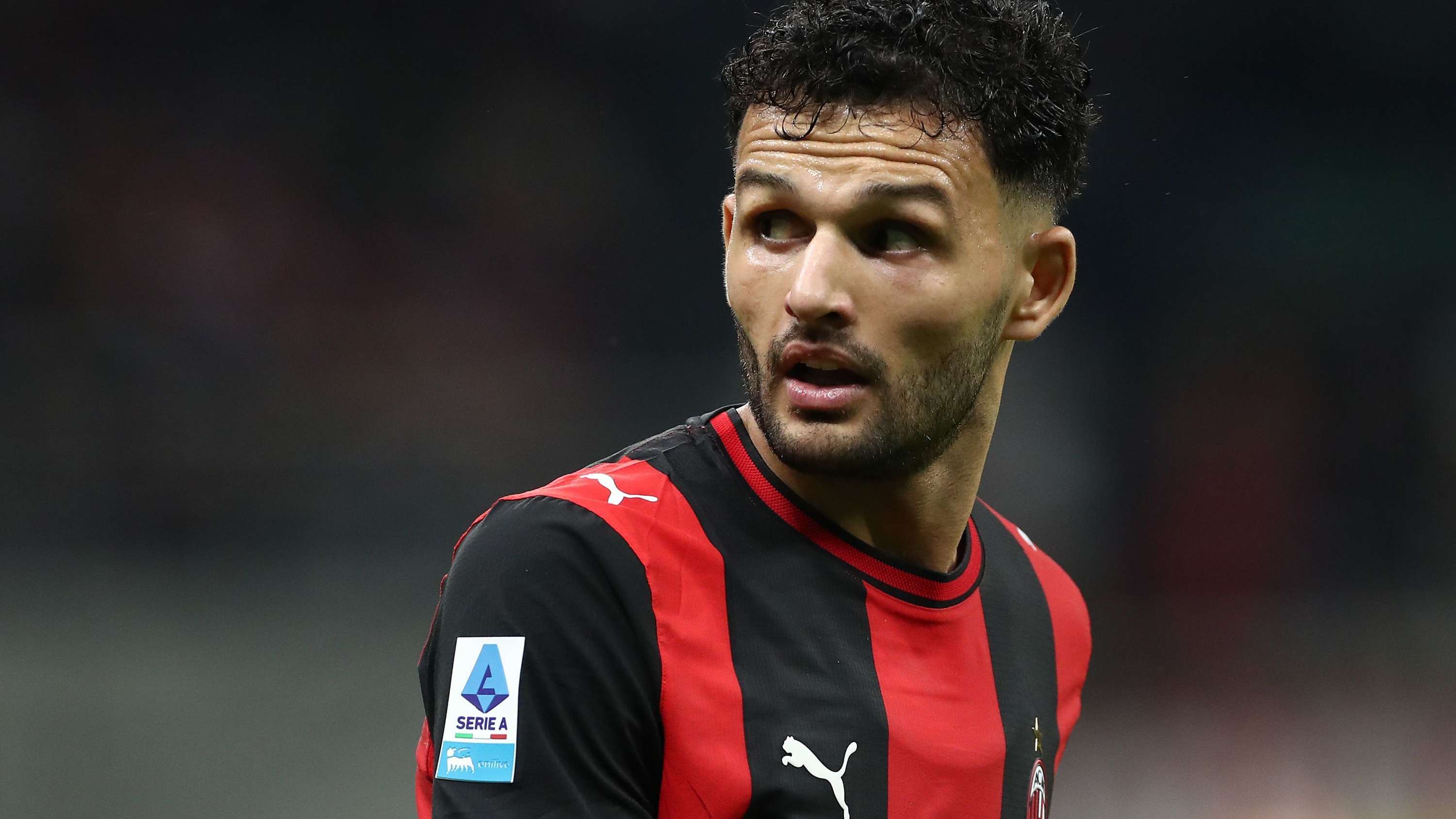

Gonçalo Ramos Explains His Penalty Decisions After Milan’s 3-2 Win Over Atalanta
AC Milan striker Gonçalo Ramos offered a candid explanation of his penalty decisions after the Rossoneri edged Atalanta 3-2 in a lively Serie A encounter. Speaking at the post-match press conference, Ramos was asked about the spot-kick sequence and the thinking behind his approach against the Atalanta goalkeeper.
The match, played during the seventh round of the Serie A season, delivered the kind of drama that makes Italian football so compelling: momentum shifts, high-pressure moments and a narrow final margin. Milan ultimately secured all three points, but the penalty exchanges became one of the game’s most discussed talking points.
Ramos on the Penalty Mind Games
Ramos described how he approached the two penalty situations, explaining that he tried to read the goalkeeper rather than rely on a fixed routine. On the first attempt, he paused and watched for the keeper’s movement before making his decision. For the second, he expected the goalkeeper to anticipate another stop and adjusted his plan accordingly.
“For the first penalty, I stopped and looked at the goalkeeper. For the second, I wanted to change because I thought he would wait for me to stop. He didn’t, so hats off to him,” Ramos said.
The striker’s comments highlighted the split-second calculations involved in taking a penalty. A taker must balance placement, power and composure while also trying to interpret the goalkeeper’s body language. At the same time, the keeper is studying the shooter’s habits, run-up and timing. Even a small change in rhythm can influence the outcome.
Why Penalties Are a Test of Composure
Penalty kicks are often described as a battle between the player and goalkeeper, but the contest begins well before the ball is struck. The taker may have a preferred side or technique, yet the pressure of the moment can encourage a change of plan. A pause in the run-up, a glance toward the keeper or a late adjustment can all become part of the psychological contest.
Ramos’s explanation showed that he was attempting to stay flexible. After using a stop-and-watch approach on the first penalty, he believed the goalkeeper might expect the same tactic on the next occasion. His decision to alter his timing was intended to disrupt that expectation. The keeper, however, read the situation differently and did not react as Ramos anticipated.
Rather than blame the opponent or present the moment as bad luck, Ramos acknowledged the goalkeeper’s response with respect. That reaction offered a glimpse into the competitive mindset required at the highest level: players make decisions under pressure, opponents counter them, and the result can turn on a matter of timing.
A Dramatic Result in Serie A
Milan’s 3-2 victory over Atalanta was significant not only because of the three points but also because it came against a side known for its intensity and attacking ambition. Matches between these teams often demand concentration across the full 90 minutes, as both can create opportunities and punish defensive mistakes.
For Milan, the result provided an important boost during the early stages of the league campaign. A close win can strengthen confidence, particularly when a team has to manage pressure late in a match. It also gives the coaching staff useful evidence about how the squad responds when the game becomes unpredictable.
Atalanta, meanwhile, showed why they remain a difficult opponent. Their ability to keep the contest close ensured Milan could not relax, even after taking the lead. The narrow scoreline underlined how small details—including penalty decisions—can shape the narrative of a football match.
What the Match Could Mean for Milan
One result does not determine a season, but a hard-fought win can help establish momentum. Milan will be looking to turn performances like this into consistency, especially as the schedule brings further domestic challenges. Maintaining attacking sharpness while improving control in tense moments will be important if the club is to remain competitive in the Serie A race.
Ramos’s role will also attract attention. As a striker, he is expected to contribute through movement, finishing and intelligent decision-making in the penalty area. His comments after the match suggest a player willing to explain his choices openly and acknowledge when an opponent has made the better read. That kind of honesty can be valuable, though the focus will ultimately remain on what he delivers in future appearances.
For supporters, the penalty discussion offers an engaging side story to Milan’s victory. It shows that football is not only about tactics and physical ability; it is also a game of anticipation. Strikers try to disguise their intentions, goalkeepers search for clues, and both sides make rapid calculations with little room for error.
Looking Ahead: Milan’s Next Challenge
As Milan move on from the 3-2 result, attention will turn to their next fixture and whether the team can build on the performance. Fans will be watching for signs of greater control, continued attacking threat and a reliable response when opponents apply pressure. Ramos, in particular, will have another opportunity to turn his penalty experience into a positive lesson.
Any prediction about Milan’s wider season should be treated cautiously at this early stage. The league campaign is long, and form can change quickly. Still, a win over a strong opponent is an encouraging indicator, especially when the team finds a way to prevail in a match filled with difficult moments. If Milan can combine that resilience with consistent finishing and disciplined defending, they will have a strong platform for the months ahead.
Ramos’s press conference remarks captured the fine margins that define elite football. He explained his reasoning, admitted that the goalkeeper anticipated his adjustment and gave credit where it was due. In a match decided by a single goal, that exchange served as a reminder that every choice—from a striker’s run-up to a keeper’s patience—can influence the final outcome.