
Barcelona Fight Back Against PSG as Xavi Espart Makes Champions League History
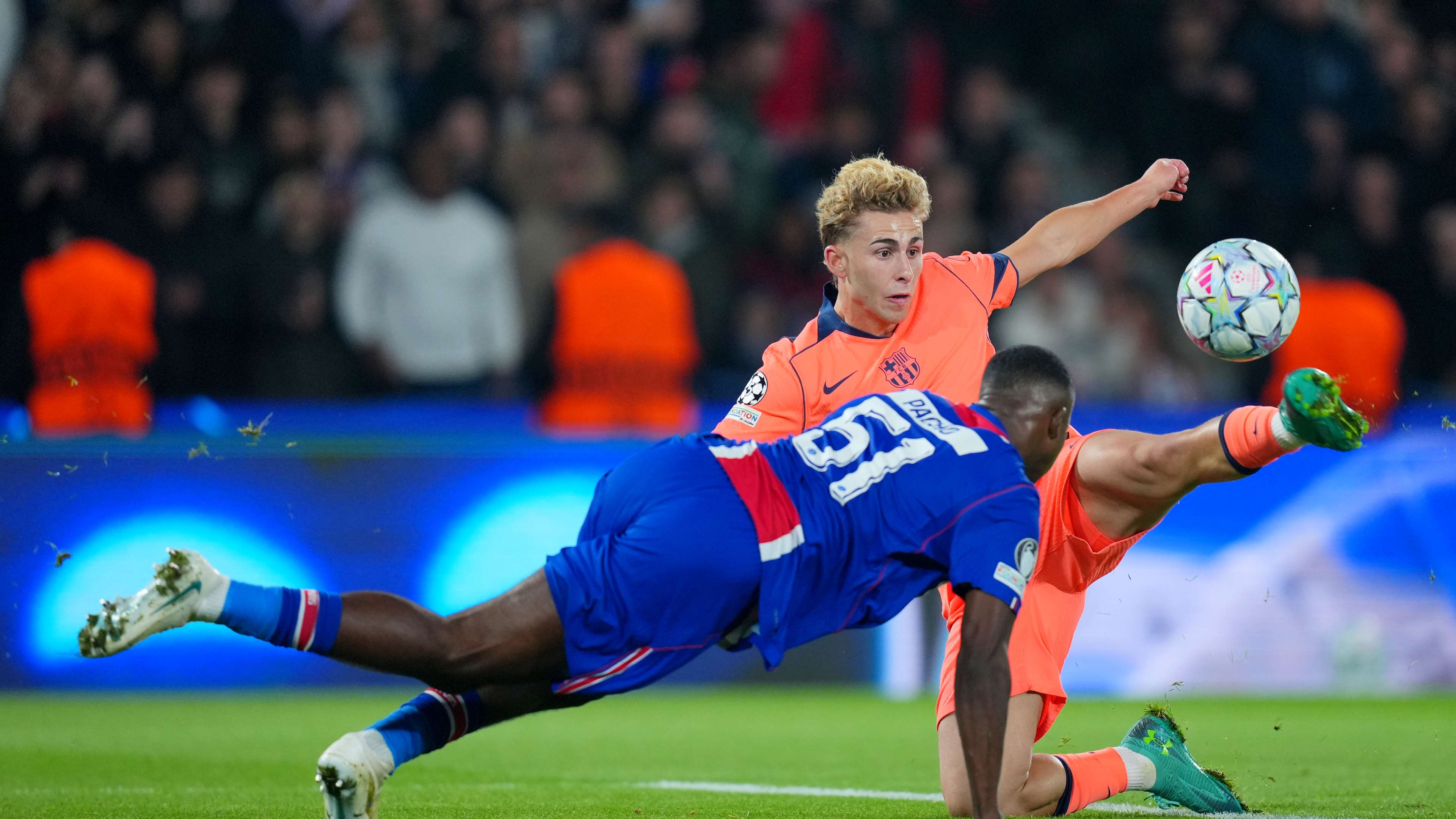
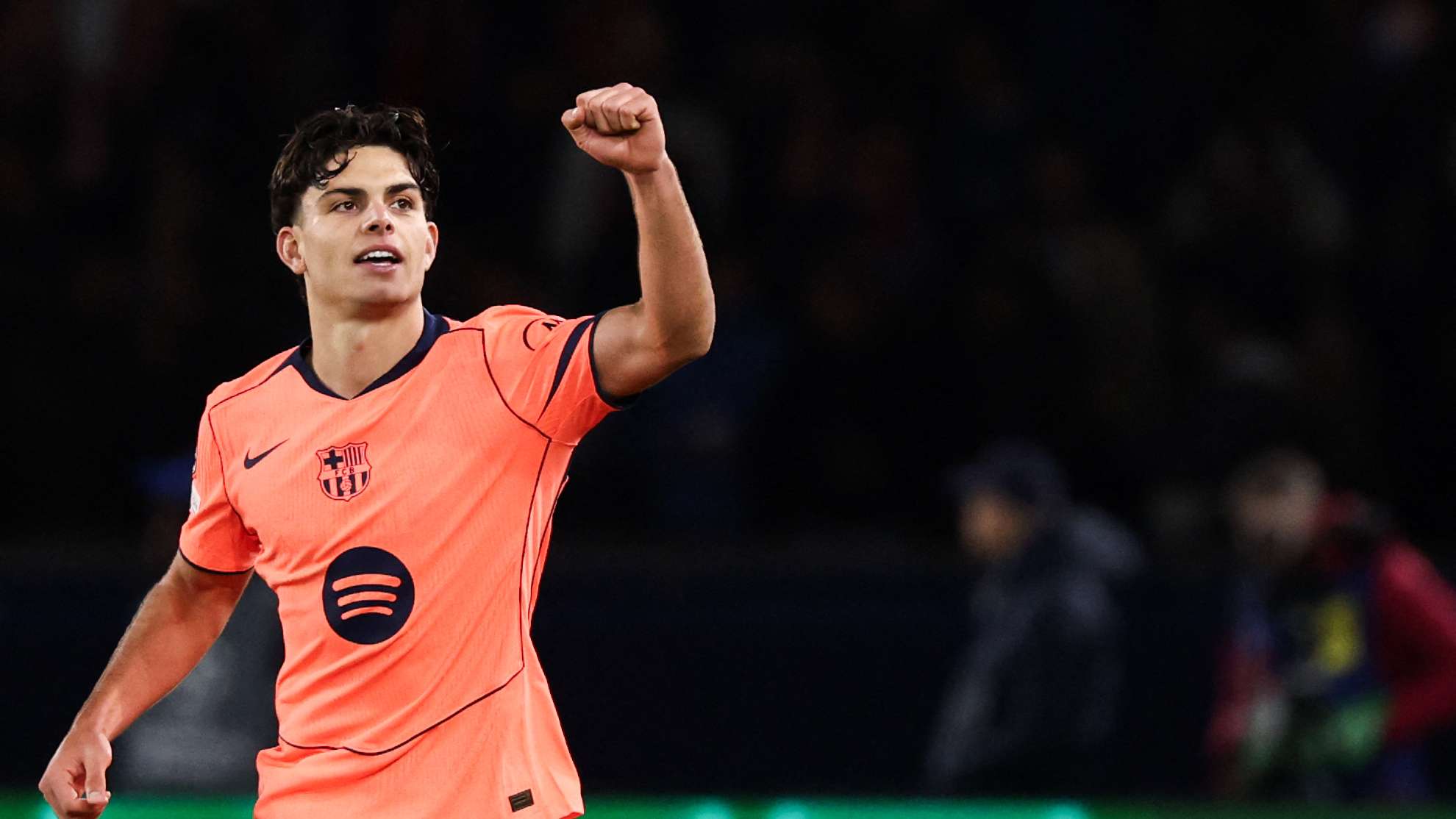
Barcelona responded to a first-half setback with an energetic second-half display, drawing level at 1-1 away to Paris Saint-Germain in the third round of the Champions League league phase. The equaliser arrived in the 55th minute, when right-back Xavi Espart finished a superb move created by Fermín López.
The goal gave Barcelona a foothold in a demanding European contest and added a memorable milestone to Espart’s rising career. According to football statistics account Statsdufoot, he became the 15th player to score for Barcelona in the Champions League before turning 20.
Doué Gives PSG the First-Half Lead
PSG struck first through Désiré Doué, who put the home side ahead in the 38th minute. His goal capped a competitive opening period in which the French team made the most of its opportunity and carried a 1-0 advantage into half-time.
Barcelona faced the challenge of responding in a hostile away environment, with PSG’s lead threatening to shape the match. Rather than retreat, however, the visitors emerged after the break with greater urgency. Their attacks arrived in waves, putting the home defence under sustained pressure and gradually shifting the momentum.
Fermín López Creates the Opening
The equaliser was the product of both individual quality and sharp attacking timing. Fermín López spotted space in front of the PSG defence and threaded a precise pass into the path of Espart. The young full-back accelerated onto the ball and struck it firmly into the net, completing the move with the confidence of an experienced forward.
For Barcelona, the goal reflected the value of quick decision-making in the final third. Fermín’s vision turned a promising opening into a clear chance, while Espart’s run and powerful finish ensured the opportunity was not wasted. The combination also highlighted how Barcelona can create danger from unexpected positions, with a right-back arriving to finish an attack usually associated with the team’s forwards.
A Milestone for Barcelona’s Young Scorer
Espart’s goal carries significance beyond the scoreline. Becoming one of only 15 Barcelona players to score in the Champions League before the age of 20 places him in a notable group of young talents to make an impact on the club’s biggest European stage.
That statistic underlines Barcelona’s tradition of giving emerging players opportunities, but it also reflects the difficulty of converting those chances into goals. The Champions League brings intense pressure, elite opposition and little room for hesitation. Espart’s composed finish in Paris therefore offers an encouraging sign of his potential, particularly given the demanding role of a modern full-back.
Today’s wide defenders are often expected to contribute at both ends of the pitch. They must defend against rapid wingers, support build-up play and choose the right moment to move forward. Espart’s decisive run showed the attacking possibilities of that role, while his goal demonstrated the importance of timing and confidence when a chance appears.
Barcelona’s Second-Half Response
Barcelona’s improved performance after the interval was central to their comeback. The visitors increased the intensity of their pressure and moved the ball forward with greater purpose. Repeated attacks forced PSG to defend deeper and gave Barcelona more opportunities to test the spaces around the penalty area.
That pressure eventually produced the breakthrough, though the equaliser also depended on a moment of individual inspiration. Fermín had to recognise the run and deliver the pass at the right time; Espart had to judge his movement and finish decisively. It was a simple sequence in appearance, but one that required precision from both players.
For PSG, conceding after taking the lead will be a frustration, especially after holding the advantage at half-time. The equaliser reset the contest and made the closing stages more uncertain. In a match between two clubs with strong attacking traditions, the ability to maintain defensive concentration after periods of pressure can prove just as important as creating chances at the other end.
What the Result Means for the European Campaign
The 1-1 scoreline leaves the match finely balanced and provides both teams with lessons for the rest of the league phase. Barcelona can take encouragement from their response and from the contribution of a young player on a major stage. PSG, meanwhile, will look to build on their first-half display while finding ways to manage opponents’ momentum more effectively.
Any early football prediction about a Champions League campaign must account for the demands of a changing league-phase format, where each fixture can influence a club’s route through the competition. A point away from home can be valuable, but performances across the remaining matches will determine how much it ultimately counts. Barcelona’s attacking depth and ability to involve players from different positions could be important strengths as the schedule develops.
Next Fixtures for PSG and Barcelona
Both sides must quickly turn their attention back to domestic competition. PSG are scheduled to face Lyon in Ligue 1 on 26 October 2026, with kick-off listed for 03:45. Barcelona are set to meet Real Madrid in La Liga on the same date, with the match listed for 04:00.
The upcoming fixtures offer little time to dwell on the European draw. For Barcelona, Espart’s breakthrough could provide a timely boost ahead of a major domestic test. For PSG, the priority will be converting promising passages of play into consistent results. The Paris meeting delivered a goal of real quality, a significant personal milestone and a reminder that momentum can shift quickly in elite football.