
PSG vs Barcelona: Early Injuries Create Rare Champions League Statistics
Paris Saint-Germain and Barcelona’s Champions League meeting took an unusual turn before the half-hour mark, as injuries forced both sides to make early changes. The substitutions disrupted the match plans of two European heavyweights—and produced a collection of statistics rarely seen in the competition.
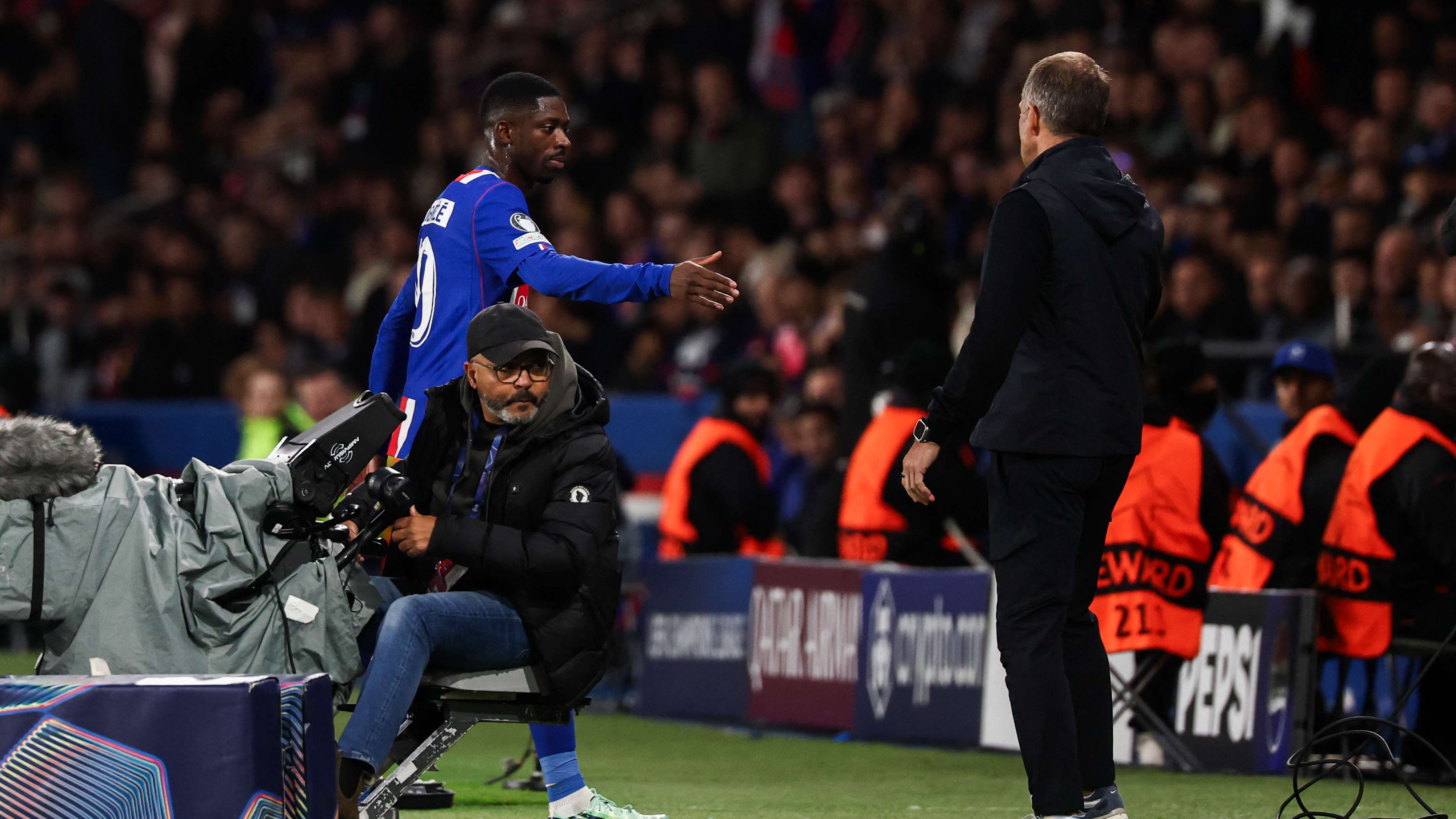
Ousmane Dembélé was the first to leave, limping off in the 19th minute. Barcelona-born and a former player for the Catalan club, the PSG forward was replaced by Ferran Torres, who has also represented Barcelona. Their shared history made the change especially notable: it was not simply an injury substitution, but a rare moment in which a player was replaced by someone who had previously played for the opposing team.
A rare Champions League player connection
According to football statistician MisterChip, Dembélé’s departure marked only the seventh time in the Champions League era that one player has been replaced by another who had previously turned out for the opponent. The unusual detail reflects the increasingly interconnected nature of elite football, where players regularly move between major clubs and can find themselves on opposite sides of a high-profile European fixture.
The previous example came on 25 October 2022, during Manchester City’s Champions League clash with Borussia Dortmund. Erling Haaland was substituted, with Manuel Akanji coming on. Both players had represented Dortmund before joining City, making that change another instance of former club connections appearing within a single substitution.
Dembélé’s exit also ranked among the fastest substitutions of a starting player in PSG’s Champions League history. His departure in the 19th minute was the second-earliest such change recorded by the French club. The only earlier example cited in the statistic involved Modeste M’Bami, who was taken off in the sixth minute of PSG’s match against Porto on 7 December 2004.
Barcelona forced into an early change of its own
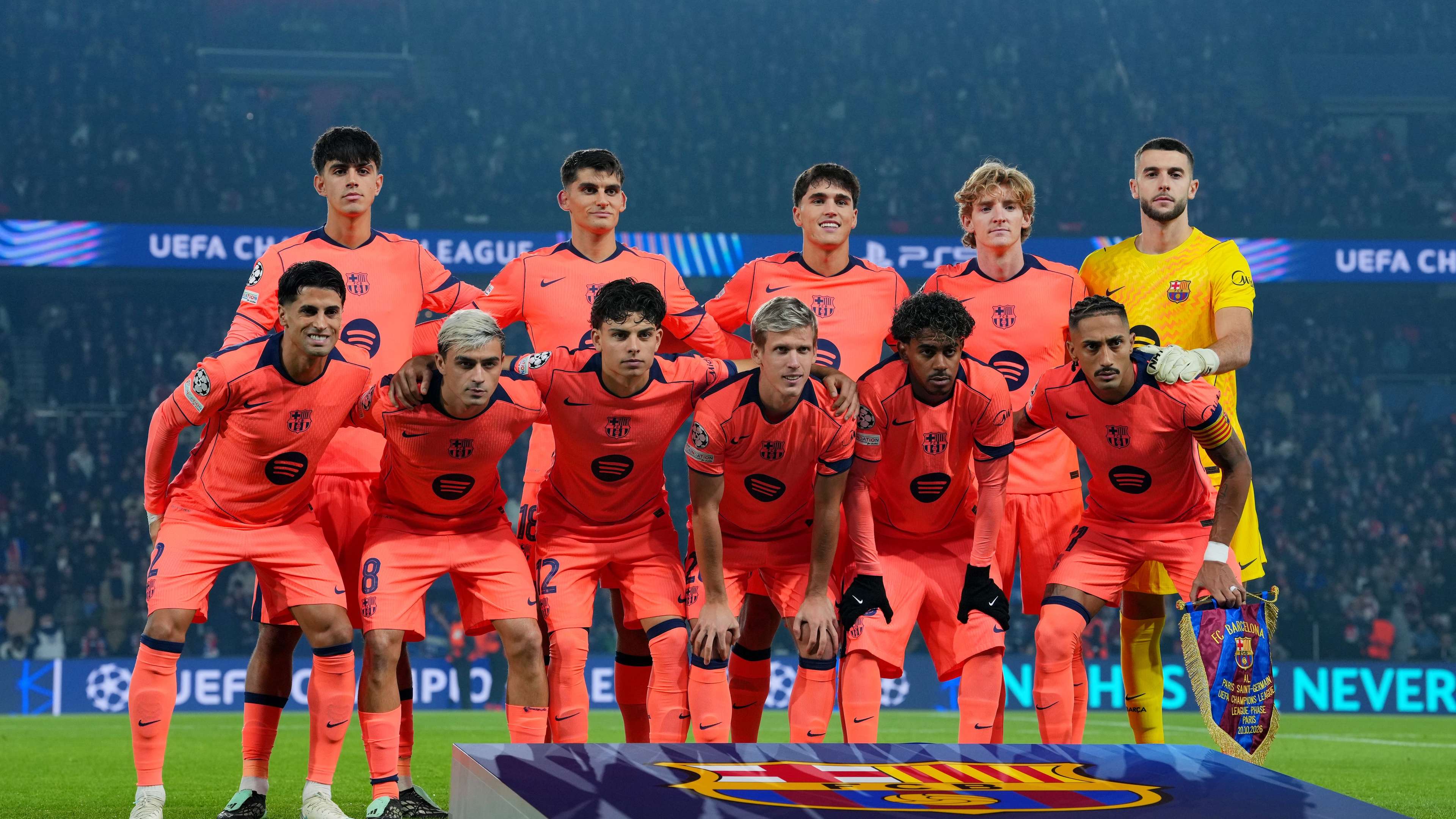
Barcelona’s injury concerns followed soon after. Dani Olmo picked up a knock and was unable to continue, leaving the pitch in the 27th minute. Fermín López came on in his place, giving Barcelona an early opportunity to adjust its attacking and midfield structure.
With one starting player from each team substituted before the half-hour mark, the match entered an even rarer statistical category. It was the tenth game in the Champions League era in which both sides had replaced a starter inside the opening 30 minutes—and the first time the pattern had occurred in 19 years.
The previous match to meet that description was Beşiktaş against Marseille on 28 November 2007. In that game, Cissé was substituted in the 20th minute, followed by Samir Nasri in the 26th. The long gap between examples underlines how uncommon it is for both teams to lose a starting player so early in a Champions League fixture.
Why early injuries can reshape a European match
Injuries in the opening stages can have an outsized effect on a match. Coaches prepare for changes, but an unplanned substitution can force them to alter pressing patterns, attacking combinations or defensive responsibilities much earlier than intended. A replacement may also need to adapt quickly to the pace of a contest that has already begun to take shape.
For PSG, losing Dembélé meant adjusting without a forward capable of stretching the defence and creating danger in one-on-one situations. Bringing on Torres introduced a different profile, while also adding an intriguing personal connection to Barcelona. For the Spanish side, Olmo’s departure required another reshuffle and gave López the challenge of entering a high-pressure match before the game had settled.
Such changes can influence more than tactics. They affect a coach’s remaining options from the bench, particularly in a demanding Champions League fixture where substitutions may later be needed to manage fatigue, respond to the scoreline or protect a lead. An early injury therefore creates a strategic dilemma: use a replacement immediately and work around the reduced flexibility, or adjust the team’s shape to compensate.
Statistics add another layer to the PSG-Barcelona story
Champions League coverage often focuses on goals, possession and major individual performances, but rare match statistics can reveal a different side of the game. The PSG-Barcelona encounter offered a striking example: a former Barcelona player replaced by another former Barcelona player, followed minutes later by a second injury-enforced substitution involving a starter from the opposing team.
These figures do not determine the result, and they should not be mistaken for a prediction of what will happen next. Instead, they provide context for an unusual opening and help explain why the match stood out beyond the action on the ball. For football fans, the historical comparisons also connect a current European fixture with memorable moments from previous Champions League seasons.
The early departures of Dembélé and Olmo made the contest a test of squad depth as well as tactical preparation. Both teams had to respond quickly, while their coaches faced the challenge of balancing immediate needs against the possibility of further changes later in the game. That combination of injury disruption, player history and statistical rarity gave the meeting an uncommon storyline from the opening stages.
For supporters following PSG and Barcelona, the key takeaway was not just that two starters went off before the 30-minute mark. The match also joined a select group of Champions League games defined by early substitutions on both sides, while Dembélé’s replacement added a rare link between players who had represented the same club. It was an unusual start to a major European night—and a reminder that football history can be written as much through unexpected changes as through goals.