
Barcelona’s Champions League Defensive Jinx Sets Unwanted Spanish Record
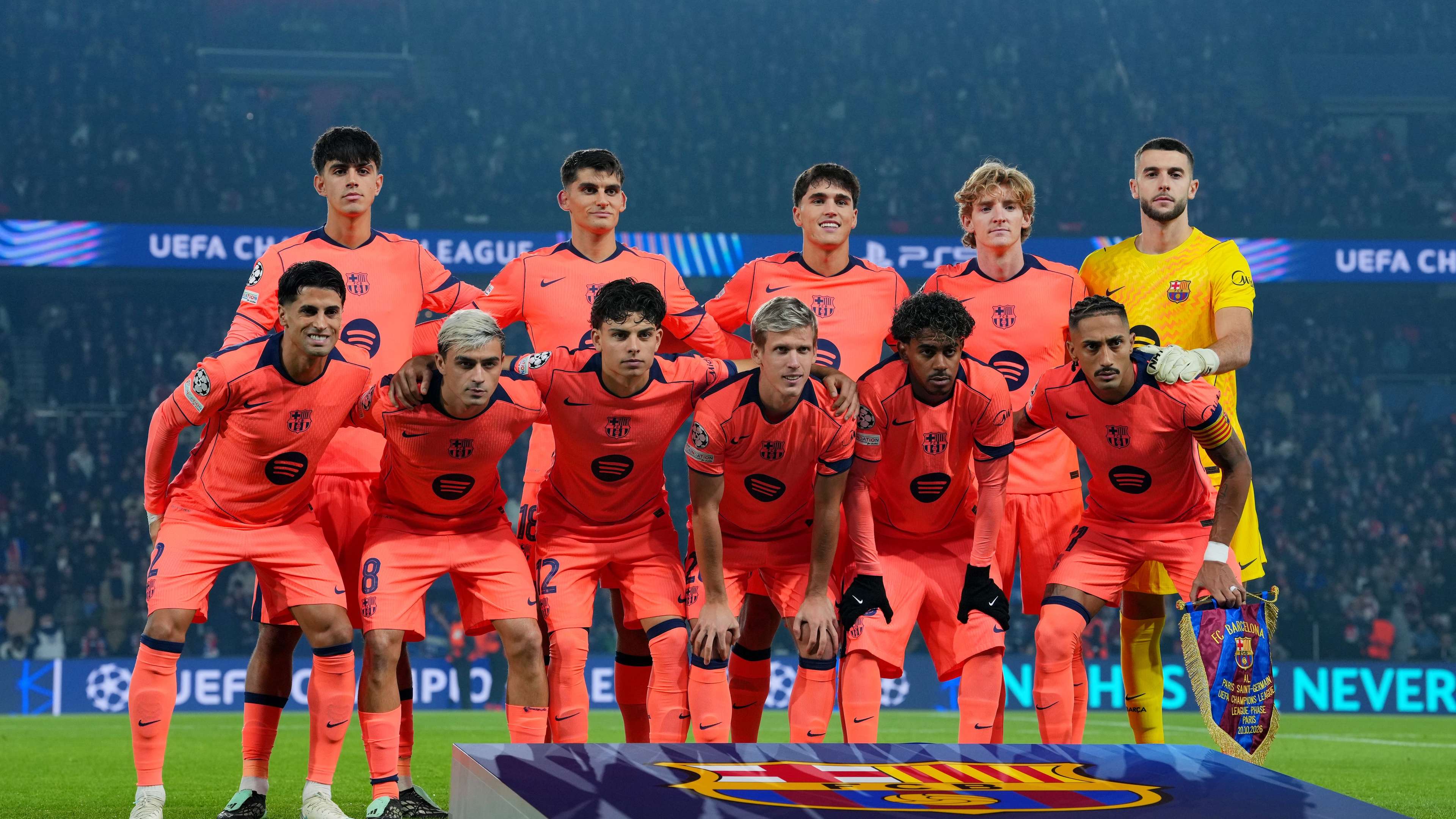
Barcelona’s European campaign has been marked by a troubling defensive trend: the Catalan side have now conceded in 18 consecutive Champions League matches, setting an unwanted record for a Spanish club in the competition. The latest goal in the run came when Paris Saint-Germain forward Désiré Doué struck from outside the penalty area in the 38th minute, putting the French champions ahead and extending Barcelona’s clean-sheet drought.
The statistic, highlighted by football data accounts MisterChip and Statsdufoot, places Barcelona at the top of a list they would rather avoid. No Spanish team had previously gone so many consecutive Champions League games without keeping a clean sheet. Villarreal are next on the list, having conceded in 14 straight European matches between 2008 and 2021.
A Defensive Run That Has Followed Barcelona Across Europe
Barcelona’s last Champions League clean sheet came on 9 April 2025, when they defeated Borussia Dortmund 4–0. Since then, opponents have found a way through in every match, turning what may once have seemed like an isolated issue into a persistent pattern.
The run does not necessarily mean Barcelona have been defensively poor in every game. A team can concede once and still control large stretches of a match, while individual errors, set pieces and moments of high-quality finishing can all affect the final score. But over 18 consecutive fixtures, the repeated failure to shut opponents out points to a broader challenge: Barcelona have struggled to combine their attacking ambition with consistent defensive security in Europe.
That balance is especially important in the Champions League, where opponents are often equipped to punish even brief lapses. A forward pressing at the right moment, a midfielder finding space between the lines or a defender stepping out of position can quickly change the shape of a tie. Doué’s long-range strike was a reminder that danger does not always come from a carefully worked move inside the penalty area.
Why Doué’s Goal Mattered
Doué’s effort was significant not only because it gave PSG the lead, but also because it added another match to Barcelona’s unwanted sequence. The goal came from outside the box, highlighting the importance of closing down shooters before they can set themselves. When a player has time to look up and strike, even a well-positioned goalkeeper may have little opportunity to react.
For Barcelona, the moment also raised familiar questions about pressure, spacing and protection in front of the back line. Defending long-range attempts is a collective responsibility: midfielders must track runners and challenge the ball-carrier, while defenders need to stay alert to rebounds and movement around the area. Against a technically gifted side such as PSG, a small delay can be enough to create a clear shooting chance.
What the Record Says—and What It Doesn’t
The 18-match sequence is a striking piece of football history, but it needs context. A clean sheet is a useful measure of defensive performance, yet it does not tell the whole story. Barcelona may have produced strong spells of defending in individual matches, and conceding a goal does not automatically mean a team has been outplayed. Still, the length of the run makes it a meaningful warning sign, particularly in a tournament where knockout ties can be decided by fine margins.
For a club with Barcelona’s European ambitions, the record is difficult to ignore. The team’s attacking identity often depends on controlling possession and pushing players forward, but those strengths can leave space behind the ball. If possession is lost in a dangerous area, opponents may be able to attack quickly before Barcelona’s defensive shape is restored. Improving the transition from attack to defence could therefore be just as important as making changes to the back line itself.
How Barcelona Could Break the Clean-Sheet Curse
Ending the streak will likely require more than one standout performance from the goalkeeper or central defenders. Barcelona need coordinated pressing, quicker recovery runs and clear communication when opponents move into shooting positions. Better protection around the edge of the penalty area could also help reduce the number of unchallenged efforts that have the potential to trouble the goalkeeper.
Set-piece organisation is another area worth monitoring. European opponents frequently use corners and free kicks to create high-value chances, especially when they know a team has been unable to keep a clean sheet. Barcelona’s defenders must be alert to screens, second balls and late runs, while the midfield has to help prevent opponents from recycling possession after the first clearance.
There is also a psychological dimension. Once a team becomes aware of a negative statistic, every goal conceded can add pressure and make the next clean-sheet attempt feel more significant. The best response is to focus on the process rather than the record: defend each phase with discipline, limit high-quality chances and avoid turning a single setback into a wider loss of control.
What Comes Next for Barcelona?
Barcelona’s next European fixtures will offer an immediate opportunity to change the narrative. A clean sheet would not erase the 18-match run, but it would provide a clear sign that the team can restore defensive control. Until that happens, opponents are likely to view Barcelona’s back line as a potential source of opportunity, particularly when they can attack quickly or create space around the penalty area.
For supporters, the central question is whether the record reflects a temporary dip or a structural weakness that needs a longer-term solution. The answer may depend on how effectively the coaching staff adjusts the team’s shape without sacrificing its attacking threat. Barcelona do not need to abandon their footballing identity, but they may need greater balance when possession changes hands.
Prediction: Barcelona have the quality to end their Champions League clean-sheet drought, but doing so will depend on sharper pressure around the box and more disciplined defensive transitions. Until the Catalans demonstrate that improvement, their European matches are likely to remain open—and the 18-game record will continue to follow them.