
Louis van Gaal criticises UEFA over Champions League’s expanded league phase
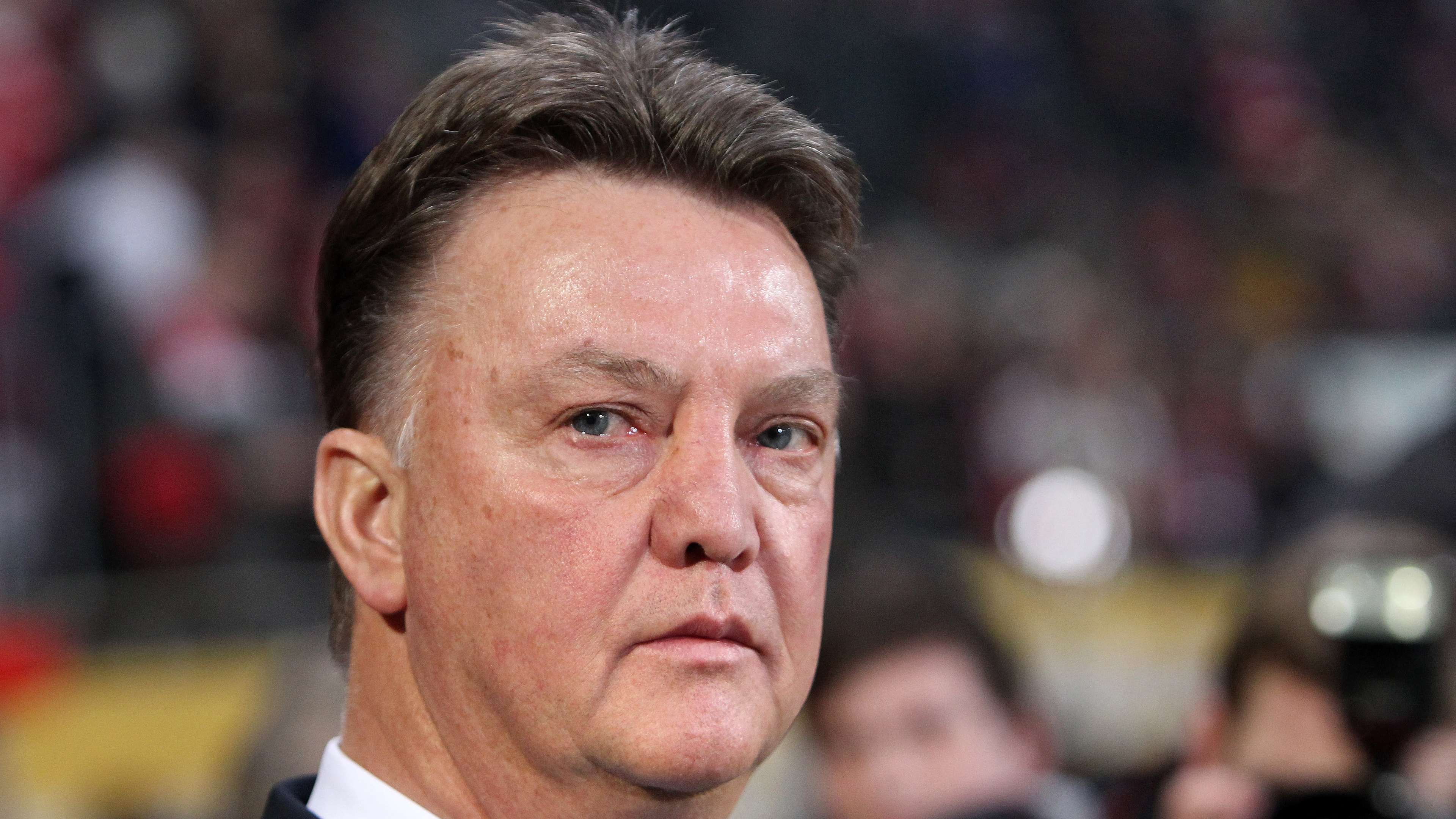
Former Netherlands manager Louis van Gaal has delivered a sharp verdict on UEFA’s revamped Champions League, arguing that the competition’s expanded opening phase prioritises revenue over sporting quality. The veteran coach, whose club career included spells with Bayern Munich, Barcelona and Manchester United, has also questioned whether the new format is producing the kind of elite football its name promises.
Speaking to Dutch media outlets, Van Gaal accused European football’s governing body of being driven chiefly by financial interests. Spanish newspaper AS reported his blunt assessment: “The Union of European Football Associations thinks of nothing but making money. It is a corrupt world.” He also described the current Champions League structure as ridiculous, adding his voice to a wider debate about the cost and consequences of football’s expanding calendar.
How the Champions League format changed
The competition has replaced its traditional group stage with a single league phase. Instead of being divided into groups, all participating clubs are placed in one overall table. The field has grown from 32 teams to 36, and each club now plays eight league-phase matches—two more than under the previous format.
Those fixtures are not played against every other team. Each club faces eight different opponents, with the results contributing to the same league table. The revised system is designed to create more varied matchups and keep more teams in contention for longer. At the end of the league phase, the highest-ranked sides progress directly to the knockout rounds, while others must compete in a playoff to secure their place.
Supporters of the change say a larger league phase can deliver more high-profile fixtures and make the race for qualification more compelling. For broadcasters and UEFA, additional matches also mean more opportunities to sell rights, sponsorships and tickets. Van Gaal, however, sees the expansion as a trade-off that risks weakening the competition’s identity and placing further strain on players.
Van Gaal questions the quality of the competition
One of the Dutchman’s central criticisms concerns the standard of the teams involved. He argues that the Champions League should be reserved for the strongest clubs in Europe and that expanding the field can increase the gap in quality between opponents. In his view, mismatches may make some games less competitive, rather than raising the overall level of the tournament.
“It is called the Champions League, isn’t it?” Van Gaal said, according to the report. “The best teams should take part in it.” He suggested that the broader format narrows the level of competition across the field and can lead to fewer goals—an assessment that contrasts with the expectation that more games will automatically create more entertainment.
That argument highlights a key question for fans: does a bigger tournament make the football better, or simply make the calendar busier? More fixtures can produce memorable clashes, but a league phase also includes games between clubs with very different budgets, squads and European experience. The balance between access and elite competition is likely to remain a point of disagreement as the format develops.
Fixture congestion and injury concerns
Van Gaal’s other major concern is the growing number of matches players are expected to play. The Champions League’s extra league-phase fixtures arrive alongside domestic leagues, national cup competitions and international football. For leading players, the result can be a schedule with limited recovery time and little opportunity to manage fatigue across a long season.
“There are more matches, and therefore, more injuries,” Van Gaal said. He linked the crowded calendar to serious injuries, including one suffered by Khvicha Kvaratskhelia. His comments reflect a broader concern shared by coaches, players and medical staff: when elite footballers face a relentless sequence of club and international commitments, physical recovery becomes harder to protect.
Injury risk is influenced by many factors, including workload, previous fitness issues, playing surface and the intensity of a match. A packed schedule does not by itself explain every injury, but it can reduce the time available for rest and rehabilitation. That makes workload management increasingly important, particularly for clubs competing on several fronts.
A wider debate about football’s future
The argument over UEFA’s format is part of a larger discussion about how much professional football can reasonably expand. New competitions, longer tournaments and additional international fixtures may bring commercial benefits, but they also place pressure on players and can make it more difficult for supporters to follow every match.
For fans, the new Champions League offers a different kind of prediction challenge. With one shared table and more opponents to assess, judging which clubs will qualify or reach the knockout rounds requires looking beyond traditional group-stage patterns. Squad depth, away form, injuries and the difficulty of each club’s fixture list may all have a greater influence on the final standings.
UEFA has presented the league phase as a way to make the tournament more competitive and engaging. Van Gaal’s criticism raises a counterpoint: a format can offer more football without necessarily improving the quality of every match. Whether the expanded system ultimately succeeds will depend on the games themselves—and on whether its added drama is worth the extra demands placed on clubs and players.
His remarks are unlikely to end the debate, but they underline a fundamental tension in modern football. The Champions League must balance sporting merit, entertainment, financial growth and player welfare. As the competition continues under its new structure, those priorities will be closely watched by supporters, coaches and anyone making a football prediction about which clubs can thrive in an increasingly crowded season.