René van der Gijp questions Dusan Tadic’s status after NEC criticism
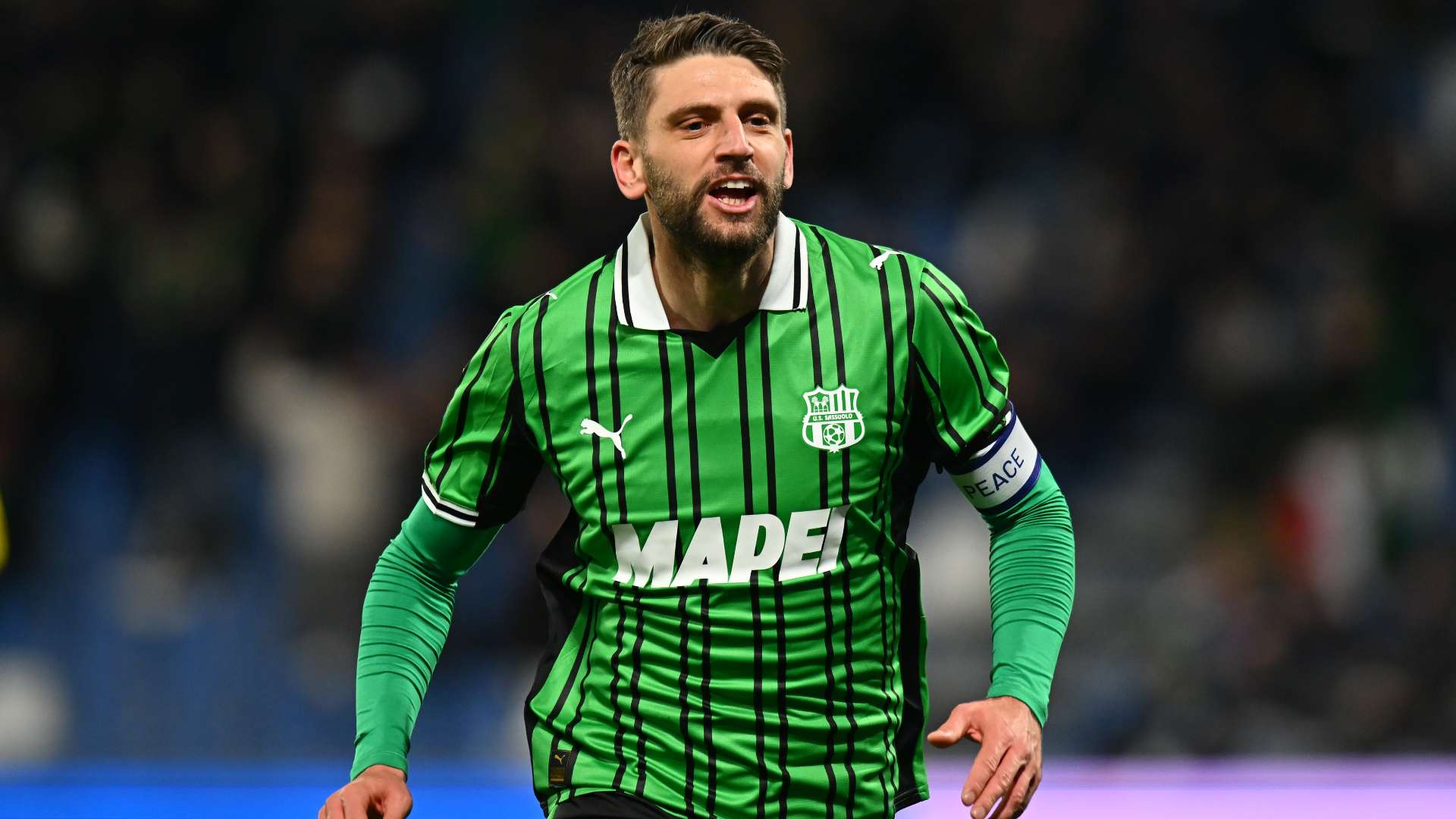
Dusan Tadic’s blunt assessment of his NEC team-mates has sparked a lively debate in the Netherlands, with former footballers René van der Gijp and Wim Kieft offering sharply different reactions. Van der Gijp questioned whether the forward’s reputation matches his apparent confidence, while Kieft showed greater understanding of Tadic’s frustration with the quality around him.
The discussion unfolded on Monday’s episode of KieftJansenEgmondGijp, after Tadic made headlines in an interview with NU.nl. The 37-year-old NEC forward said that playing alongside less capable team-mates can make the game more difficult, particularly when they fail to recognise his movement or return the ball after he has helped build an attack.
“I regularly make moves to set things up and don’t get the ball. Or I don’t get it back,” Tadic said. “Apparently my brain works too quickly.” His comments were widely interpreted as criticism of the players around him, and they quickly became a talking point among supporters and pundits.
Van der Gijp challenges Tadic’s self-image
Van der Gijp responded with sarcasm, suggesting that Tadic’s comments gave the impression of a player who sees himself as operating at a higher level than his current surroundings. He said that whenever he hears Tadic speak, he looks up the forward’s career history.
Van der Gijp listed clubs including FC Groningen, FC Twente, Southampton and Ajax, then pointed out that Tadic had not played for European giants such as Real Madrid, Arsenal or Juventus. The comparison was intended to underline his view that the Serbian should be more measured when discussing his own footballing intelligence and status.
It was a pointed response, but it also reflects a familiar debate in football: how much should an experienced player be expected to adapt to team-mates, and when is it fair to criticise the support he receives? Tadic has built a reputation as a technically gifted and influential attacker, but Van der Gijp’s argument was that a strong career does not automatically make someone an all-time great or justify a superior attitude.
Kieft sees some truth in the frustration
Kieft took a more sympathetic position. He acknowledged that Tadic may be unhappy with the standard of Dick Schreuder’s NEC squad and argued that the forward’s frustration is understandable to a degree. Players who anticipate passes early, make runs into space and look to combine at speed can become frustrated when team-mates do not read the same situations.
That does not necessarily mean Tadic is right to air those concerns publicly. Comments about team-mates can affect confidence and dressing-room relationships, especially when they are delivered in a headline-making interview. Still, Kieft’s response suggested that the forward’s remarks may have come from genuine disappointment rather than a desire to belittle his colleagues.
Kieft also placed the discussion in the context of Tadic’s former club. Ajax are a bigger institution than NEC and have generally been able to recruit players of a higher level, he noted. Tadic enjoyed a prominent spell in Amsterdam, but Kieft questioned whether that makes him an Ajax icon in the historical sense.
What makes a football icon?
The disagreement moved beyond Tadic’s comments to a broader question: what does it take to be considered a football icon? Kieft pointed to Ajax’s celebrated teams of the 1970s and 1995, eras associated with major European success and players whose influence extended well beyond a single club or season.
Van der Gijp added Willy van der Kuijlen to the conversation, describing figures who achieved exceptional things at the highest level as the standard for the word “icon.” He also referred to Kieft’s own European Cup success, arguing that a career-defining achievement carries a different weight from winning a domestic championship, even at a major club such as PSV.
The exchange highlights how football reputations are shaped by more than technical ability. Supporters and former players often judge icons by trophies, longevity, influence on a club’s identity and performances in defining moments. Tadic’s record at Ajax gives him a strong place in the club’s recent history, but whether that status places him alongside the game’s most celebrated figures remains open to debate.
A proud player, but not necessarily a bad team-mate
Despite his criticism, Kieft was careful not to portray Tadic as a bad person. He described the forward as proud, but stressed that pride should not be confused with poor character. That distinction matters: a player can be outspoken and demanding without being malicious, although the way those views are communicated can still create tension.
For NEC, the challenge will be to turn the attention back to football. Schreuder’s side will need to manage expectations, maintain unity and help Tadic contribute without allowing the public debate to define the team. A forward of his experience can offer leadership and attacking quality, but that influence is most valuable when it strengthens the group rather than divides opinion around it.
The episode also offers fans plenty to consider when making a football prediction about NEC’s next performances. Tadic’s comments could become a short-lived media storm, or they could point to a deeper issue involving communication and the squad’s ability to meet his expectations. Much will depend on what happens on the pitch: whether team-mates begin to connect with his movement, whether NEC can build consistent attacking patterns, and whether the forward channels his frustration into decisive performances.
For now, Van der Gijp and Kieft have framed the debate from opposite angles. One sees a proud player whose self-assessment deserves scrutiny; the other sees an accomplished footballer whose irritation may have understandable roots. Both perspectives underline the same point: in a team sport, individual ambition and collective understanding must work together if a player’s quality is to translate into results.