
Paul Parker: Manchester United Missed a “Brilliant” Opportunity With Antonio Conte
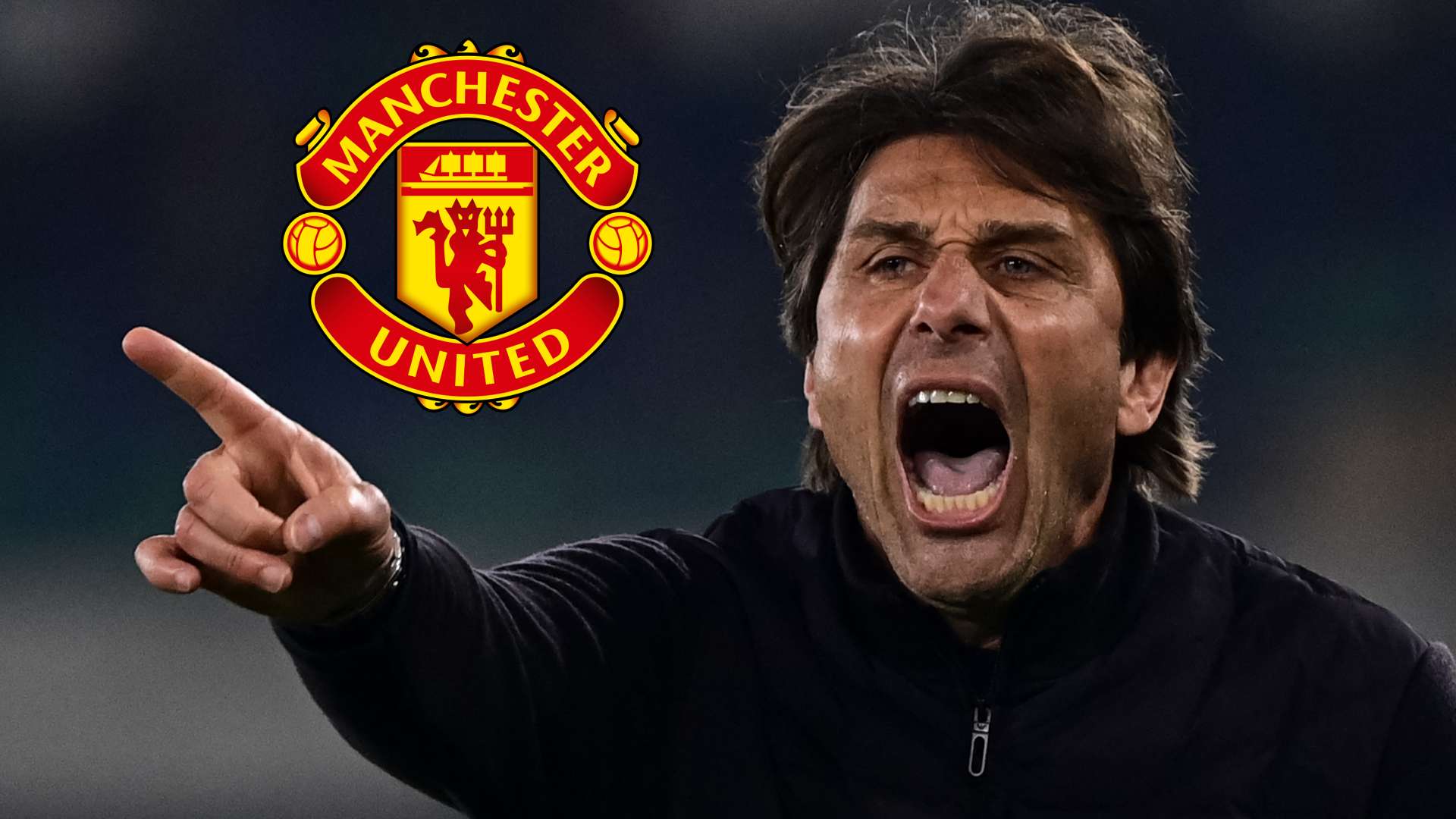
Manchester United could have benefited from appointing Antonio Conte, according to former Red Devils defender Paul Parker, who believes the club’s decision-makers passed over a proven, demanding manager because they were not prepared to handle his approach. As United prepare for another change in the dugout, Parker’s comments have reignited debate about the club’s managerial choices and the kind of leadership needed to restore consistency at Old Trafford.
Conte, a former Chelsea and Tottenham Hotspur boss, has built a reputation as one of football’s most forceful and tactically exacting coaches. Parker believes those qualities could have made him a “brilliant” fit for United. Instead, the club chose not to pursue the Italian, while Mauricio Pochettino is now preparing to take charge.
Why Parker Believes Conte Could Have Worked at Old Trafford
Conte’s teams are typically associated with clear tactical structures, intense training standards and a strong emphasis on discipline. His methods can be demanding, but they have also delivered major honours. At Chelsea, he won the Premier League title in his first season, while his career has included league success in Italy and further trophies with other clubs.
For Parker, the appeal was not simply Conte’s record. United have often looked short of a consistent identity, with changing managers bringing different systems and priorities. A coach with a defined philosophy could have offered a sharper direction, particularly in areas such as defensive organisation, pressing and collective responsibility.
Conte is known for expecting players to follow detailed instructions and work at a high physical intensity. That approach can produce a highly organised side, but it also requires support from the club’s leadership. Recruitment must suit the system, senior figures need to back the manager’s standards, and players must accept that selection is earned through performance.
Did United Fear Conte’s Demands?
Parker’s criticism centres on the suggestion that United’s board may have been reluctant to appoint a manager they felt they “couldn’t deal with”. Conte has never been a quiet presence in the dugout. He is outspoken when he believes a squad is underperforming or a club has failed to meet its ambitions, and his public comments have sometimes sharpened tensions with executives.
That directness can create pressure, but it can also bring important issues into the open. A manager who challenges recruitment decisions or demands higher standards may be difficult to manage, yet those conversations are part of building a competitive team. The key question for United is whether their leadership wants a coach who fits the existing structure or is willing to reshape that structure around a clear football plan.
There are risks, too. Conte’s intensity can make his relationships with clubs volatile, and his preferred systems require players with specific qualities. A back-three formation, for example, depends on defenders who are comfortable covering wide areas and wing-backs capable of contributing at both ends. Without suitable recruitment, even a successful coach can struggle to make his ideas work.
Pochettino’s Arrival Brings a Different Set of Expectations
While Conte remains a hypothetical alternative, Pochettino represents the next chapter in United’s managerial story. The former Tottenham and Chelsea coach has also worked at the highest level, and his teams have often been associated with energetic pressing, quick transitions and the development of younger players.
His challenge will be to turn those principles into results at a club where expectations are immediate and scrutiny is constant. United supporters will want to see more than attractive football: they will expect a team that competes reliably, manages difficult matches and makes progress in the Premier League and cup competitions.
The comparison between Conte and Pochettino is not simply about choosing one style over another. Both managers demand commitment and tactical discipline, but they have different personalities and approaches to squad building. Conte is often viewed as a short-term catalyst capable of producing rapid improvement, while Pochettino’s reputation includes a stronger emphasis on developing a team over time.
The Bigger Issue: Manchester United’s Football Direction
For United, the debate raised by Parker points to a question that goes beyond any single appointment: does the club have a consistent football strategy? A manager can only succeed if the organisation agrees on how players should be recruited, how the academy should contribute and what style of play the team is expected to deliver.
Frequent changes in the dugout can leave a squad assembled for one system being asked to perform another. That creates problems on the pitch and can lead to costly transfer decisions. A stable plan would allow United to identify players who fit the club’s long-term needs, rather than making each new manager rebuild the team around a different vision.
Conte’s supporters may argue that his forceful personality was exactly what United needed to impose standards. His critics could point to the friction that sometimes accompanies his methods and question whether his approach would have suited the club’s culture. Both arguments underline why a manager’s authority must be matched by clear backing from the board.
What Comes Next for United?
Parker’s view is a reminder that managerial appointments are judged not only by a coach’s achievements, but also by how well a club empowers that coach. Conte may have offered United a proven winner with a strong tactical identity, yet success would have depended on cooperation from the board, suitable recruitment and the players’ willingness to meet his demands.
Now, attention turns to Pochettino and whether he can bring greater clarity and consistency to Old Trafford. The prediction for Manchester United’s next phase will depend on more than the name in the dugout. If the club aligns its recruitment, leadership and playing philosophy, Pochettino can have a platform to build on. If those elements remain disconnected, even an accomplished manager may find progress difficult.
For supporters following the latest football news, the Conte debate captures a familiar uncertainty around United: the club has had access to elite managers, but turning appointments into sustained success has proved far more complicated. The coming months will show whether the latest choice can deliver the identity, results and stability that Parker believes might have been possible under Conte.