
Mauricio Pochettino Named Manchester United Manager After U.S. National Team Exit
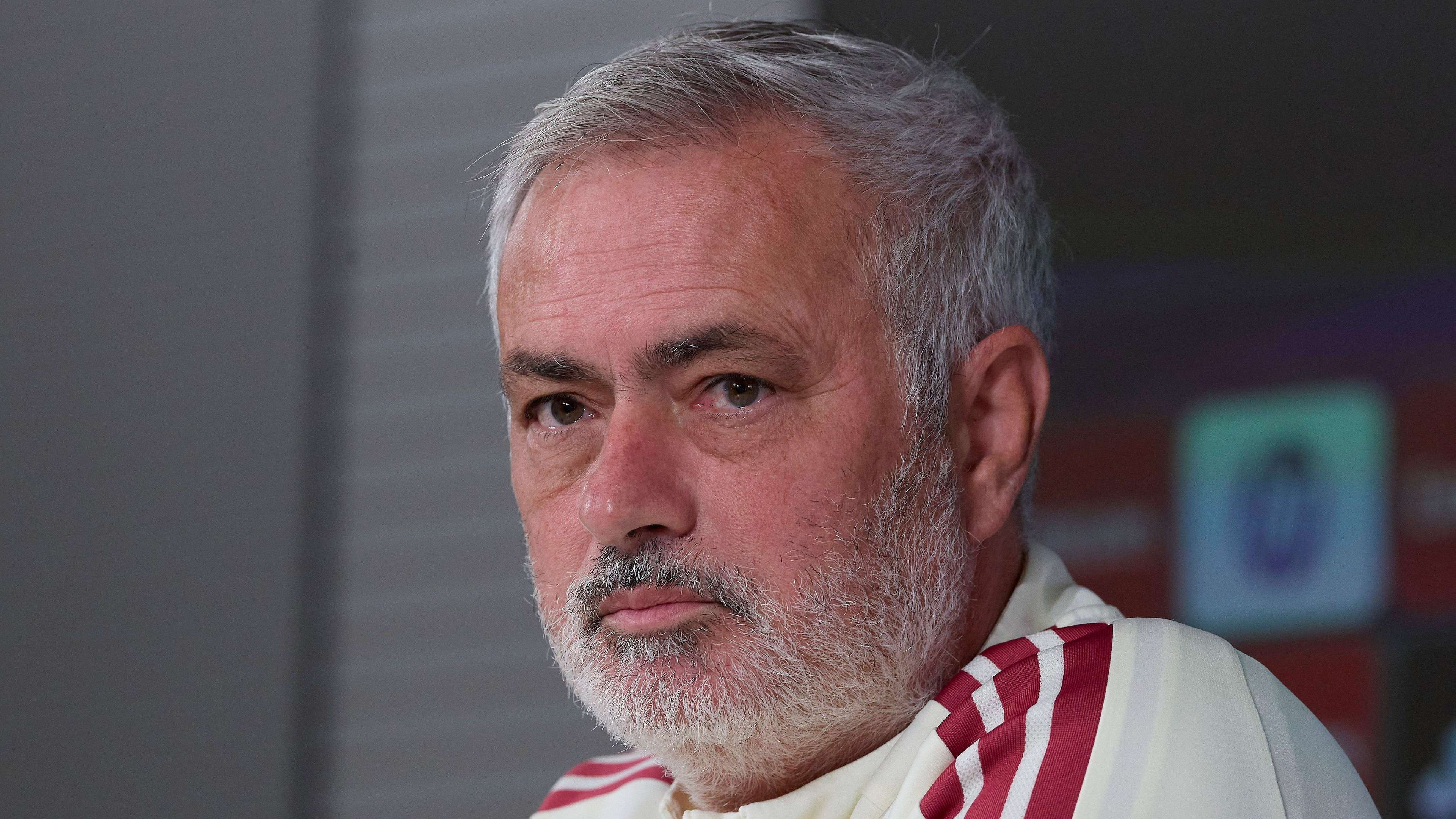
Mauricio Pochettino has been appointed manager of Manchester United, bringing his spell in charge of the United States men’s national team to an end after just over two years. The move takes the Argentine coach back into club football and places him at the helm of one of the sport’s most closely followed teams.
Pochettino is set to replace Michael Carrick at Old Trafford. His appointment marks a significant change for both Manchester United and the United States, whose preparations for the 2026 FIFA World Cup had been shaped around the former Tottenham Hotspur and Paris Saint-Germain manager’s leadership.
A Major Return to Club Football
Taking charge of Manchester United gives Pochettino an immediate opportunity to resume work in the week-to-week intensity of the Premier League. At club level, he has built a reputation for developing players, encouraging energetic football and organizing teams to press aggressively. Those qualities will be closely watched as he begins the challenge of improving United’s performances and restoring consistency.
The expectations at Old Trafford are especially high. Manchester United’s global profile means every tactical decision, selection and result attracts attention, while supporters will want to see a clear identity emerge on the pitch. Pochettino will need to balance long-term team building with the immediate demand for results—a familiar challenge for managers at elite clubs.
What Pochettino Could Bring to United
Pochettino’s teams have often relied on intensity, coordinated pressing and quick movement through midfield. If he brings a similar approach to United, the squad may be asked to work harder without the ball, close down opponents earlier and transition quickly after winning possession. A more defined tactical structure could help the team become difficult to play against, though any system will depend on the players available and how quickly they adapt.
His record of working with young talent may also prove important. Manchester United have frequently looked to academy graduates and emerging players, and Pochettino has previously shown a willingness to give younger footballers meaningful responsibility. The key will be finding the right balance between youth and experience, particularly during demanding stretches of the season.
United States Spell Ends Before the 2026 World Cup
Pochettino’s departure is a major development for the U.S. men’s national team. He took charge with the 2026 World Cup in the United States, Canada and Mexico serving as a central point of focus. For the American team, the tournament represents a rare chance to compete on home soil and build momentum for football across the country.
His time with the national side offered a different kind of coaching challenge from club management. International coaches have limited opportunities to work with players, relying on short training camps and match windows rather than daily sessions. That makes tactical clarity, squad communication and careful use of each gathering particularly important.
The change also raises questions about the United States’ next steps. With the World Cup approaching, the federation will need to decide how to maintain continuity and prepare the squad for the tournament. A successor will inherit a group with high expectations, as well as the task of turning the home advantage into strong performances on the field.
What the Appointment Means for Manchester United
For United, the appointment is about more than choosing a new name on the touchline. The club will need to establish whether Pochettino’s football philosophy fits the current squad and what changes may be required to support it. Recruitment, player development and tactical discipline are all likely to shape the early stages of his tenure.
Supporters will also be looking for signs of progress beyond individual results. A recognizable style, improved organization and stronger performances against leading opponents could help build confidence. However, a new manager rarely transforms a team overnight. Pochettino may need time to assess the squad, identify its strengths and address areas where the team lacks balance.
The transition from international football to a demanding club schedule will be another factor. At United, training and matches arrive at a much faster rhythm, with domestic and European commitments potentially adding to the workload. Managing player fitness and maintaining standards across a long campaign will be essential if his ideas are to take hold.
Manchester United Prediction: What Comes Next?
Any prediction about Pochettino’s impact should be treated cautiously. His appointment brings experience and a clear coaching reputation, but success will depend on several connected factors: how quickly the players respond, whether the club provides the right support and how effectively the manager handles pressure during difficult results.
If United adopt his pressing style successfully, they could become more proactive and harder to contain. The team’s progress may be most visible in its intensity, defensive shape and ability to move from defence to attack with purpose. Yet tactical change can take time, especially if the squad has been accustomed to a different approach.
The immediate focus will be on building a competitive team and giving supporters reasons to believe in the direction of travel. For Pochettino, the Manchester United job is a high-profile return to club football and a chance to shape a new chapter at Old Trafford. For the United States, his exit means a major coaching transition at a pivotal point in the run-up to the 2026 World Cup.
Upcoming U.S. Fixture
The United States are scheduled to face Haiti in a CONCACAF Nations League match on November 15, 2026, with kickoff listed for 05:30. The fixture will take place amid heightened attention on the national team’s coaching plans and its preparations for the World Cup.
With Pochettino now turning his attention to Manchester United, both projects enter a period of change. The next few months will reveal how quickly United can adapt to their new manager—and how the U.S. team responds as it continues its journey toward football’s biggest tournament on home soil.