
PSG’s Lamine Yamal Challenge: Luis Enrique Weighs a Collective Plan Without Nuno Mendes
As Paris Saint-Germain prepare to face Barcelona in a high-profile Champions League clash, one tactical question is dominating the conversation in Paris: how can PSG contain Lamine Yamal without Nuno Mendes? The absence of the influential left-back leaves Luis Enrique with a significant defensive problem—and a difficult assignment against the club where he made his name as a coach.
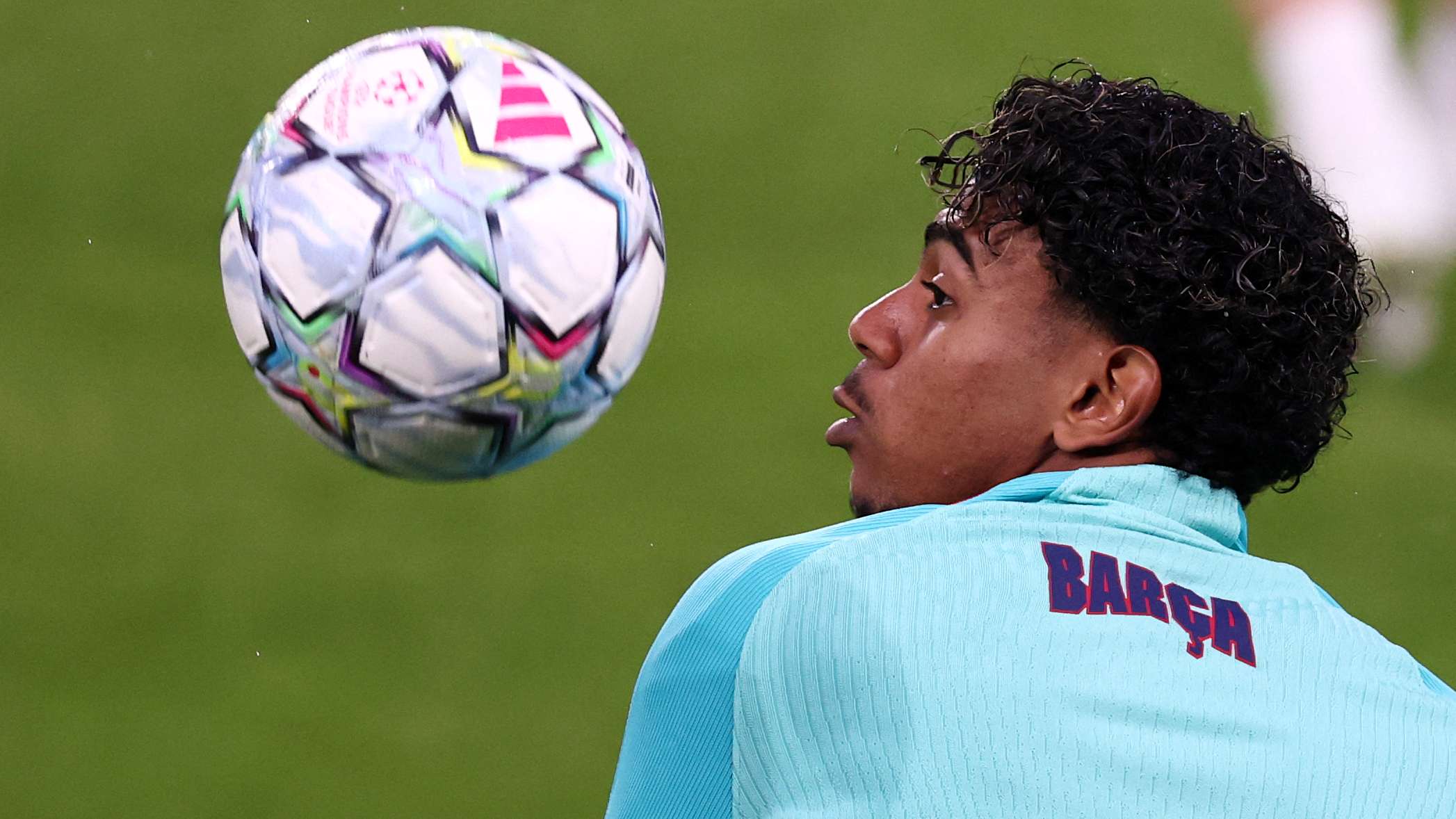
Yamal is not simply another talented winger. The Barcelona teenager can change a match with a burst of acceleration, a sharp change of direction or a curling shot from the edge of the area. His threat makes the PSG–Barcelona fixture one of the most compelling tactical contests in European football, with the hosts needing more than a like-for-like replacement for Mendes.
Why Nuno Mendes’ Absence Matters
Mendes has the speed, strength and defensive instincts to compete with elite wide attackers. His availability would have given PSG a natural option for tracking Yamal and contesting the space on Barcelona’s right flank. Without him, the responsibility must be shared by the replacement full-back, the winger ahead of him and the midfielders positioned nearby.
According to reporting attributed to French newspaper L’Équipe, Yamal has been a central subject in PSG’s internal discussions. While the young Spaniard may not have dominated public pre-match headlines, his influence is clearly shaping the preparation behind the scenes. For Enrique, the challenge is to limit Yamal’s opportunities without allowing Barcelona’s other attackers to exploit the defensive attention directed his way.
That balance is crucial. Commit too many players to Yamal and Barcelona may find space elsewhere. Leave the winger isolated with a defender, however, and he can turn a routine attacking possession into a dangerous chance. The key to PSG’s football prediction prospects may therefore be less about identifying one defender capable of stopping him and more about whether the team can execute a coordinated plan for the full 90 minutes.
PSG’s Two-Man Approach to Yamal
Reports from the Paris camp point towards a collective response built around a two-man approach. Rather than expecting the full-back to handle Yamal alone, PSG are likely to use a nearby winger or midfielder to provide cover whenever the Barcelona forward receives the ball in a threatening position.
The first defender’s job will be to close down space and prevent Yamal from turning freely. The second can block the route towards the penalty area, challenge for a loose touch or discourage him from cutting inside onto his stronger left foot. This kind of double-team can reduce the winger’s room to accelerate, but it requires careful timing. If the supporting player arrives too late, Yamal may already have beaten the first defender. If that player moves too early, Barcelona could use the resulting gap to advance through the middle.
Close the passing lanes, not just the player
PSG will also need to control how the ball reaches Yamal. Pressuring the passer, narrowing the space between the lines and positioning a holding midfielder in the inside channel could make it harder for Barcelona to find him in stride. Forcing Yamal to receive farther from goal—or with his back to the attacking direction—would give PSG’s defence more time to reorganise.
The plan may also involve guiding him towards crowded areas rather than allowing him to attack open space. That does not mean resorting to needless fouls or physical aggression. The more effective approach is to defend with discipline: keep distances compact, protect the penalty area and make Yamal’s next decision difficult.
Even a well-designed system cannot remove his influence entirely. Yamal is capable of creating chances from situations that appear under control, so PSG will need quick recovery runs and strong communication whenever their first line of pressure is bypassed. The supporting defenders must also remain alert to Barcelona’s overlapping runs, which can punish a team that focuses too narrowly on the winger.
Luis Enrique’s Personal Connection to Barcelona
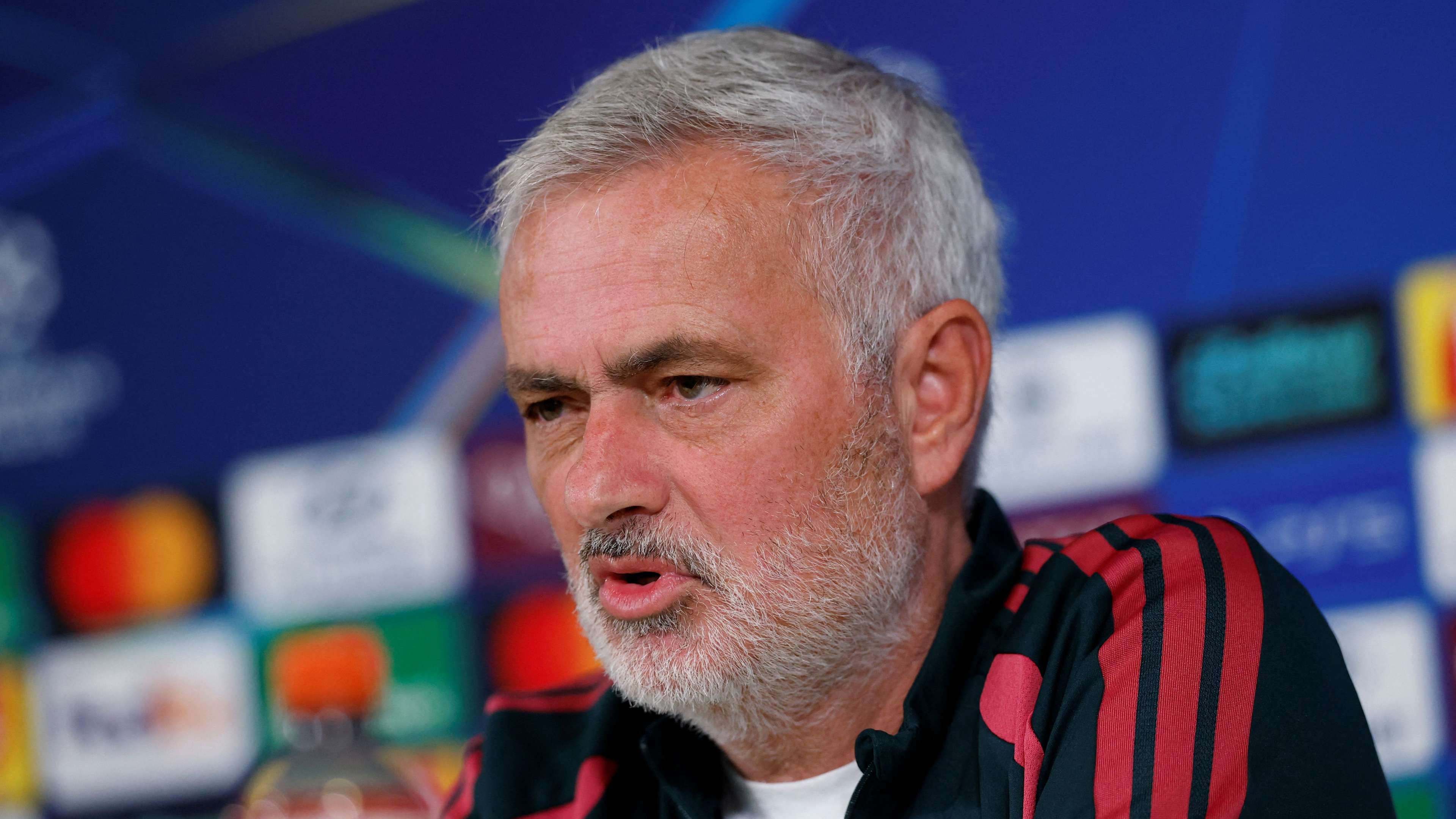
The fixture carries a personal dimension for Enrique, who previously coached Barcelona and remains closely associated with the club’s modern identity. His familiar gestures, humour and pointed remarks around Barcelona matches often reveal a more animated side of the PSG manager. That connection adds another layer to a contest already rich in tactical interest.
During recent discussion about his time in Catalonia, Enrique was asked which coach best represented Barcelona’s celebrated footballing identity. His response—a smile rather than a direct answer—was widely interpreted as a playful suggestion that he himself belonged in the conversation.
That confidence reflects a coach who understands Barcelona’s principles from the inside. Enrique knows the value the club places on possession, movement and creating overloads in wide areas. He also knows that a defensive plan cannot be limited to marking one player: Barcelona’s structure is designed to create options around the ball, and Yamal is most dangerous when those options are available.
What the Tactical Battle Could Mean for the Match
For PSG, the challenge is to defend Yamal without surrendering control of the wider game. A deep defensive block might reduce the space behind the back line, but it could also invite sustained Barcelona pressure. A high press may disrupt the supply to Yamal, yet it carries the risk of leaving space for him to attack if Barcelona escape the pressure.
The most likely solution is a flexible one. PSG can press when the ball is played towards the touchline, then retreat into a compact shape if Barcelona move possession beyond the first line. The nearest defender should engage Yamal, while teammates cover the inside channel and monitor runners. This approach demands concentration, especially during transitions, when Barcelona may look to release him quickly before PSG can form its defensive shape.
For supporters considering a football prediction for PSG versus Barcelona, the availability of Mendes and the effectiveness of PSG’s cover could be decisive factors. If the Paris side can restrict Yamal’s touches in dangerous areas, it may force Barcelona to build attacks through alternative routes. If he repeatedly receives the ball facing goal, however, the pressure on PSG’s replacement full-back could become difficult to sustain.
Ultimately, Enrique’s task is not to make Yamal disappear. Few opponents can do that. PSG must instead limit his space, disrupt the passes that find him and ensure he faces more than one defender whenever he threatens to break forward. The clash brings together a coach shaped by Barcelona’s past and a young winger widely viewed as part of its future. Whether the collective plan can contain that future may help determine the outcome of a defining Champions League night.