
Laporta Escalates Barcelona–Real Madrid Rivalry Ahead of El Clásico
Barcelona president Joan Laporta has launched another pointed attack on Real Madrid, accusing the club of losing credibility and questioning its expensive transfer strategy. His remarks add fresh tension to an already strained relationship between Spain’s two biggest football clubs, with El Clásico approaching at a crucial stage of the LaLiga campaign.
In an interview with French newspaper L’Équipe, Laporta said Madrid had suffered damage both on and off the pitch. He argued that the club had chosen the wrong direction and was now facing the consequences of spending heavily on players who, in his view, had not delivered the expected results.
The comments land amid contrasting league fortunes. Barcelona, coached by Hansi Flick, have made an impressive start, winning their first nine matches and establishing themselves as early title favourites. They hold a six-point advantage over Real Madrid ahead of next Sunday’s meeting, while Atlético Madrid sit between the rivals in the standings, one point ahead of Madrid.
Barcelona’s momentum raises the stakes
With the season still young, a Clásico result would not decide the title by itself. However, a Barcelona victory could strengthen their lead, increase pressure on Madrid and give Flick’s side an important psychological boost. Real, meanwhile, have gone two years without a major trophy, adding urgency to a fixture that already carries enormous sporting and cultural significance.
Any prediction for El Clásico must account for more than the league table. Form, injuries, tactical choices and the ability to handle the occasion can all shape the outcome. Barcelona’s winning run gives them confidence, but Madrid’s individual quality means they remain dangerous even when their performances fall short of expectations.
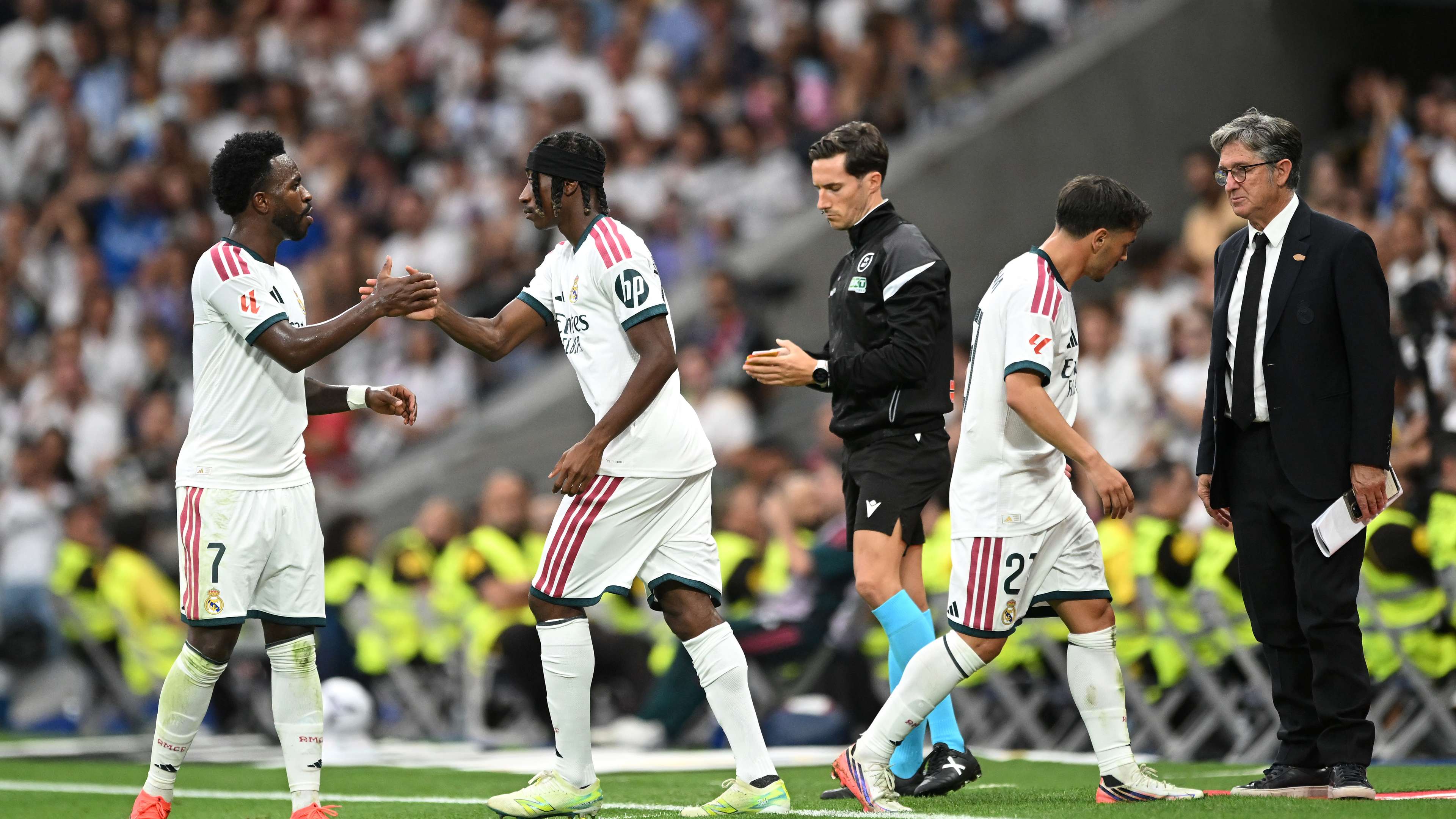
Laporta also suggested that the balance of personalities in Madrid’s squad could be a problem. Referring to stars such as Kylian Mbappé, Jude Bellingham and Vinícius Júnior, he said that having “more than one rooster in a henhouse” could make it difficult to build a harmonious team. The remark reflects a familiar debate around Madrid’s collection of high-profile attacking talent: how to combine individual brilliance with clear roles and collective discipline.
Barcelona, by contrast, have increasingly highlighted the contribution of players developed within their own system. Laporta presented the club’s reliance on homegrown talent as evidence of a more sustainable model. That approach can strengthen a team’s identity and reduce dependence on costly transfers, though it also requires patience and careful development. The comparison is part of the wider rivalry over not only results, but also how elite clubs should be built.
Why relations between Barcelona and Real Madrid have deteriorated
The sporting rivalry has long been intense, but Laporta described the clubs’ relationship as having moved beyond ordinary competition. “It no longer exists,” he said, characterising the current situation as a confrontation. His comments reflect months of public disputes involving club presidents, league officials and the Spanish refereeing system.
One of the central flashpoints is the Negreira case. Barcelona made payments over a number of years to companies linked to José María Enríquez Negreira, a former vice-president of Spain’s referees’ committee. The payments, reported to total as much as €7 million, have prompted investigations and allegations that the club sought to influence refereeing. Barcelona has denied wrongdoing, and the case remains a matter for the legal process rather than a settled finding of guilt.
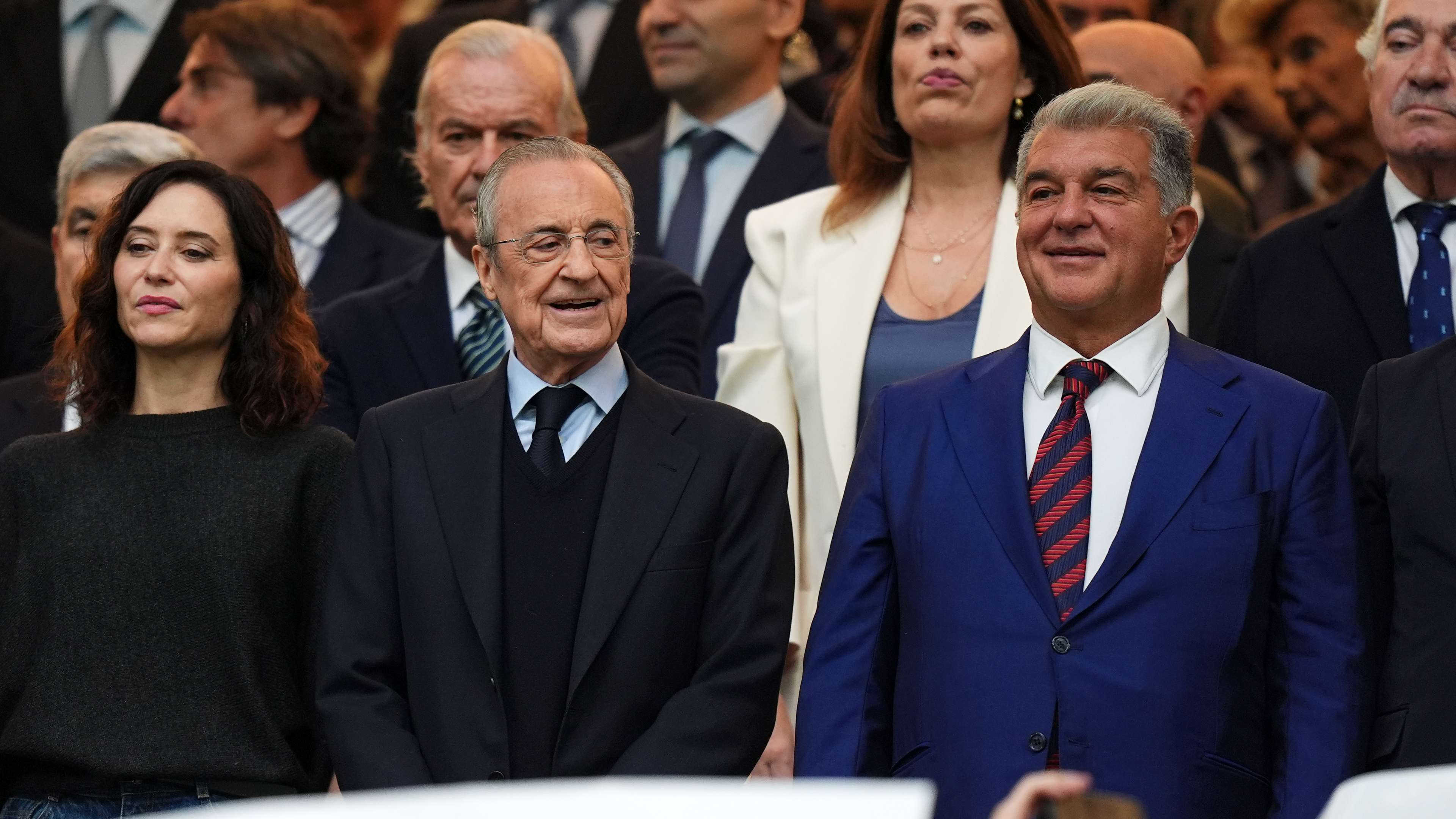
Real Madrid president Florentino Pérez has repeatedly criticised Barcelona over the affair. In May, he called it the most serious corruption case in football history. Pérez has also claimed that the controversy affected his club’s domestic prospects, saying he could have won more league titles. Those statements have further inflamed tensions, with Barcelona rejecting the accusations and defending its conduct.
A court hearing is scheduled for 25 November, followed by a mediation session in Madrid involving the parties. The legal proceedings could determine how the dispute develops, while any potential criminal case would require further steps. Until then, the allegations and counterclaims are likely to remain a prominent part of the public conversation around Spanish football.
Madrid’s wider dispute with LaLiga
Barcelona and Real Madrid are not the only parties involved in Madrid’s recent confrontations. The club is also locked in a dispute with LaLiga president Javier Tebas. Real Madrid has called for Tebas to resign after he criticised the club’s television channel on social media, accusing it of using propaganda tactics comparable to those of Nazi Germany.
Laporta defended Tebas before Barcelona’s league match against Real Betis, arguing that the LaLiga president had the experience needed to respond to attacks on the competition. He also accused Madrid of trying to undermine several institutions, including LaLiga and the Technical Committee of Referees. Madrid has expressed dissatisfaction with other football authorities as well, leaving the club at odds with multiple bodies in Spanish football.
These disputes have consequences beyond the exchange of sharp remarks. Trust between clubs and governing organisations is essential to the credibility of competitions, particularly when controversies involve refereeing, discipline or financial oversight. Public accusations can intensify scrutiny, but they can also make it harder for supporters to distinguish proven facts from partisan claims.
What to watch in the next Clásico
For fans, the immediate focus will be on the pitch. Barcelona will aim to use their home advantage and strong early-season form to extend their lead. Madrid will look to silence criticism by producing a convincing performance against their fiercest rivals. The contest between Barcelona’s collective structure and Madrid’s star power could prove central, as could each side’s ability to control transitions and limit space for elite attackers.
Laporta’s remarks ensure that the build-up will be charged, but the match itself will provide the clearest sporting response. A Barcelona win would reinforce the view that Flick’s team is currently the side to beat in Spain. A Madrid victory, however, could narrow the gap, disrupt the title prediction and restore confidence at a pivotal moment in the season.
Whatever the result, the growing institutional conflict means this Clásico carries significance beyond three points. It is another chapter in a rivalry shaped by football, legal controversy, competing club philosophies and a struggle for influence over Spanish football’s future.