
Dejan Kulusevski Says Long Injury Layoff Made Him a “Different Man” After Tottenham Return
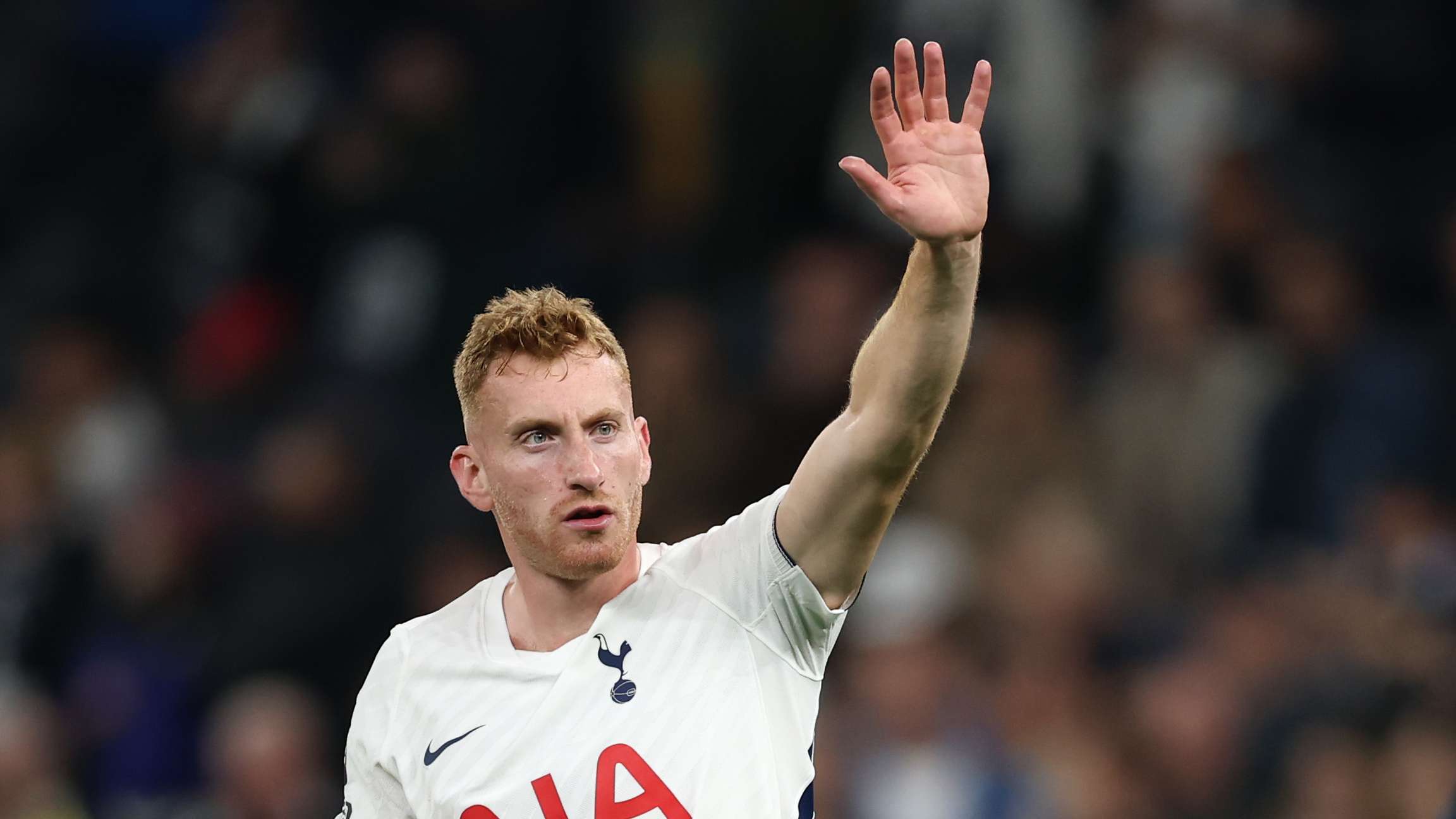
Dejan Kulusevski has described his return to competitive football as an emotional milestone, saying a lengthy spell on the sidelines changed him both as a player and as a person. The Sweden international made his first competitive appearance in 526 days during Tottenham Hotspur’s hard-fought victory over Coventry City on Monday, bringing an end to a frustrating period dominated by rehabilitation and uncertainty.
For Tottenham supporters, Kulusevski’s return offered more than a welcome sight of a familiar face back on the pitch. It was also a reminder of the patience and resilience required to recover from a serious injury. After more than a year away from competitive action, even a brief appearance can carry enormous significance—particularly for a player who had previously been an important part of Spurs’ attack.
A Significant Step in Tottenham’s Win Over Coventry
Tottenham’s victory over Coventry was a demanding contest, making the occasion especially meaningful for Kulusevski. Rather than returning in a low-pressure setting, he stepped back into competitive football during a match that required focus, composure and physical commitment. The appearance marked the first time in 526 days that he had featured in a competitive game, a milestone that underlined just how long and difficult his absence had been.
Match fitness is rarely restored in a single moment. A player returning from an extended injury layoff must gradually rebuild sharpness, confidence and the ability to cope with the pace of senior football. For Kulusevski, the Coventry match was an important first step—not necessarily a signal that the recovery process is complete, but clear evidence that he has reached a point where he can again contribute on the pitch.
That distinction matters. A return to action is a landmark, but it is also the beginning of another phase: carefully increasing minutes, regaining rhythm and learning how his body responds to the demands of regular competition. Tottenham will want to manage that process thoughtfully as the winger works towards his best form.
“A Different Man” After a Long Road Back
Kulusevski’s description of himself as a “different man” captures the personal impact of a prolonged injury absence. For professional footballers, recovery is often measured in medical assessments, training sessions and return dates. Yet the experience can also bring isolation, frustration and difficult questions about when normal life on the pitch will resume.
Being unavailable for more than 500 days means missing far more than match minutes. It can mean watching teammates compete while being unable to help, adapting to a routine centred on rehabilitation and facing the uncertainty that comes with a long recovery. The mental challenge can be as demanding as the physical work, particularly for a player accustomed to making an impact in high-level football.
His comments suggest that the experience has reshaped his perspective. A long layoff may deepen a player’s appreciation for everyday training, team involvement and the opportunity to compete. It can also encourage greater patience: progress is not always dramatic, and recovery often depends on small gains repeated consistently over time.
What Kulusevski Can Offer Tottenham
When fully fit, Kulusevski brings Tottenham creativity, direct running and the ability to operate in attacking areas. He can carry the ball into dangerous spaces, link with teammates and create problems for defenders through movement and close control. Those qualities make his return potentially important as Spurs look to maintain depth and variety across their forward line.
However, the immediate priority will be building his condition rather than placing unrealistic expectations on him. After such a lengthy absence, it would be premature to assume that he can instantly reproduce his previous influence across a full match. Gradual reintegration gives both the player and the club a better opportunity to manage the physical demands of the season.
For Tottenham, having another attacking option available can still make a difference. Squad depth matters across a long campaign, when injuries, suspensions and fixture congestion can place pressure on a team’s regular starters. Even as Kulusevski works towards full sharpness, his presence in training and matchday plans can broaden the manager’s choices.
Why the Return Matters Beyond One Appearance
Injuries are an unavoidable part of elite sport, but extended absences can alter the outlook of a season for both a player and a club. Kulusevski’s return therefore carries significance beyond the result against Coventry. It represents the conclusion of one difficult chapter and the start of a gradual effort to reclaim his place in Tottenham’s plans.
It also offers a broader reminder that recovery does not follow a simple, predictable timetable. Players may reach key milestones at different speeds, and a successful comeback depends on more than being cleared to play. Confidence, conditioning and the ability to withstand repeated match demands all take time to rebuild. Supporters may be eager to see Kulusevski feature more often, but a measured approach could be crucial to sustaining his progress.
For Swedish football, his return is encouraging as well. Kulusevski has been an important figure for his country, and a healthy, match-ready version of the attacker could strengthen Sweden’s options in future international fixtures. As with Tottenham, the priority will be ensuring that he can build momentum safely before taking on a heavier workload.
Looking Ahead: Patience, Progress and Prediction
The most reasonable prediction is that Kulusevski’s minutes will increase gradually as he continues to demonstrate that he can handle the intensity of competitive football. His appearance against Coventry provides a positive starting point, but the next stages of his comeback will be judged through steady progress rather than one headline moment.
If he can regain rhythm without setbacks, Tottenham could benefit from his creativity and versatility as the campaign develops. His return may also provide an emotional lift within the squad, particularly after such a long period away from the group. Still, expectations should remain balanced: the road from a first appearance to consistent, influential performances is often a gradual one.
For Kulusevski, the significance of Monday’s match is clear. After 526 days away from competitive action, he is back playing football—and he says the experience has changed him. Tottenham will hope that this long-awaited return becomes the foundation for a sustained comeback, while the player himself appears ready to approach the next challenge with a renewed perspective.