
UEFA Demands Answers from FIFA in Governance Dispute
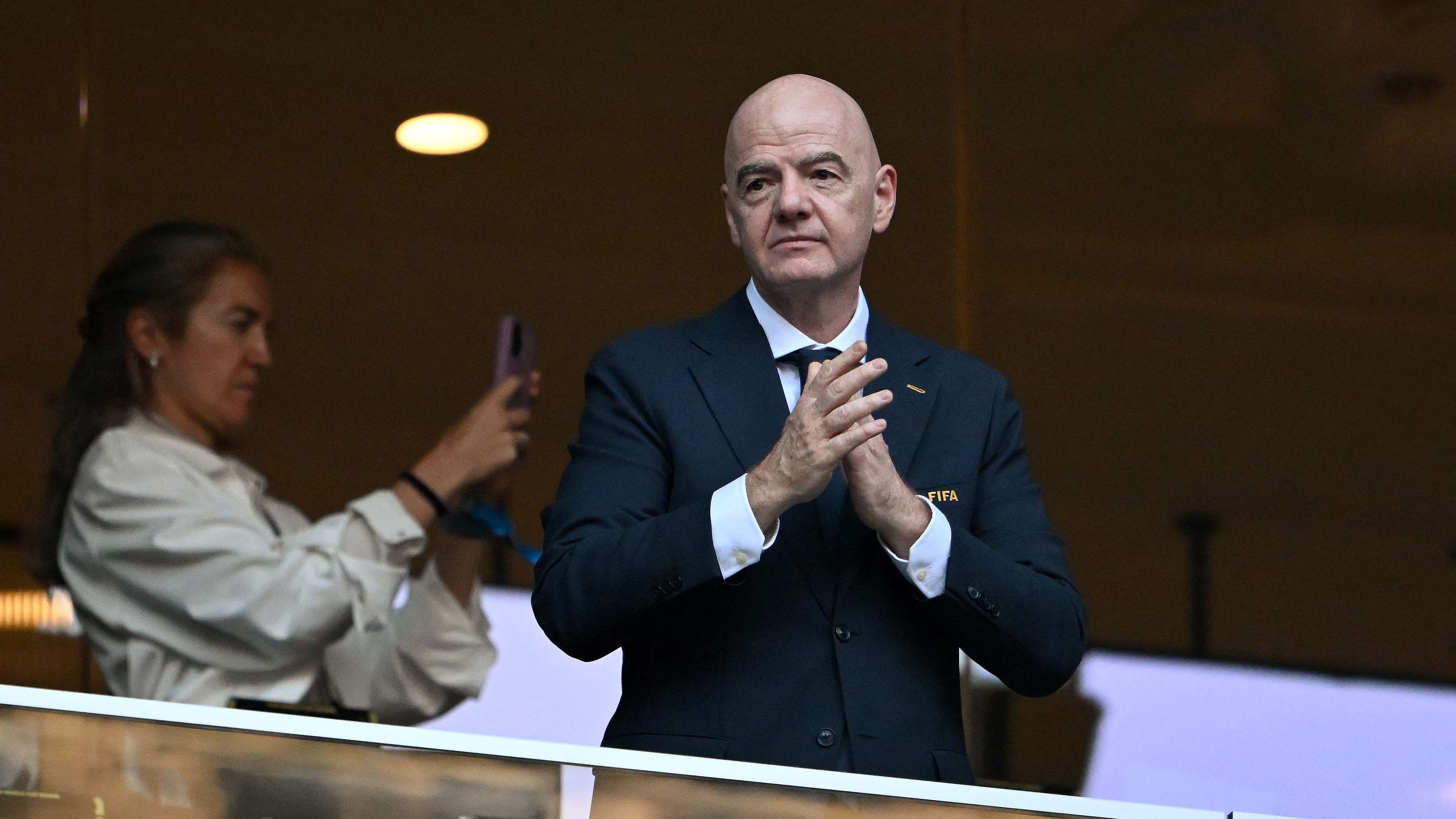
UEFA has issued a formal demand for greater transparency from FIFA president Gianni Infantino, putting pressure on football’s global governing body to explain a series of disputed decisions and the collapse of a private investment initiative. The European football authority has set November 2 as the deadline for FIFA to release relevant internal documents and respond in detail to outstanding questions.
The demand raises the stakes in a dispute over how major decisions are made and communicated within the sport. While the precise contents of UEFA’s request have not been detailed publicly, the organization is seeking a fuller account of the governance process behind the matters under scrutiny. Its position is that football’s governing bodies should be able to show how significant choices were reached, who was involved, and what safeguards were in place.
What UEFA Is Asking FIFA to Disclose
At the center of the request is access to internal records, alongside comprehensive answers to a lengthy list of questions. Those materials could help clarify the timeline of events, the roles played by relevant officials, and the reasoning behind decisions that have drawn criticism. UEFA’s demand also concerns a private investment scheme that reportedly failed, although further public details about the proposal, its structure, and its financial implications remain limited.
That lack of detail makes documentation especially important. Without a clear record, observers may struggle to distinguish between confirmed facts, competing interpretations, and speculation. UEFA’s call for information is therefore not simply about obtaining statements: it is also about establishing a verifiable account of what happened and how the organization responded.
FIFA’s response will be closely watched by national associations, clubs, players, sponsors, and supporters. These groups have a shared interest in the integrity of football’s institutions, even if they experience the consequences of governance decisions in different ways. For clubs and leagues, confidence in the sport’s leadership can affect commercial planning and competition arrangements. For fans, transparency helps sustain trust in the organizations that oversee the game.
Why Football Governance Matters
FIFA and UEFA occupy influential positions in international football. FIFA oversees the global game and its flagship competitions, while UEFA administers football across Europe, including major club and national-team tournaments. Their decisions can shape competition formats, commercial opportunities, regulations, and the distribution of resources throughout the sport.
Because those choices have wide-reaching effects, governance disputes rarely remain confined to boardrooms. Questions about accountability can influence public confidence in competitions and the officials who run them. A clear explanation of a controversial decision can help address concerns; an incomplete or delayed response may leave room for further criticism.
Transparency is also central to responsible institutional management. In practical terms, it means providing accurate information, explaining decision-making processes, and making relevant records available where appropriate. It does not necessarily require every confidential discussion to be published. However, when a decision becomes the subject of serious questions, organizations are often expected to explain the principles and procedures behind it.
The Significance of the November 2 Deadline
UEFA’s deadline gives the dispute a defined next step. FIFA now faces pressure to respond by November 2 with documents and answers that address the concerns raised. Whether the global body meets the deadline, provides a partial response, or challenges the scope of the request could shape the next phase of the relationship between the two organizations.
A complete and timely response could help reduce uncertainty and demonstrate a willingness to engage with oversight concerns. If FIFA does not provide the requested information, UEFA may face pressure to explain what action it intends to take next. At this stage, however, the consequences of a missed deadline are not clear, and no outcome should be treated as certain.
The issue also highlights the difference between a formal demand and a final finding. UEFA’s request signals that it wants answers; it does not, by itself, establish wrongdoing by FIFA or any individual. The underlying facts will depend on the documents, explanations, and any further information that becomes available. Keeping that distinction in mind is important as the story develops.
What the Failed Investment Scheme Could Mean
The reference to a failed private investment scheme adds another dimension to the dispute. Investment proposals connected to sport can involve complex arrangements, commercial expectations, and questions about risk and oversight. If a project does not proceed as planned, stakeholders may reasonably ask who assessed the proposal, what information was considered, and how potential financial or reputational risks were managed.
At present, the public record described in the original announcement does not provide enough detail to assess the scheme’s structure or explain why it failed. UEFA’s request for internal records could help establish whether the initiative was formally approved, how it was evaluated, and what steps were taken after it collapsed. Until those details are confirmed, conclusions about its impact would be premature.
What to Watch Next
The immediate focus is whether FIFA responds by the November 2 deadline and how much information it makes available. Observers will also be looking for clarity on the disputed governance decisions, the timeline surrounding the investment proposal, and whether the two organizations can resolve their differences through dialogue.
For supporters following football news, the story is a reminder that the sport’s biggest developments are not always decided on the pitch. Governance, finance, and institutional accountability can influence the direction of competitions just as significantly as results, transfers, or managerial changes. Any prediction about the dispute’s eventual outcome should therefore be cautious: much depends on the contents of UEFA’s request, FIFA’s reply, and whether both bodies can agree on a credible path forward.
For now, UEFA’s demand places transparency firmly at the center of the debate. FIFA’s next response will help determine whether the controversy moves toward clarification or becomes a longer-running test of trust between football’s two powerful governing organizations.