
Indonesian Pair Ends Treesa Jolly and Gayatri Gopichand’s Syed Modi International Title Run
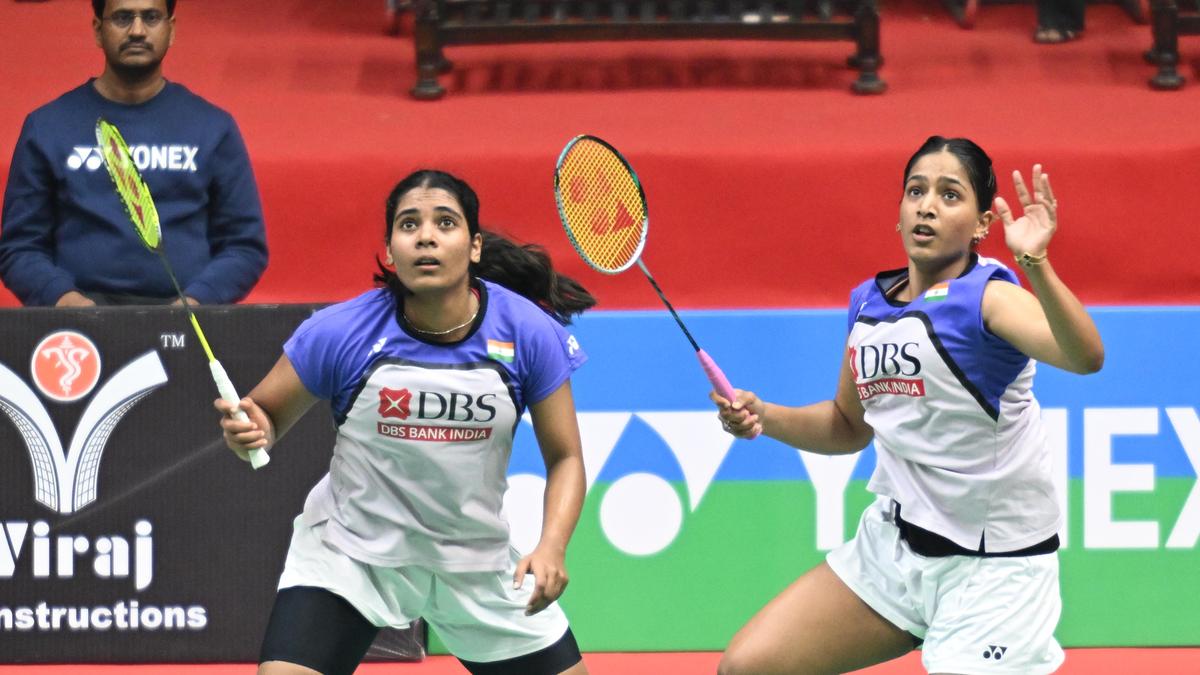
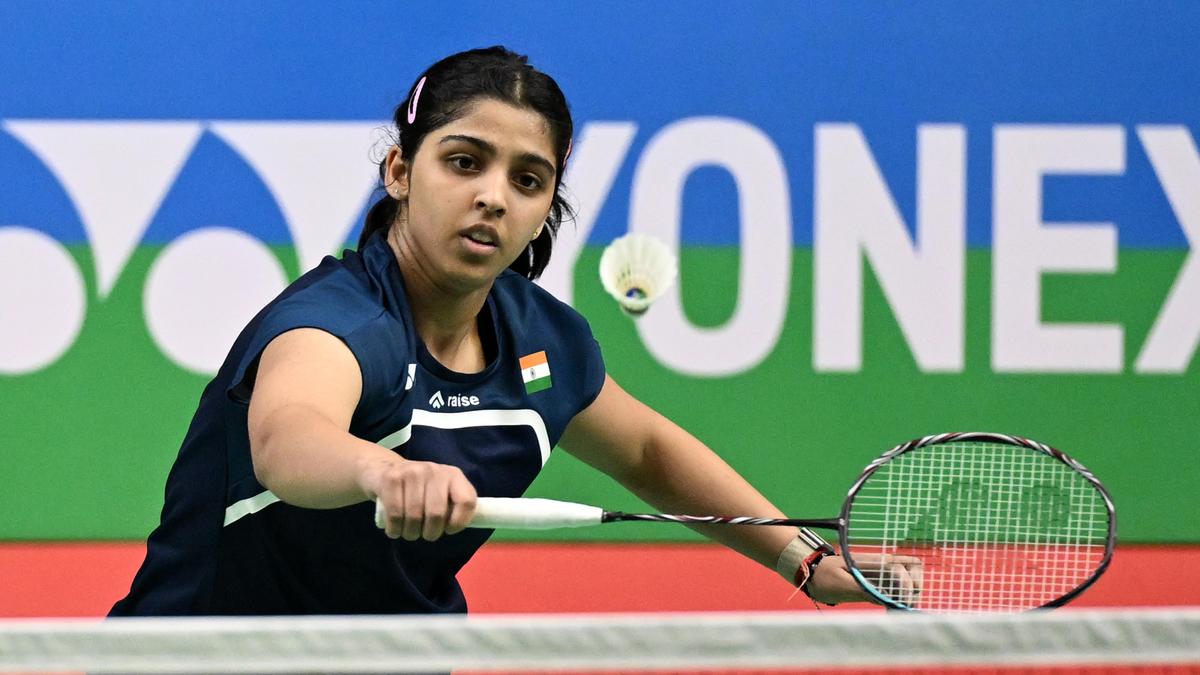
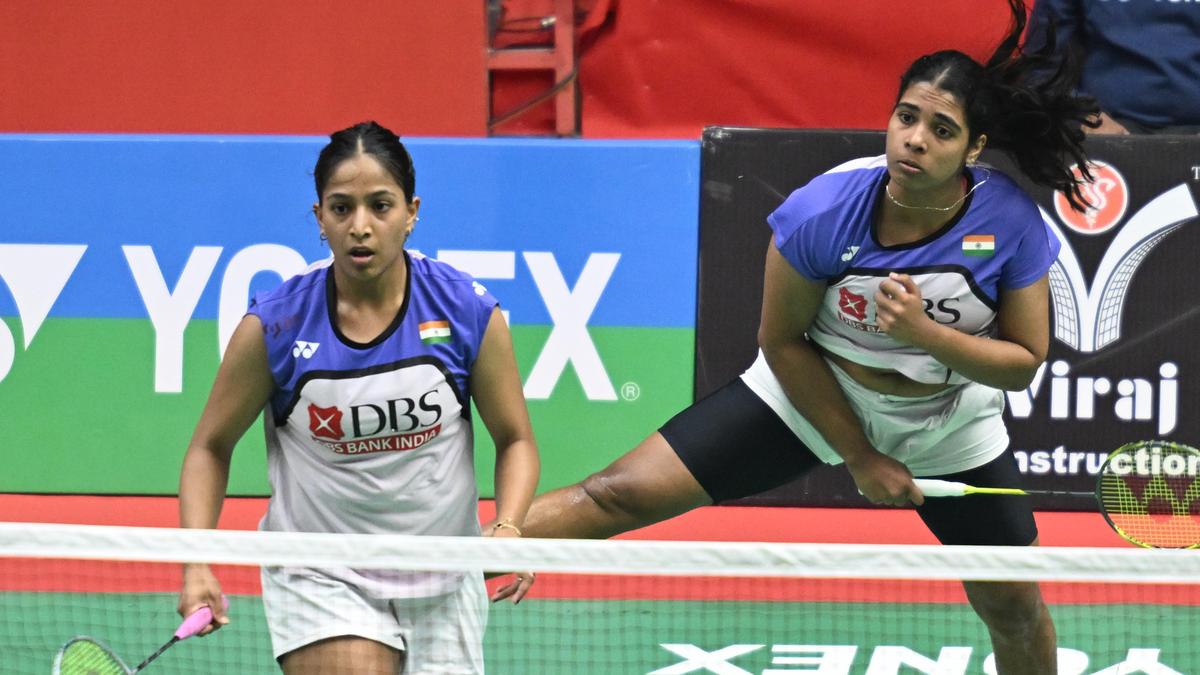
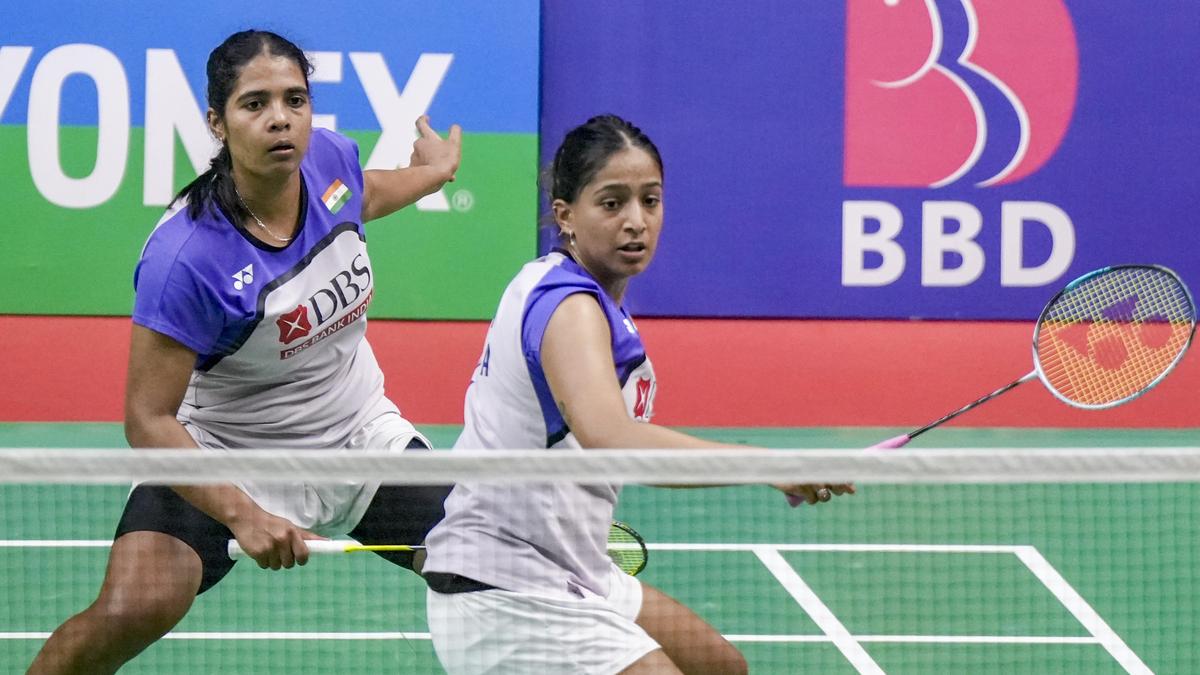
India’s Treesa Jolly and Gayatri Gopichand fell just short of a third consecutive women’s doubles crown at the Syed Modi International 2026, losing a gripping three-game final to Indonesia’s Isyana Meida and Rinjani Nastine on Sunday. The fourth seeds recovered from a dramatic opening-game defeat to win 22-24, 21-12, 21-19 in 79 minutes and claim the Super 300 badminton title.
The result ended the Indian top seeds’ bid for a hat-trick at the tournament. Treesa and Gayatri, ranked No. 19 in the world, had won the women’s doubles trophy in each of the previous two editions. Their latest final showed how close they came to extending that run, but Meida and Nastine held firm when the deciding game reached its most tense stage.
Indians Save Game Points Before Losing a Close Opener
The first game set the tone for a final defined by momentum swings. Meida and Nastine reached the mid-game interval with an 11-9 advantage and continued to apply pressure after the break. Their precise attacking play and control at the net helped them build a sizeable lead, eventually earning four game points.
Treesa and Gayatri refused to let the opening game slip away. The Indian pair saved all four opportunities and then fought off one more, turning a difficult position into a chance to take the lead in the match. Their resilience reflected the experience they have gained from repeated appearances on the international badminton circuit, as well as their familiarity with the expectations of a home final.
The comeback was completed as the Indians edged the game 24-22. It was a significant psychological boost, but the narrow scoreline also hinted at how evenly matched the two partnerships were. Meida and Nastine had created several chances to close out the game, yet they would need to reset quickly and avoid allowing the same pattern to develop again.
Meida and Nastine Respond with a Commanding Second Game
The Indonesian pair responded decisively in the second game. Rather than letting the opening loss affect their confidence, Meida and Nastine increased the pressure and took control of the rallies. They moved quickly into attacking positions, forced the Indians into uncomfortable defensive exchanges and built a lead that was far more substantial than the one they had surrendered in the first game.
The fourth seeds earned nine game points, putting themselves in a commanding position to level the match. Treesa and Gayatri saved one, but they could not produce another extended escape. Meida and Nastine converted the next opportunity to take the game 21-12 and send the final into a decider.
That second-game turnaround was crucial. It gave the Indonesians fresh belief and ensured that the final would be decided by a single game, rather than by the Indians’ opening-game recovery. For Treesa and Gayatri, the challenge was to regain the attacking rhythm they had shown late in the first. For their opponents, the task was to carry their improved control into the final stretch.
Decider Swings from Indonesian Start to Indian Fightback
Meida and Nastine began the deciding game strongly, opening a 7-3 lead and placing the Indian top seeds under immediate pressure. Treesa responded with renewed energy, driving the pair’s push back into the contest. The Indians won a series of important points and went into the mid-game interval ahead 11-8, appearing to have turned the momentum in their favour.
The three-point advantage gave Treesa and Gayatri a platform to close out the match, but the Indonesians remained within reach. As the game progressed, a run of errors from the Indian pair disrupted their rhythm and allowed Meida and Nastine to narrow the gap. The fourth seeds made the most of those openings, keeping their returns in play and forcing the Indians to work for every point.
The score was level at 19-19, leaving both partnerships two points from victory. At that stage, the pressure of a major final was unmistakable. Meida and Nastine handled the decisive exchanges more cleanly, while Treesa and Gayatri could not recover the control they had established before the interval. The Indonesians claimed the final two points to seal a 21-19 win in the deciding game.
A Narrow Defeat for India’s Experienced Pair
The loss will be disappointing for Treesa and Gayatri, particularly after their late comeback in the first game and their lead at the interval in the decider. Still, reaching another Syed Modi International final underlines their consistency in women’s doubles and their ability to compete deep into high-level badminton events. Their two previous titles at the tournament also remain a notable achievement.
For Meida and Nastine, the victory marks a significant breakthrough. The Indonesian fourth seeds showed composure after losing the first game, then adapted their approach to take control of the match. Their ability to recover from the Indians’ late opening-game surge and maintain their nerve at 19-19 proved decisive.
The final also offered a reminder of how quickly a doubles match can change. A pair can dominate one stretch, lose control in the next and still find a route back through disciplined defence and sharper decision-making. In a contest lasting 79 minutes, small details—including serve quality, placement and unforced errors—made the difference between a third consecutive Indian title and a breakthrough Indonesian triumph.
What the Result Means for the Syed Modi International
The women’s doubles final provided one of the tournament’s most compelling finishes, bringing together a home partnership chasing history and an Indonesian pair determined to make the most of their opportunity. Although Treesa and Gayatri could not complete their hat-trick, their run to the final reinforced India’s presence in the discipline. Meida and Nastine, meanwhile, leave the Syed Modi International 2026 with a valuable Super 300 title and the confidence that comes from defeating an established top-seeded pair.
For badminton fans, the match was a showcase of the sport’s demanding mix of speed, patience and pressure management. The Indians produced a memorable recovery in the first game, while the Indonesians answered with resilience of their own. In the end, it was Meida and Nastine’s steadier execution in the final moments that settled a close and entertaining final.