
India’s 2028 Thomas and Uber Cup Hosting Comes With a Major Format Change
India is set to host the Thomas Cup and Uber Cup Finals in 2028, bringing badminton’s premier men’s and women’s team competitions to the country. But the event will not follow the familiar format that players and fans have known for years. The Badminton World Federation (BWF) has approved a shorter tie structure, replacing the traditional best-of-five contest with a best-of-three format played under the 3×15 scoring system.
The change is intended to reshape how team ties are contested, with fewer matches deciding each encounter. Yet in India, the announcement has prompted a debate about more than match length. Players and officials are asking how the new format could affect squad selection, opportunities for emerging athletes and the team spirit that makes international badminton events distinctive.
Fewer matches could mean fewer places in India’s squad
Under the previous Thomas and Uber Cup format, each tie featured three singles matches and two doubles matches. The revised structure will include two singles and one doubles match, reducing the number of contests required to decide a team result. That may make ties more compact, but it could also reduce the number of players needed in a national squad.
For India’s top-ranked athletes, the shift may not dramatically alter their prospects. The concern is more pronounced among players just outside the leading positions, who could find it harder to earn selection when fewer disciplines and match opportunities are available.
Men’s doubles player M.R. Arjun, who competes with Dhruv Kapila, expressed reservations after his Round of 16 match at the Syed Modi India International 2026. Arjun said team competitions are among the rare occasions when players experience the emotion of representing the country alongside their teammates. Although he acknowledged that the BWF’s decision may be intended to benefit badminton, he said players would have to adapt to the new system.
His comments reflect a broader concern: team selection is not only about ranking, but also about giving athletes a chance to contribute in a national setting. When a tie contains fewer matches, coaches may have less room to rotate players or include specialists who sit just below the country’s leading combinations.
Women’s singles depth faces a closer test
The selection question is also relevant in women’s singles. P.V. Sindhu remains India’s most established player in the discipline, while the contest for places behind her is more open. A shorter team tie could make the second singles position especially important, potentially intensifying competition among the country’s rising players.
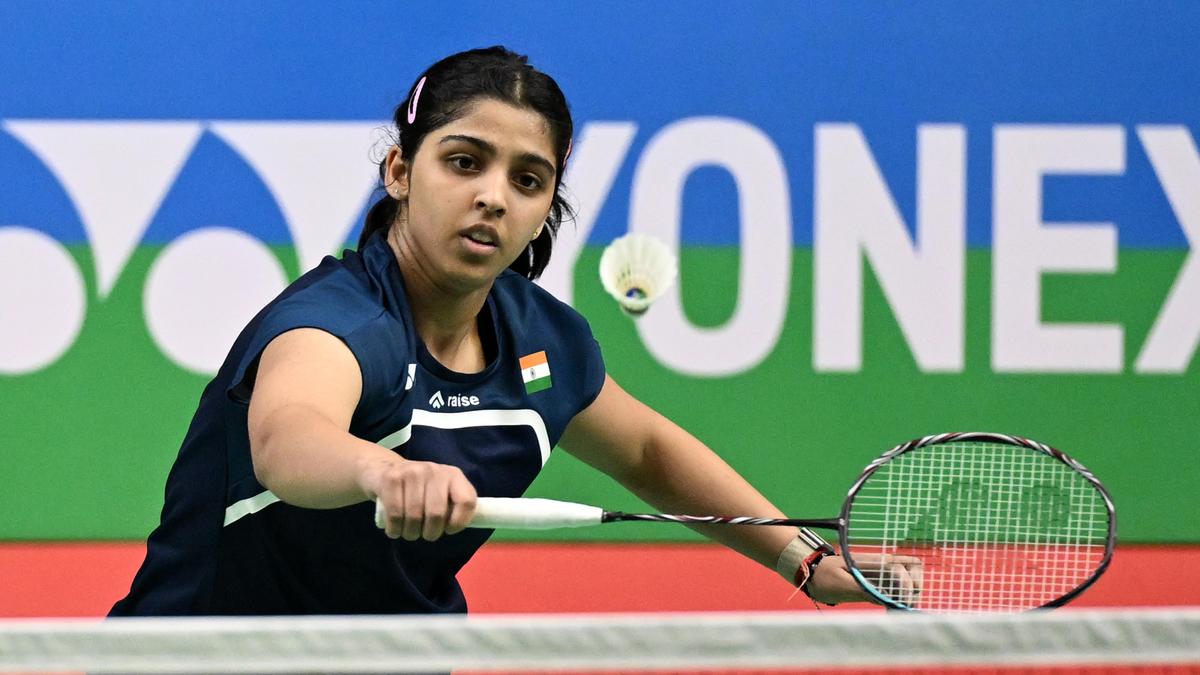
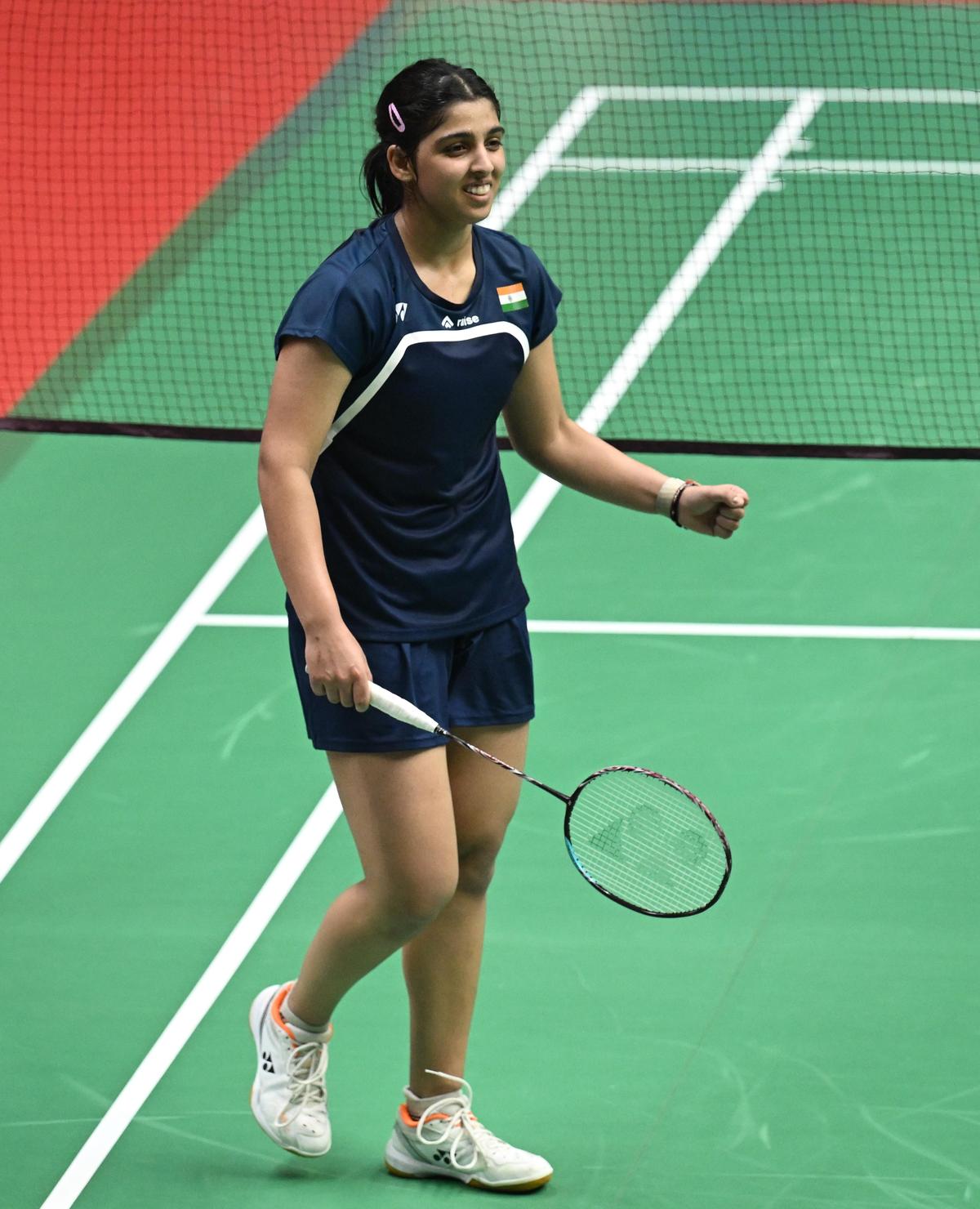
Young Indian shuttler Tanvi Sharma has drawn attention with her recent performances. She reached the final of the Syed Modi India International after defeating compatriot Unnati Hooda, and Sindhu has identified Tanvi among the players she believes could break into the world’s top 20. Tanvi, however, is conscious that strong individual results do not automatically guarantee a place in a major team event.
After a quarterfinal victory, Tanvi described the Thomas and Uber Cup as a prestigious competition but suggested that the revised format could favour senior players. Her remarks underline the uncertainty facing younger athletes: they may be progressing quickly on the international circuit, yet have fewer chances to gain experience in one of badminton’s most high-pressure team environments.
Team spirit is part of the competition’s appeal
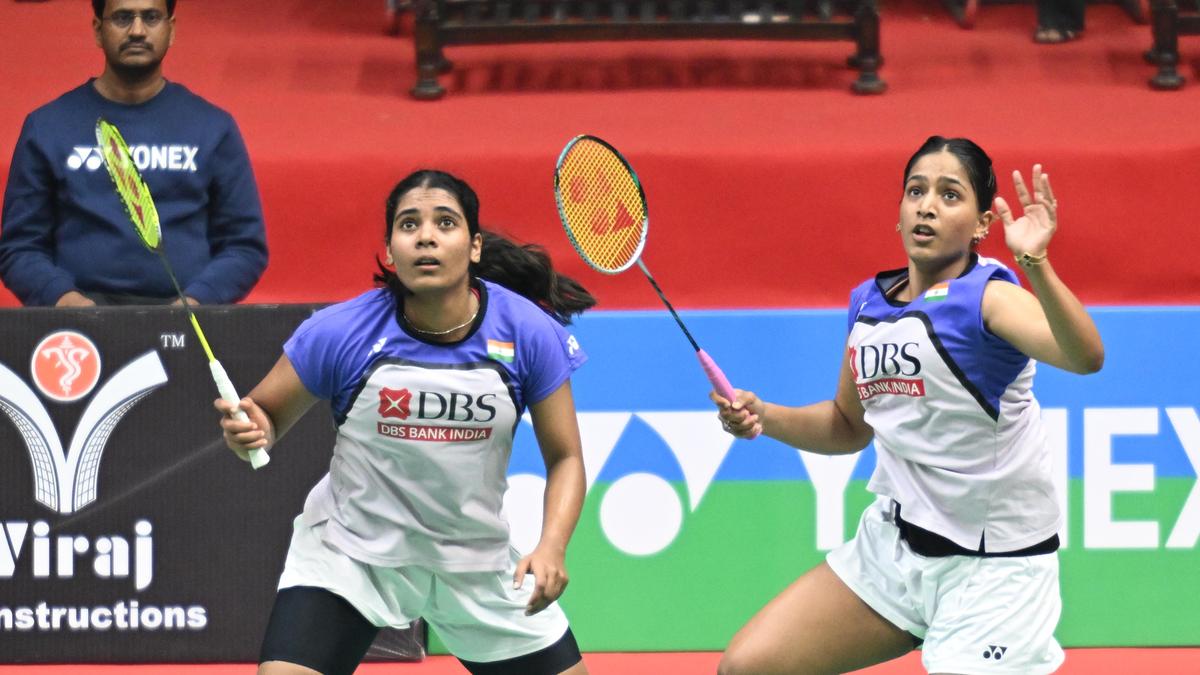
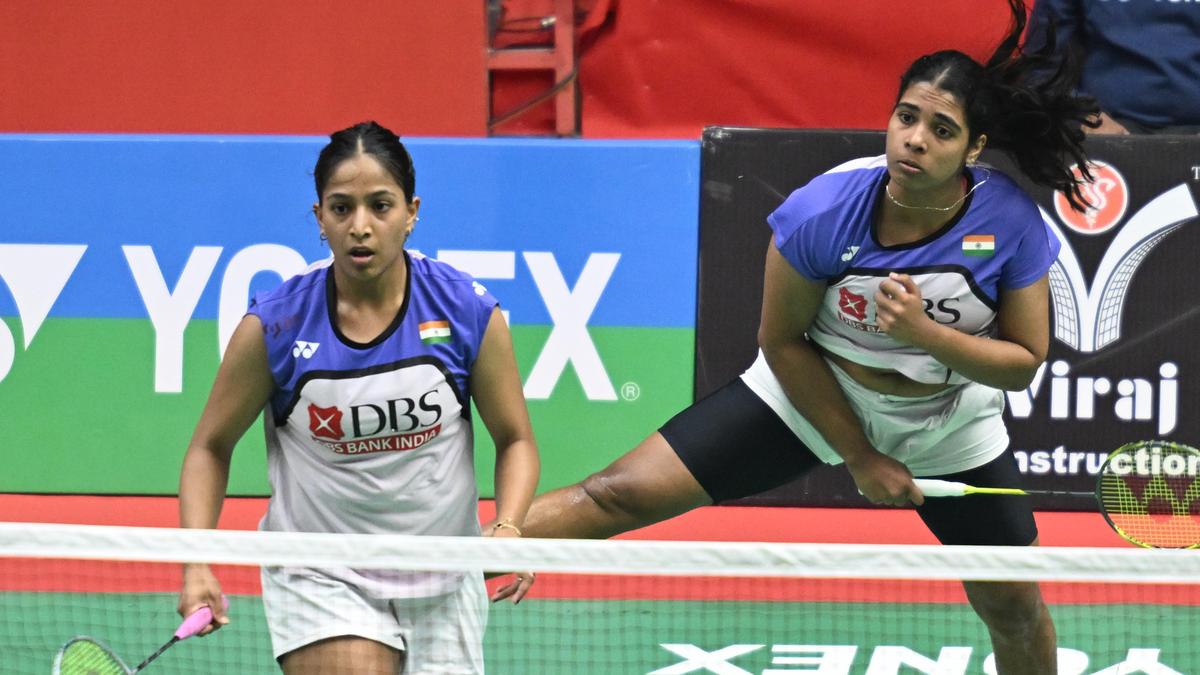
India’s leading women’s doubles pair, Treesa Jolly and Gayatri Gopichand, appear well placed to be considered for the Uber Cup squad. Their position near the top of the national hierarchy may offer greater security than that of players lower down the rankings. Even so, Treesa has voiced concern about what the change could mean for the wider squad.
She said team championships offer a special sense of unity and shared purpose, an atmosphere that differs from the individual tour. With fewer matches on the schedule, she worries that opportunities could concentrate around the highest-ranked players. That could make selection more competitive while limiting the number of athletes who experience the pressure and camaraderie of a major international team event.
For players, that experience can matter beyond the result of a single tie. Competing as part of a squad exposes athletes to different tactical roles, shared preparation and the responsibility of supporting teammates. It can also help younger shuttlers understand the demands of international competition before they become regular members of the senior team.
BAI official points to a wider global strategy
Rajesh Kamal, a Badminton Association of India (BAI) official at the Syed Modi India International 2026, said the reduced match count could make selection more difficult for athletes outside the top group. With two singles and one doubles match in each tie, he argued, the available places may be concentrated among a smaller number of leading players. In his view, that could narrow the pathway for those who previously might have been included in a larger team.
Kamal also offered a possible explanation for the BWF’s decision. The change may be designed to make the competition more accessible to nations that do not yet have enough elite players to field a competitive five-match line-up. Countries in Africa and Latin America, for example, may face challenges building depth across both singles and doubles disciplines.
That consideration has become more significant as the Thomas and Uber Cup Finals expand from eight teams to 24. A broader field gives more badminton nations the chance to qualify and compete, reflecting the BWF’s ambition to grow the sport beyond its traditional powerhouses. India, China, Indonesia and Malaysia remain among the established forces, while countries such as France have also strengthened their presence on the international stage.
India’s 2028 campaign will test both depth and adaptability
The new format presents a clear trade-off. Shorter ties may help broaden participation and make the event more manageable for developing badminton nations. At the same time, they could reduce squad sizes and make selection more demanding for players who are not already established starters.
As host nation, India will enter the 2028 Thomas and Uber Cup Finals with strong expectations and the advantage of competing at home. Its challenge will be to build teams that can succeed within the revised structure while ensuring that the pathway to international selection remains open to emerging talent. The coming seasons will show how coaches respond, how the BWF’s format works in practice and whether the competition can balance wider global access with the team spirit players value so highly.