
India’s Top Raiders Power Unbeaten Kabaddi Run to Asian Games 2026 Gold
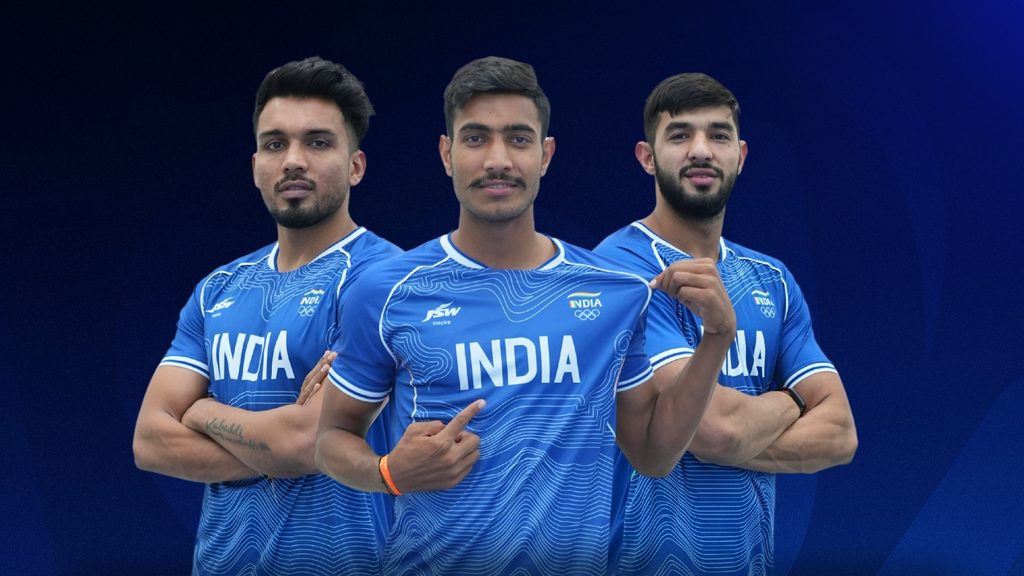
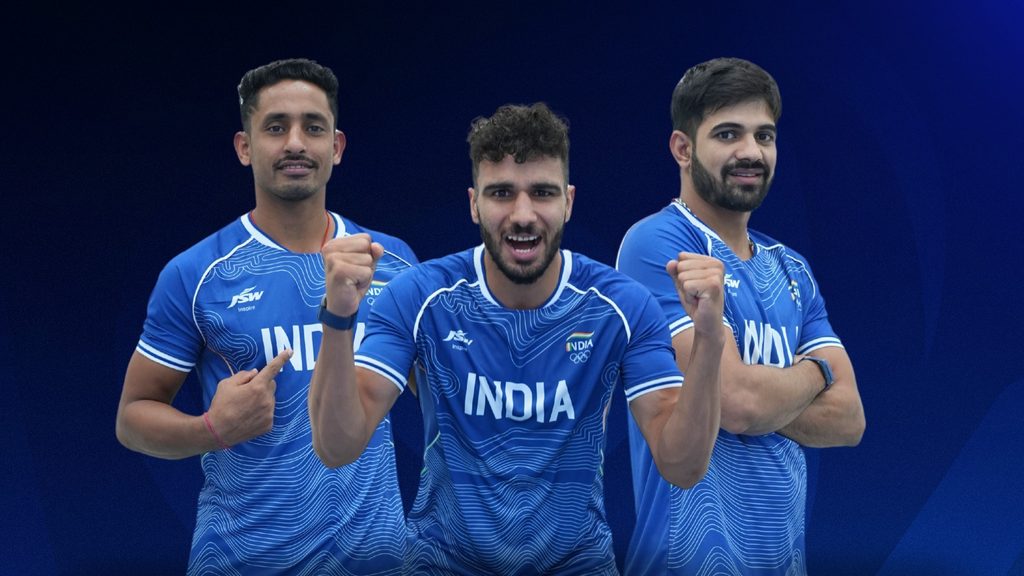
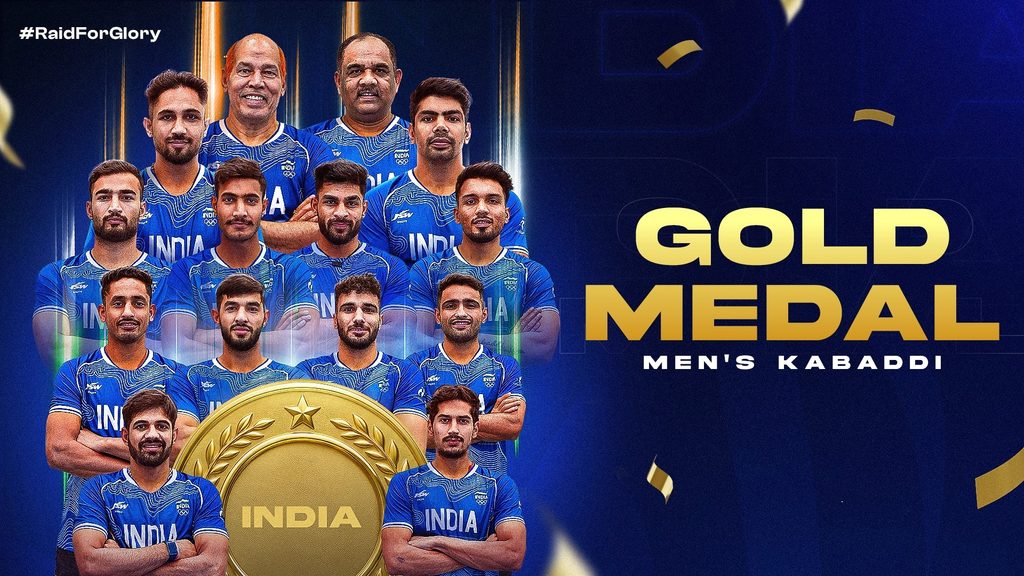
India’s kabaddi campaign at the Asian Games 2026 was defined by speed, composure and relentless attacking pressure. The men’s team completed an unbeaten run to the gold medal, with raiders Devank Dalal, Arjun Deshwal and Ayan Lohchab playing central roles in the journey. Each brought a different strength to the mat: Devank made an eye-catching tournament debut, Arjun supplied the assurance of a proven big-match performer, and Ayan added explosive pace and attacking ambition.
Together, the trio gave India several ways to challenge opposing defences. Their performances were not simply about collecting raid points. They helped set the tempo, put defenders under pressure and give the team options when a match demanded a change in approach. For fans following kabaddi at the Asian Games, their contributions offered a compelling look at how individual raiding talent can serve a wider team strategy.
Three Raiders, Three Different Strengths
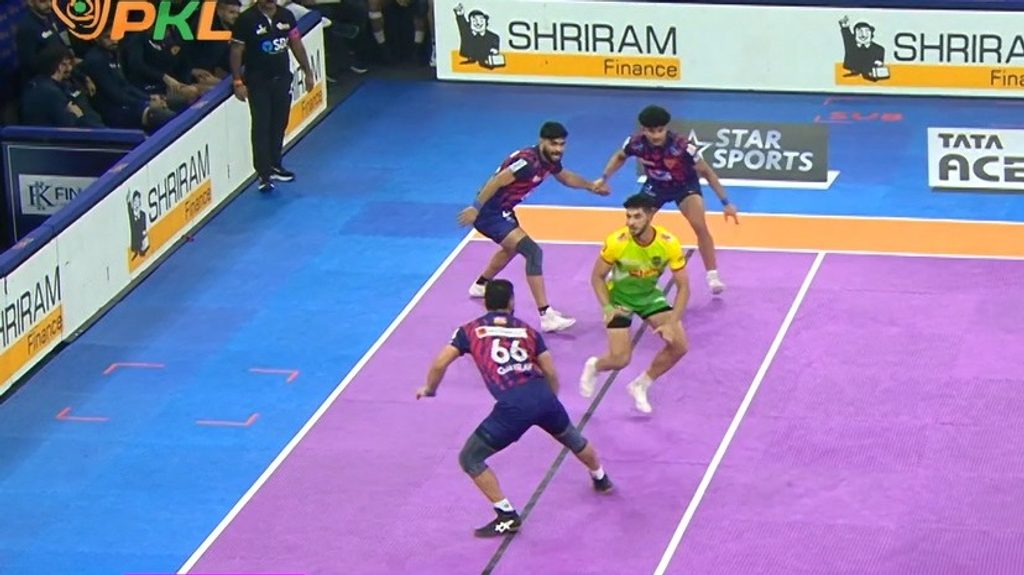
Successful raiding requires more than speed. A raider must read the defensive formation, judge how much time remains, identify a vulnerable defender and make a safe return across the midline. The best attackers can also adapt when opponents change their shape or begin targeting them with coordinated tackles. India’s leading raiders brought complementary qualities to those challenges throughout the tournament.
Devank Dalal: A Debut That Made an Impression
Devank Dalal’s standout debut was one of the defining stories of India’s campaign. Making an impression on a major international stage is a demanding task, particularly in a competition where every match carries the pressure of representing the country. Devank showed the confidence to take on defenders and the attacking intent needed to keep opposition teams alert.
A strong debut can have value beyond an individual scoreline. It gives a team another credible option in attack, allowing the coach to rotate raiders and avoid placing the entire scoring burden on one player. Devank’s arrival also gave India fresh energy during raids, helping the side maintain its attacking threat as the tournament progressed.
For supporters, his performance was a reminder of the depth emerging in Indian kabaddi. A new face stepping into a high-pressure role and contributing to a gold-medal campaign can be an important sign of the sport’s continuing talent pipeline.
Arjun Deshwal: Experience in High-Stakes Moments
Arjun Deshwal brought valuable big-game experience to the raiding unit. In close contests, experience often shows in small but decisive choices: whether to attempt a bonus, when to retreat, how to respond to a defensive trap and when to take a calculated risk for a touch point. Arjun’s familiarity with demanding matches gave India a composed presence in attack.
That calmness is especially important when the opposition is building momentum. A well-timed successful raid can interrupt a defensive run, restore confidence and shift pressure back onto the other side. Arjun’s role was therefore about more than individual attacking ability; his experience helped provide balance and reliability within a fast-moving team effort.
His presence also complemented the energy of the younger raiders. When a team combines emerging talent with a player accustomed to major occasions, it can manage different match situations more effectively. That blend helped India remain disciplined while still playing with the aggression required to pursue gold.
Ayan Lohchab: Explosive Raiding and Attacking Intent
Ayan Lohchab supplied the explosive dimension of India’s raiding attack. Quick acceleration and decisive movement can force defenders to react before they have time to settle into position. Ayan’s attacking style gave India the ability to put immediate pressure on a defensive line and create uncertainty over who would make the next move.
Explosive raiding can be particularly useful against compact formations, where defenders are prepared to close in together. A sudden change of direction or burst of speed may open a narrow opportunity for a touch and a safe escape. Even when a raid does not produce a point, an assertive approach can make opponents adjust their formation, creating different openings for the next attacker.
Ayan’s energy also helped keep India’s attack varied. When raiders offer contrasting styles, defenders cannot rely on a single plan. The challenge of preparing for a composed, experienced raider as well as a rapid, attack-minded one can make a defensive unit less predictable and more vulnerable to mistakes.
How the Trio Supported India’s Gold-Medal Campaign
India’s unbeaten run was built on collective performance, not one player’s contribution alone. The raiders had to work in tandem with defenders, who were responsible for stopping opposition attacks and creating opportunities for India to regain possession. A successful tackle can shift momentum, while a productive raid can turn that momentum into points. The connection between those phases is central to kabaddi’s tactical appeal.
Having three prominent raiding options gave India flexibility across different match situations. A team may need a cautious raid to protect a lead, a bonus point to keep the scoreboard moving or a more ambitious attempt to reduce a deficit. With Devank, Arjun and Ayan offering distinct approaches, India could draw on different qualities rather than asking one raider to solve every problem.
Their performances also highlighted the importance of decision-making under pressure. A raid is brief, but it can involve several rapid calculations: distance to the midline, defender positioning, available escape routes and the risk of being caught. Maintaining that awareness across a tournament requires concentration and discipline, particularly when fatigue begins to affect movement.
Why India’s Raiders Matter to Kabaddi Fans
Raiders often attract attention because their points are visible and immediate, but their influence reaches further. They can dictate the rhythm of a match, test the opposition’s confidence and create space for teammates to exploit. India’s leading raiders demonstrated how individual style can strengthen a team when it is supported by preparation, communication and a shared tactical plan.
The Asian Games 2026 gold-medal campaign also gave fans a chance to appreciate the different paths players can take to make an impact. Devank’s impressive debut, Arjun’s big-match experience and Ayan’s explosive approach combined to make India’s attack both varied and difficult to predict. Their stories add depth to the results and offer plenty for supporters to revisit after the final whistle.
India’s unbeaten finish was a major achievement for the team and another memorable chapter for Indian kabaddi. As fans look back on the tournament, the contributions of Devank Dalal, Arjun Deshwal and Ayan Lohchab stand out as an example of how talent, experience and attacking energy can come together in pursuit of a championship.
For more kabaddi coverage, player features and Pro Kabaddi League updates, visit prokabaddi.com or download the Pro Kabaddi Official App.