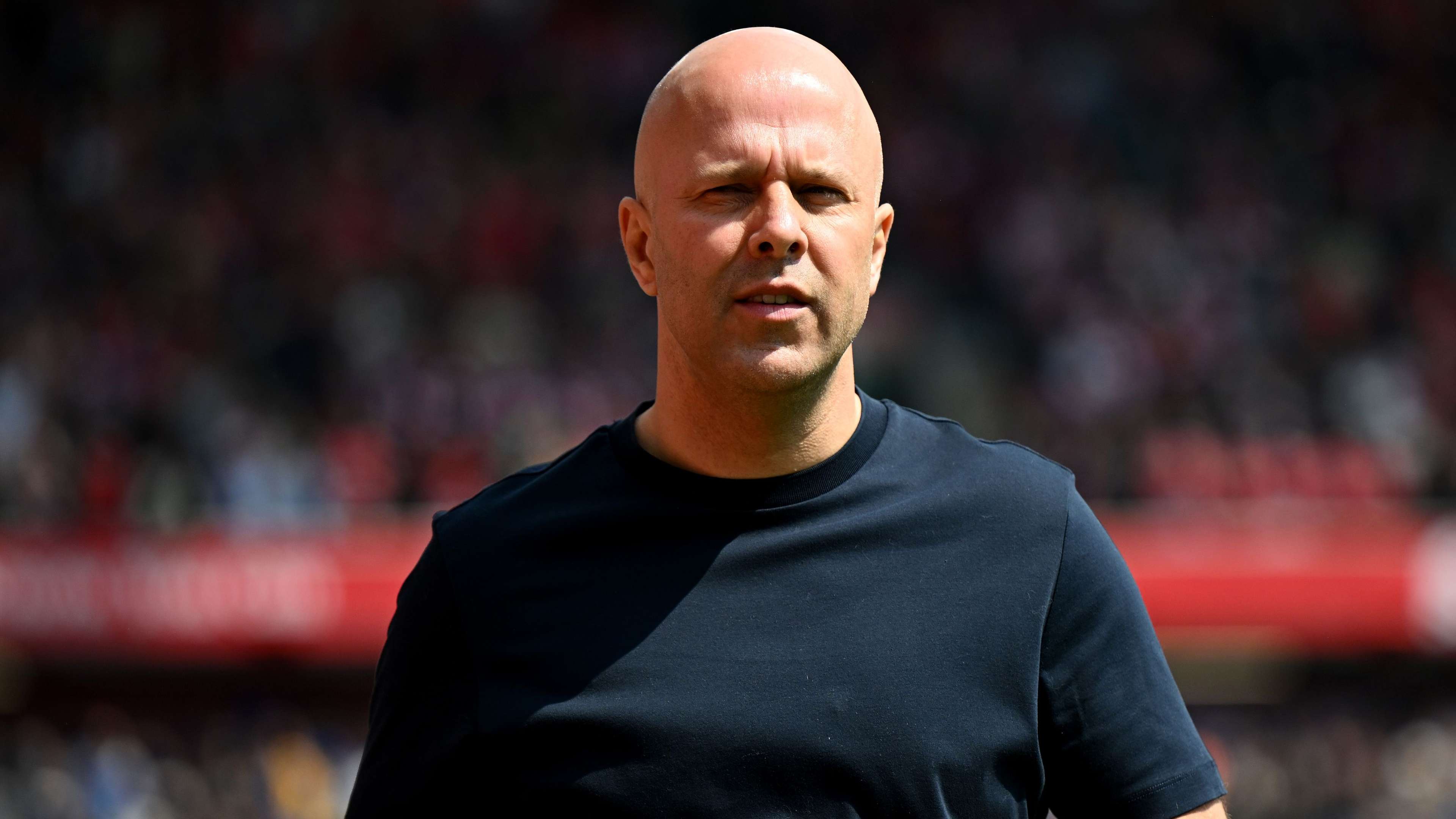

Enzo Maresca Defends Manchester City’s Legacy Amid Premier League Verdict
Manchester City head coach Enzo Maresca has forcefully defended the club’s history after news of a Premier League guilty verdict intensified scrutiny of its finances and achievements. With the possibility of serious sanctions—including expulsion from the competition—being discussed, Maresca says the trophies won during his time at City should not be dismissed because of off-field controversy.
The dispute has brought a familiar question back into football’s spotlight: how should supporters, rivals and the wider game assess success when a club’s sporting record is entangled with regulatory proceedings? Maresca’s position is clear. He believes City’s accomplishments were earned on the pitch and should be recognised as such, even as the club faces a difficult period away from it.
What the Premier League Case Means for Manchester City
The Premier League’s case concerns alleged breaches of its financial and reporting rules. The prospect of a guilty finding has prompted debate about potential consequences, which could range from financial penalties and points deductions to other sporting measures, depending on the governing body’s decisions and the details of the proceedings.
It is important to distinguish between allegations, formal findings and any final punishment. The precise implications depend on the official process and the outcome of any appeals. Until the relevant procedures are complete, predictions about City’s future remain speculative. That uncertainty has not stopped the case from becoming one of the most closely watched stories in English football.
For City, the stakes extend beyond a single season. A severe sanction could affect league standings, qualification for European competitions, recruitment plans and the club’s long-term reputation. Any ruling could also have consequences for the Premier League itself, which must demonstrate that its regulations apply consistently, regardless of a club’s size or success.
Maresca’s Argument: Judge the Trophies on the Pitch
Maresca’s defence focuses on the players and coaches who delivered results in competition. In his view, a club’s honours are the product of performances, preparation and teamwork, and should not automatically be written off because of a separate dispute over governance or compliance.
That argument reflects a distinction often made in sport: the difference between what happens during a match and what happens in a boardroom. City’s titles were won through seasons of football, with players competing against other elite sides under the rules that governed each match. Yet critics argue that the integrity of a competition can also depend on whether every club has followed the same financial framework.
This tension explains why the case has generated such strong reactions. City supporters may see Maresca’s comments as a defence of the people who contributed to the team’s success. Rival fans may contend that any proven breach could change how those achievements are viewed. Both perspectives are likely to remain part of the conversation while the process continues.
Why the Debate Reaches Beyond One Club
The case has implications for more than Manchester City. Financial regulations are intended to support competitive balance, protect clubs from unsustainable spending and give teams a shared set of operating standards. If enforcement is viewed as weak or inconsistent, confidence in those rules may suffer. If penalties are considered disproportionate, clubs and supporters could question whether the system is fair.
That makes the eventual outcome significant for executives, players, sponsors and fans across the Premier League. Other clubs will be watching closely for clarity on how rules are interpreted and what consequences follow from any confirmed breach. The decision could influence how teams plan budgets, negotiate contracts and approach future investment.
There is also a broader reputational issue. Modern football clubs are global organisations, and their public identities are shaped by more than results. Supporters increasingly expect transparency around finances and governance, while sponsors and partners may consider how regulatory disputes affect a club’s standing. In that environment, protecting a sporting legacy can be as much about public trust as it is about trophies.
What It Could Mean for City’s Football Season
For the players and coaching staff, the immediate challenge is to keep attention on football. A high-profile investigation can create distractions, especially when every result is discussed alongside the possibility of future sanctions. Managers must maintain focus in training and competition while answering questions that may have little to do with tactics or team selection.
Supporters, meanwhile, will be looking for signs of how the uncertainty affects the squad. Could it influence recruitment? Might leading players reconsider their futures? Would a points deduction or other sporting penalty change the club’s objectives? These are natural questions, but any prediction should be treated cautiously until the process produces clearer answers.
In the short term, City’s performance will still be judged by what happens on the pitch: the quality of their football, their ability to handle pressure and their results against domestic and European opponents. However, the legal and regulatory story is likely to remain close behind, shaping the context in which every achievement is discussed.
A Legacy Still Being Contested
Maresca’s comments underline that Manchester City’s legacy is now being debated on two fronts. One is sporting: the trophies, memorable matches and players who helped build the club’s modern success. The other is institutional: whether the club complied with the regulations that govern the Premier League and what accountability should follow if it did not.
Those questions may not be resolved at the same pace. The football record is visible in match results and medal collections, while regulatory proceedings require evidence, formal decisions and potentially further review. As a result, City’s supporters and critics may continue to interpret the same achievements in sharply different ways.
For now, Maresca has made his position unmistakable: he believes the club’s silverware should not be erased by controversy. Whether that view becomes widely accepted will depend not only on future performances but also on the final findings and the credibility of the process. Until then, the story remains one of the defining debates in English football—a contest over rules, reputation and how sporting success should ultimately be remembered.