
Mundo Deportivo Challenges Mourinho’s Rest-Day Claim Ahead of El Clásico
The debate over preparation time has added another talking point to the latest football rivalry between Real Madrid and Barcelona. After José Mourinho argued that his team had 24 hours less rest than Barcelona before El Clásico, Catalan newspaper Mundo Deportivo responded with a wider look at the clubs’ recent schedules—and historical figures that complicate the claim.
Mourinho raised the issue after Real Madrid’s Champions League match against Leipzig. Madrid played at home on Wednesday, while Barcelona had taken on Paris Saint-Germain in France the previous Tuesday. The travel involved in Barcelona’s away fixture meant the Catalans faced a demanding return journey, but the difference in match dates appeared to give them an earlier start to their recovery period.
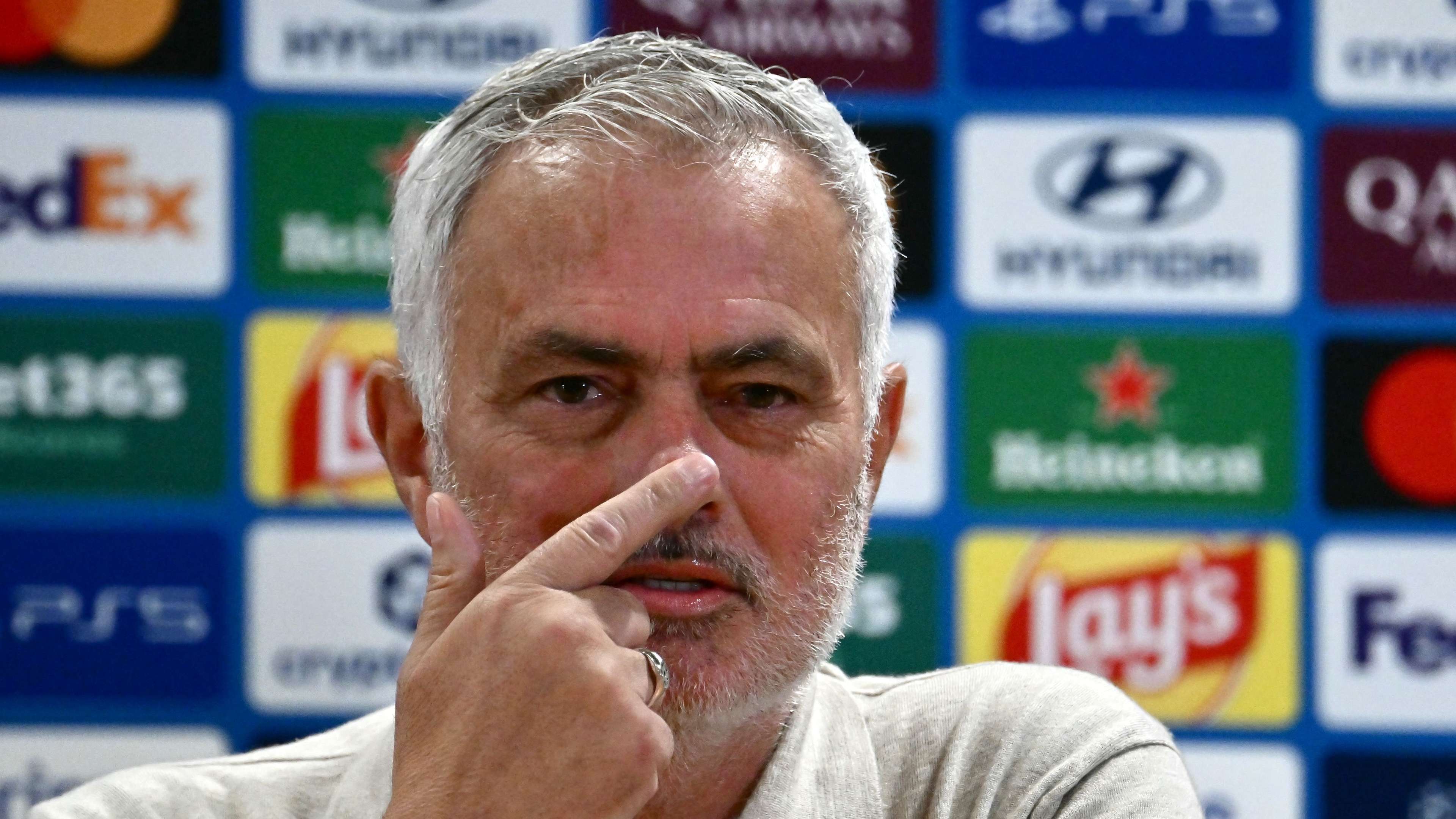
“At the moment, we have 24 hours less than Barcelona to rest ahead of the Clásico,” Mourinho said. His complaint focused on the immediate schedule. Mundo Deportivo, however, argued that the discussion should not be limited to one week. Its report examined previous occasions when both Spanish giants played in the Champions League before meeting in La Liga, suggesting Real Madrid have enjoyed more rest overall across the period studied.
Why the Sunday kick-off matters
The upcoming Clásico is scheduled for Sunday at 9 p.m., a late kick-off that gives both sides as much time as possible to recover after their European commitments. The timing does not erase the difference between playing on Tuesday and Wednesday, but it does provide a longer window before the domestic fixture than an earlier Sunday start would.
Kick-off times can shape the practical value of a rest day. A team’s recovery period is influenced not only by the date of its previous match, but also by the hour it finished, travel arrangements, training plans and the time the next game begins. Barcelona’s trip to Paris added travel demands, while Madrid’s home tie avoided an international journey. Those details make a simple comparison of calendar days an incomplete measure of which club had the easier preparation.
With both teams playing on Sunday night, the schedule offers a relatively generous interval after the Champions League round. The late start also gives coaches more flexibility to manage training, recovery sessions and tactical preparation. Even so, the contrast between the clubs’ European match days remains a legitimate subject for discussion, particularly when a high-stakes fixture is close.
The historical figures behind Barcelona’s response
According to Mundo Deportivo, this Clásico is the eighth October meeting since the 2018–19 season to follow a midweek Champions League match for both teams. Across the fixtures included in its comparison, the newspaper says Real Madrid accumulated 26 rest days between their European and La Liga games, while Barcelona had 23.
The three-day difference gives Barcelona a statistical counterargument to Mourinho’s complaint. It does not prove that one club has been deliberately favoured, nor does it settle the circumstances of the current match. Instead, it places the immediate scheduling dispute within a longer run of fixtures and suggests that the balance has not consistently tilted in Barcelona’s favour.
There is an important qualification: the comparison excludes the postponed Clásico from the 2019–20 season. The match had originally been set for a Saturday afternoon at Camp Nou but was delayed amid concerns about possible unrest during a period of political tension in Catalonia linked to the independence movement.
Before that postponement, Barcelona had played Slavia Prague away on Wednesday, while Real Madrid faced Galatasaray in Istanbul on Tuesday. Because the Clásico did not take place as planned, it cannot be treated like a standard example of the clubs’ normal recovery schedule. Its omission illustrates how political events, travel and calendar changes can complicate any attempt to create a clean statistical comparison.
Saturday fixtures and the pressure of a short turnaround
The newspaper also examined how often each side has had to play El Clásico on a Saturday after a Wednesday Champions League match. Its count says Barcelona have faced that particular turnaround twice, compared with once for Real Madrid.
That difference supports the broader argument that Barcelona have sometimes encountered a tighter schedule. A Saturday kick-off can reduce recovery time after a Wednesday European fixture, especially when the midweek match requires travel. Still, the number of occasions is limited, and each season brings different opponents, distances, match intensity and squad circumstances. Rest-day statistics are useful context, but they cannot capture every factor affecting performance.
For managers, the challenge is to turn available recovery time into effective preparation. Medical and fitness staff may prioritise sleep, hydration and light training, while coaches decide how much tactical work players can handle without adding unnecessary fatigue. Squad depth also matters: a side with reliable substitutes may be better equipped to rotate after a demanding European night.
Scheduling debate adds another layer to the Clásico
The argument over rest is part of the familiar build-up to one of football’s most closely watched fixtures. Mourinho’s comments highlight the immediate difference between the teams’ European schedules, while Mundo Deportivo uses past match data to challenge the idea that Barcelona have generally received more favourable preparation time.
For supporters looking ahead, the figures offer context rather than a definitive prediction of the result. Recovery can influence sharpness, pressing intensity and late-game stamina, but El Clásico outcomes are also shaped by tactics, individual quality, injuries and the pressure of the occasion. The late Sunday start should give both teams a substantial recovery window, even if their routes to the match have not been identical.
Ultimately, the scheduling dispute is unlikely to settle the question of fairness. It does, however, show why fixture timing remains a recurring issue in elite football. One week’s calendar may favour one side, while a longer historical view can tell a different story. When Real Madrid and Barcelona meet, even the hours between matches become part of the contest.