
Supanida Katethong rallies past Tanvi Sharma to win Syed Modi India International title
Thailand’s Supanida Katethong overturned an early deficit to defeat India’s Tanvi Sharma in the women’s singles final of the Syed Modi India International 2026 in Lucknow on Sunday. The second-seeded Indian took the opening game convincingly, but Katethong adjusted her approach, tightened her control and won the next two games 12-21, 21-12, 21-15 to claim the badminton title.
For 17-year-old Tanvi, the result ended hopes of securing a second BWF World Tour crown. It was also a frustrating finish to a final in which she had looked composed and confident early on. The Indian had beaten Katethong in both of their previous meetings, but the experienced Thai found a way to reverse that record when the match began to turn.
Tanvi makes a confident start in front of the Lucknow crowd
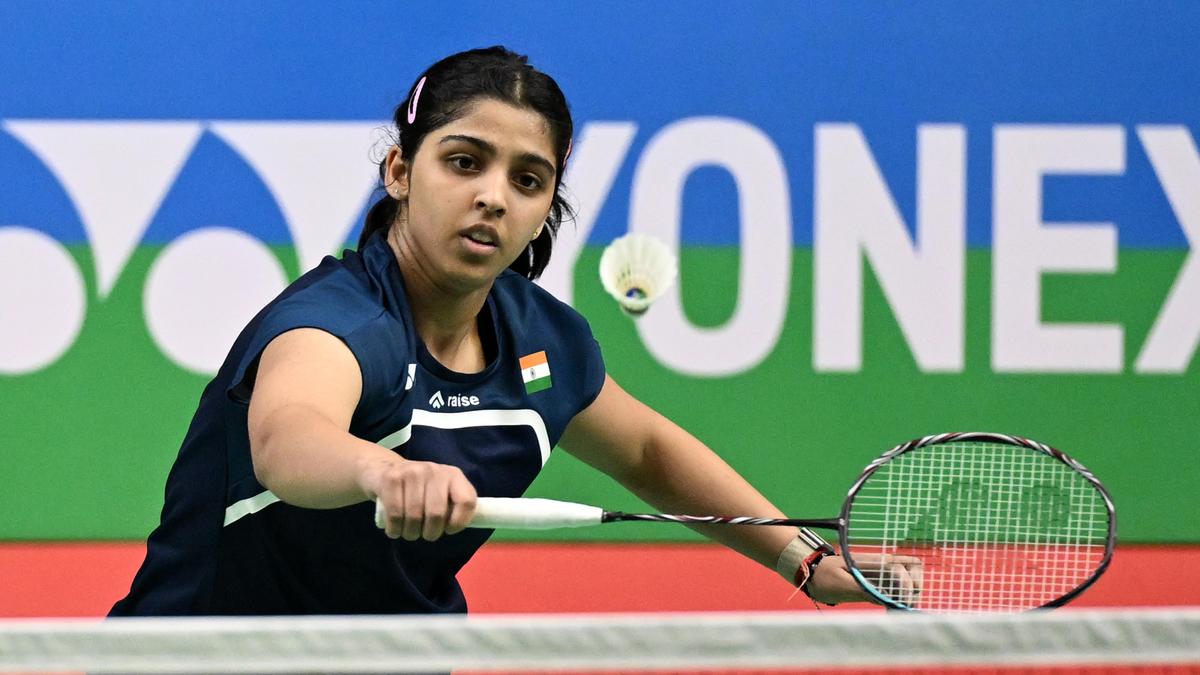
Tanvi entered the court with little visible sign of nerves, while cheers from the home crowd filled the arena. She began on the attack, using sharp smashes and purposeful placement to put Katethong under pressure. The Thai struggled to settle, committing a series of unforced errors as her shots drifted wide or caught the net.
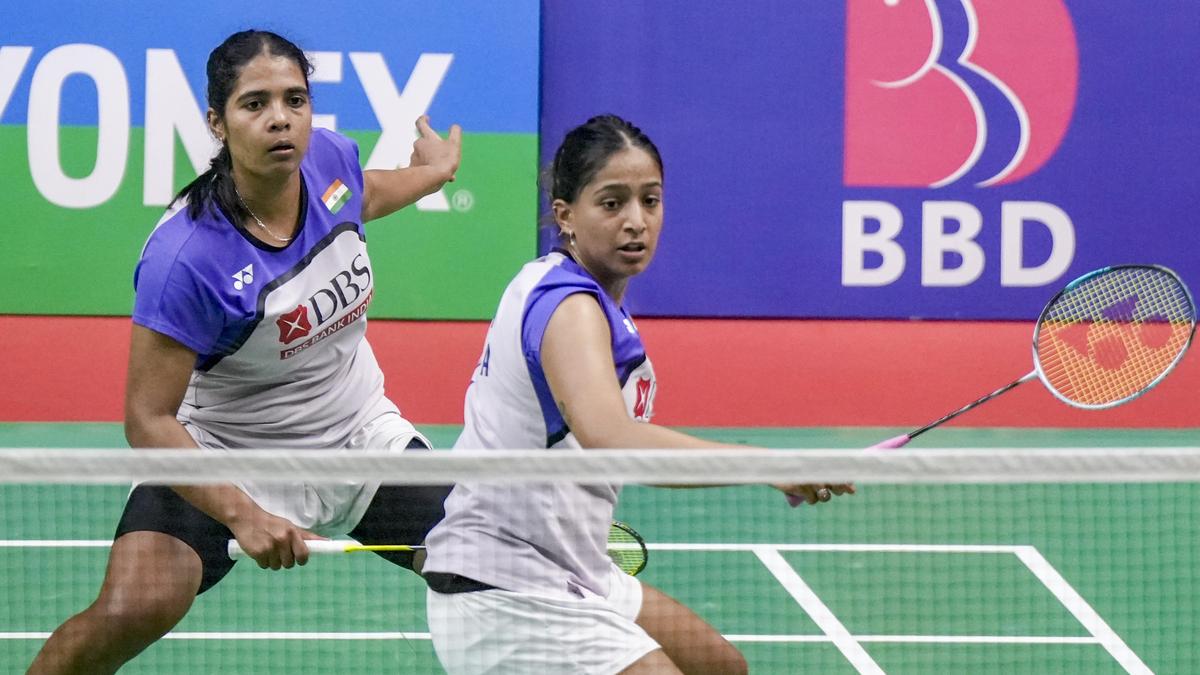
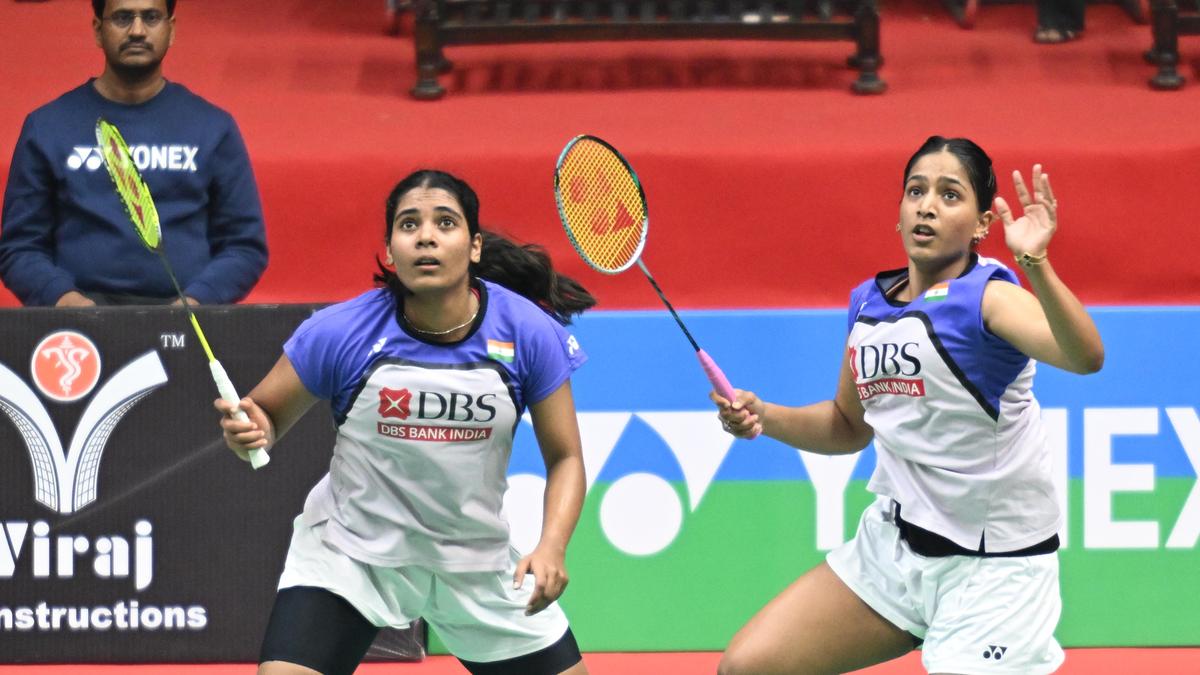
Even when Katethong tried to respond with more aggressive play, Tanvi maintained the initiative. She reached the mid-game interval of the first game with an 11-7 advantage, punctuating winning smashes with energetic celebrations. The support in the stands gave the teenager a lift, particularly after the crowd had been subdued by the earlier defeat of Indian women’s doubles pair Treesa Jolly and Gayatri Gopichand.
Tanvi also appeared calmer than she had in her three-game semifinal against compatriot Unnati Hooda. A successful challenge brought a smile, and she continued to play with assurance after the break. Her attacking shots forced Katethong into difficult positions, while her lead remained comfortable. Tanvi closed out the first game 21-11, giving the home supporters reason to believe that another title was within reach.
Katethong changes the rhythm of the final
The match shifted at the start of the second game. Two of Tanvi’s smashes sailed wide, an early sign that the accuracy behind her first-game attack was beginning to fade. Katethong, meanwhile, moved more effectively around the court and began to extend rallies, making the Indian work harder for every point.
Tanvi tried to draw errors by keeping the shuttle in play, a tactic that had helped her in the opening game. But the balance changed: her own mistakes began to outweigh the pressure she was putting on the Thai. Her celebrations became quieter, and she looked increasingly tense as Katethong edged ahead.
The Thai’s improved court coverage proved important. She was able to retrieve more of Tanvi’s attacking shots and turn defence into counterattack, forcing the Indian to attempt increasingly difficult winners. At 11-10, Katethong moved in front. From there, Tanvi’s shots repeatedly went long or into the net, while the Thai stayed composed and continued to build her advantage.
The crowd responded with chants of “C’mon India” as Tanvi tried to halt the slide, but Katethong had taken control of the rallies. She won the second game 21-12, levelling the final and setting up a deciding game.
Errors prove costly in the deciding game
Tanvi opened the decider with two more smashes that missed the court, repeating the pattern that had hurt her at the beginning of the second game. Supporters tried to lift her spirits with chants of “Ayega, ayega”—a call of encouragement suggesting that her moment would come. The Indian continued to show attacking intent, but the errors made it difficult to turn pressure into a sustained lead.
There were still signs of quality in Tanvi’s game. Her drop shots and shuttle placement remained challenging for Katethong, and she reached the interval with an 11-9 lead. That advantage, however, offered little security. Katethong kept moving well, extending exchanges and waiting for opportunities to attack as the match entered its most demanding phase.
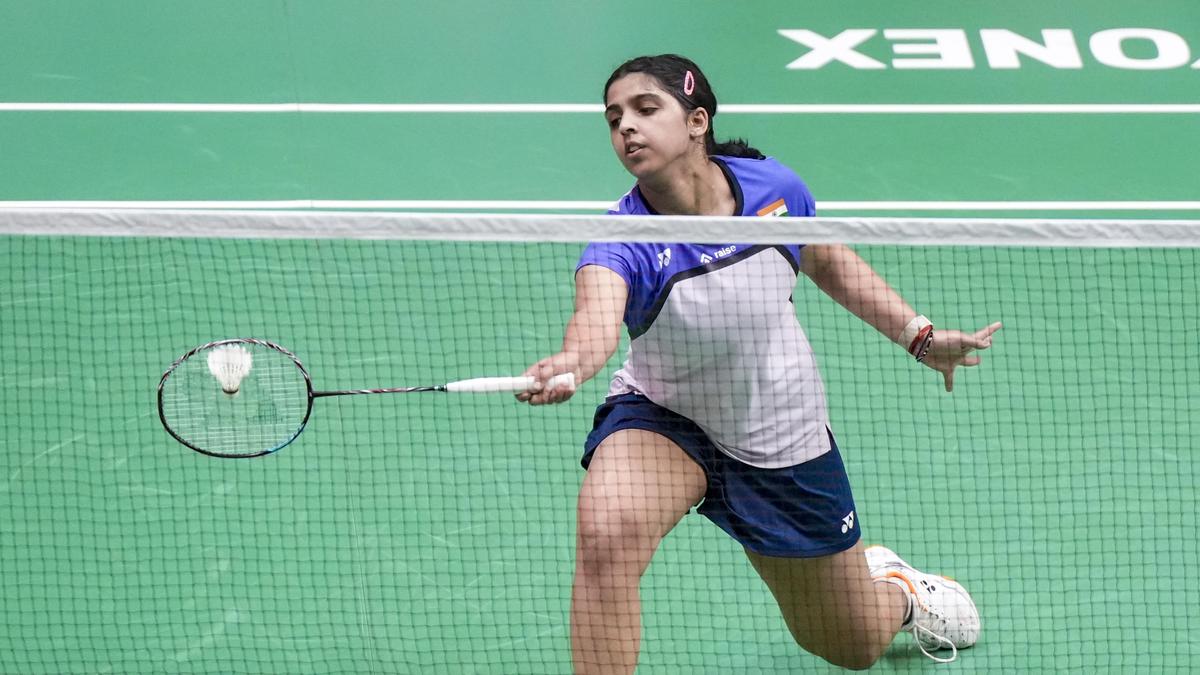
Tanvi’s unforced errors again became decisive. As Katethong moved ahead to 18-14, the Indian had to make increasingly desperate efforts to reach the Thai’s shots, falling more than once while trying to keep rallies alive. The crowd continued to urge her on, but the gap had become difficult to close.
Katethong reached match point, leaving Tanvi needing a major run of points to stay in the contest. Some spectators began to leave before the Thai served. Tanvi could not return that final serve, and Katethong completed her comeback with a 21-15 win in the deciding game.
A valuable learning experience for the young Indian
The final offered a clear contrast in momentum. Tanvi’s fast start showed the potential that has taken her deep into the tournament, while Katethong’s response demonstrated the value of patience, movement and tactical adjustment in top-level badminton. Once Tanvi’s first-game accuracy dipped, the Thai made the rallies longer and forced her opponent to create points under greater pressure.
For Tanvi, the defeat will be disappointing, especially after beginning the final so strongly and arriving with a winning record against Katethong. Yet the performance also provided valuable experience for a young player competing in a high-pressure final before a home crowd. Managing unforced errors, maintaining composure after a change in momentum and adapting when an opponent improves defensively will be key lessons to carry into future tournaments.
Katethong, meanwhile, leaves Lucknow with the women’s singles trophy after a composed three-game recovery. Her victory underlined how quickly a badminton final can change: a dominant opening game is never a guarantee, and the ability to stay patient can be as important as power. For the Indian audience, Tanvi’s run and fighting effort offered plenty to appreciate, even as the title went to Thailand.