
Spanish Sports Council Chief Calls on LaLiga President Javier Tebas to Apologise to Real Madrid
Spain’s football debate has intensified after Higher Sports Council president José Manuel Rodríguez Uribes urged LaLiga chief Javier Tebas to withdraw remarks comparing Real Madrid’s media approach with propaganda methods associated with Nazi Germany. Uribes described the analogy as unacceptable and said Tebas should apologise to the club.
The comments, reported by Spanish newspaper AS, were made to the Spanish news agency during an event in Manises, near Valencia, on Saturday. Uribes argued that while strong criticism is a familiar part of football, references to Joseph Goebbels—the propaganda minister under Adolf Hitler—cross a line, particularly when they come from the head of Spain’s top professional league.
Uribes says Tebas’s position brings added responsibility
Uribes stressed that freedom of expression is a fundamental feature of Spanish democracy and allows broad discussion of clubs, officials and sporting institutions. However, he said that freedom does not make every comparison appropriate. In his view, invoking Nazism in a dispute involving a football club goes beyond legitimate criticism.
He also pointed to Tebas’s prominent role in Spanish football. As LaLiga president, Tebas is not simply a private commentator, Uribes said; his words carry the influence of one of the sport’s most senior administrators. That position, he argued, makes careful and responsible language especially important.
“Criticism is part of football,” Uribes said in substance, while maintaining that Tebas’s comparison was an excessive and serious overstatement. He called on the league president to retract it and apologise to Real Madrid.
Real Madrid’s international profile adds to the controversy
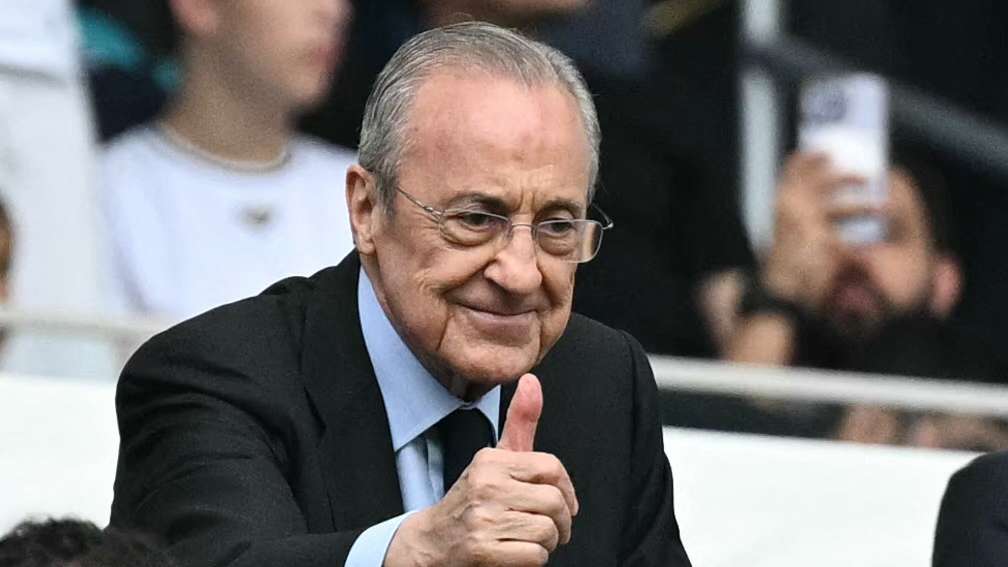
Uribes also highlighted Real Madrid’s standing beyond Spain. Under president Florentino Pérez, the club has become one of the country’s most recognisable sporting institutions worldwide, with a global following built through domestic and European success. For Uribes, associating such a club with one of Europe’s darkest historical periods was especially troubling.
The dispute reflects a broader tension in modern football: clubs increasingly use their own media channels to communicate directly with supporters, while league officials and rival institutions scrutinise how those platforms frame contentious events. Club-produced content can offer fans analysis and access, but it can also be criticised for presenting disputes from a partisan perspective. The disagreement is therefore not only about a single phrase; it also concerns the boundaries between club advocacy, media criticism and responsible public debate.
Higher Sports Council examines possible disciplinary implications
The Higher Sports Council’s legal department is reviewing the matter. Uribes confirmed that he had instructed the relevant bodies to assess whether Tebas’s comments could have disciplinary consequences. That review does not, by itself, establish that a sanction will follow. Any decision would depend on the applicable rules, the context of the remarks and the conclusions reached by the officials examining the case.
The prospect of a formal review raises the stakes for a disagreement that began as a public exchange. Spanish football’s governing and regulatory bodies must balance the right of senior figures to express opinions with expectations of professional conduct. The outcome could also influence how administrators communicate when disputes involve powerful clubs and highly charged historical references.
Tebas defends his criticism of Real Madrid’s channel
Tebas has defended the substance of his comments. He accused Real Madrid’s television channel of producing material that repeatedly portrays the club as a victim, selecting arguments that reinforce a sense of unfair treatment while leaving out relevant context. His criticism was directed at what he sees as the channel’s editorial approach, rather than at the club’s sporting record.
That distinction has not eased the backlash. Uribes’s objection is that the language used to make the point was disproportionate, regardless of whether Tebas’s underlying criticism of the channel is justified. The controversy illustrates how quickly football arguments can move from discussion of refereeing, media coverage or club conduct into questions of history, ethics and institutional responsibility.
What the dispute could mean for Spanish football
For supporters, the immediate issue is whether Tebas will reconsider his wording and whether the legal review will lead to further action. For clubs and league officials, the episode is a reminder that public statements can have consequences well beyond the original argument—especially when they invoke historical atrocities.
There is no football prediction that can settle this dispute, and its next development will depend on the Council’s review and the response from LaLiga and Real Madrid. Whatever the outcome, the episode is likely to renew discussion about how football leaders should criticise club media without resorting to comparisons that many consider offensive or historically reckless.
Uribes’s position is clear: criticism is legitimate, but it must remain proportionate. By calling for a retraction and apology, he has turned a clash over Real Madrid’s media coverage into a wider test of judgment, accountability and the standards expected of those who lead Spanish football.