
Peter Bosz Loses His Cool as PSV Suffer Late Defeat to ADO Den Haag
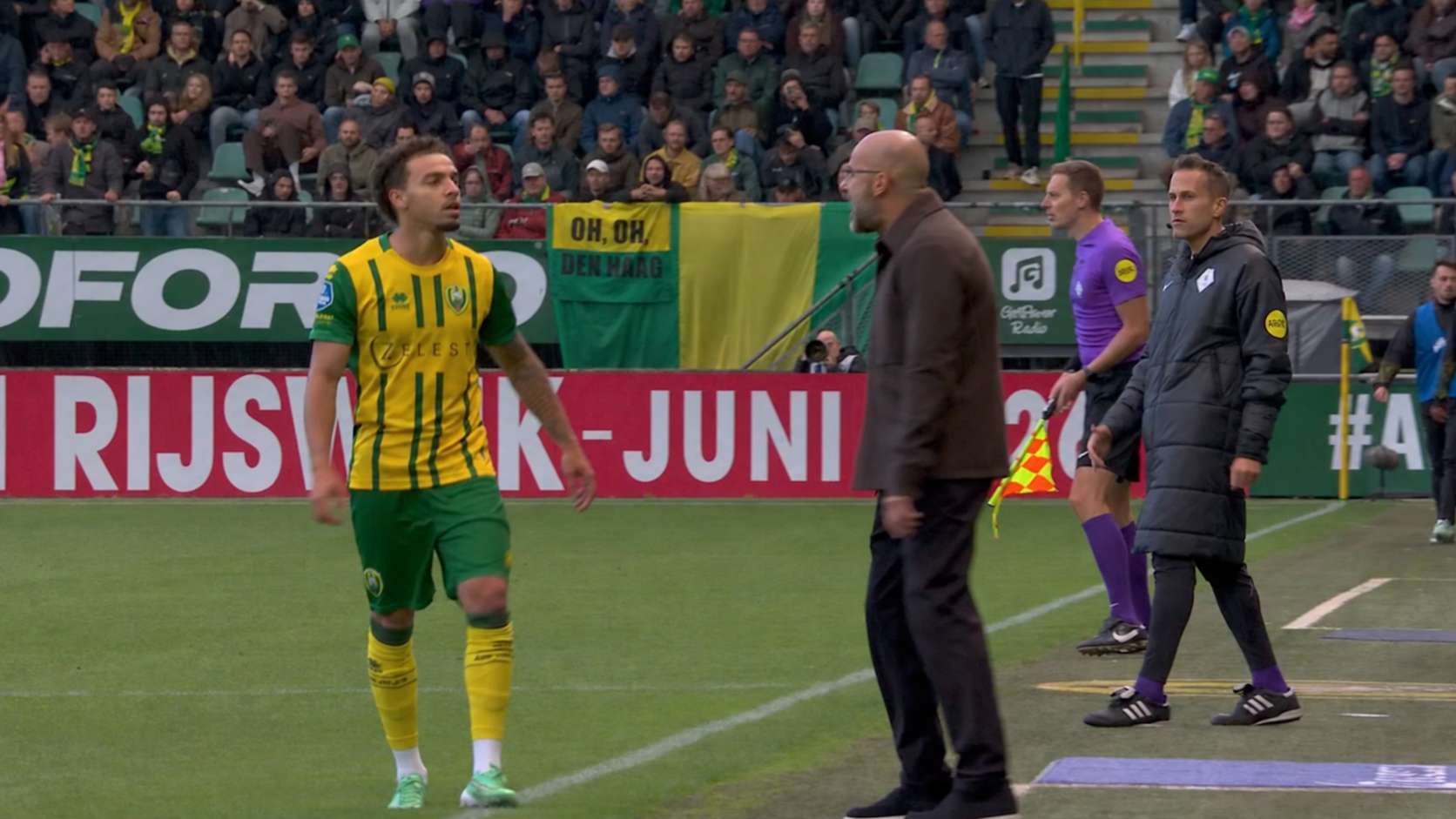
PSV Eindhoven’s difficult afternoon in Den Haag ended in a dramatic 2-1 defeat, but the result was not the only talking point. Head coach Peter Bosz became involved in a heated touchline exchange with ADO Den Haag winger Jalen Hawkins after a disputed moment early in the second half, adding to the tension of a match that had already turned sharply against the visitors.
PSV had taken the lead and appeared to be in control before a red card left them with ten men. ADO capitalised after the break, equalising through a deflected long-range effort before substitute Matej Sin struck deep into stoppage time to complete the comeback. For supporters following the Eredivisie, the match offered a reminder of how quickly a football contest can change when discipline, injuries and key decisions become factors.
Touchline Tension After a Disputed Restart
The confrontation between Bosz and Hawkins took place in the 51st minute, shortly after the interval. PSV goalkeeper Matej Kovár had deliberately sent the ball out of play so that ADO’s Kodai Sano could receive attention for an apparent injury. However, Sano did not receive treatment, and ADO chose to retain possession when play resumed.
PSV objected to the home side’s decision, and Bosz approached Hawkins, who was close to the touchline. The exchange quickly became heated, with the PSV manager visibly frustrated as he challenged the ADO player. The incident reflected the growing pressure on the visitors, who were already trying to protect a narrow lead while playing with ten men.
Such moments can become flashpoints in football, particularly when a team feels that an unwritten expectation of fair play has not been followed. While the ball had been put out voluntarily, there was no formal requirement for ADO to return possession. The disagreement therefore centred on sporting etiquette rather than a breach of the laws of the game.
Mijnans Gives PSV the Lead
PSV had made a promising start and opened the scoring in the 21st minute through Sven Mijnans. The forward finished a well-constructed move, benefiting from Guus Til’s excellent cross. The chance was created after Mauro Júnior played Til through, allowing the midfielder to deliver a dangerous ball into the area.
The goal rewarded PSV’s attacking intent and suggested that Bosz’s side could manage the away fixture on their terms. ADO, however, remained competitive and continued to look for ways to test the visitors’ defence. The contest became increasingly difficult for PSV just before half-time, when injuries and disciplinary trouble disrupted their plans.
Injury and Red Card Change the Match
Til was forced off injured before the break, depriving PSV of a player who had been central to the opening goal. The more damaging setback followed in the 43rd minute, when Mijnans received his second yellow card for a very late sliding challenge inside ADO’s penalty area. The dismissal left PSV facing the entire second half with ten players.
The timing was especially costly. PSV had to reorganise at the interval, balancing the need to protect their lead with the risk of allowing ADO too much space. A team reduced to ten players often has to work harder without the ball, and the loss of an attacking option can also make it more difficult to relieve pressure through counterattacks.
For ADO, the red card offered a clear opportunity. The hosts could move higher up the pitch, circulate possession and test PSV’s defensive shape. The visitors’ challenge was no longer simply to build on their lead; it was to maintain concentration and manage the game under sustained pressure.
ADO Level Through a Deflected Strike
ADO made their numerical advantage count ten minutes after the restart. In the 55th minute, Juho Kilo tried his luck from around 20 metres. His shot took a deflection off Mauro Júnior’s heel, changing direction and leaving Kovár with little chance of making the save. The ball found the net to make it 1-1.
The equaliser shifted the momentum decisively. ADO had the crowd behind them and could sense that a winner was possible, while PSV were forced to defend for long stretches. The deflection also illustrated the fine margins that often shape a match: Kilo’s effort was already a threat from distance, but the change of direction made it far harder for the goalkeeper to react.
PSV continued to resist as the clock ran down, but defending with ten players demands both physical effort and precise organisation. ADO kept pushing, and the home side’s persistence was ultimately rewarded in the closing moments.
Matej Sin Delivers a Stoppage-Time Winner
Deep into stoppage time, substitute Matej Sin headed home to give ADO a 2-1 victory. The late goal completed a remarkable turnaround and left PSV with no time to respond. ADO’s comeback was built on patience after the break, pressure against a reduced defence and a decisive finish when the opportunity arrived.
For the home side, the win will be remembered as a result earned through resilience and belief. Falling behind against PSV could have made the task difficult, but the red card changed the tactical picture. ADO took advantage, found an equaliser and continued to attack until Sin settled the contest.
What the Result Means for PSV
The defeat will raise questions for PSV about game management, discipline and how they respond when a match becomes unsettled. Mijnans’ dismissal proved pivotal, while Til’s injury removed an important contributor before half-time. Bosz’s touchline clash with Hawkins became a visible sign of the frustration surrounding a match that had slipped away from his team.
For fans considering a football prediction for PSV’s next fixtures, this result offers context rather than a simple forecast. The team showed it could create quality chances, as demonstrated by Mijnans’ opener, but playing with ten men exposed the difficulty of maintaining control against a motivated opponent. PSV will need to assess the fitness of injured players and avoid further disciplinary setbacks as they prepare for their upcoming schedule.
PSV are due to face AAE in the Champions League on 21 October 2026, before returning to Eredivisie action against HEE on 25 October. Those matches will provide an early opportunity to respond, though the final outlook will depend on team availability, tactical adjustments and how effectively Bosz’s side restores its composure. ADO, meanwhile, can take confidence from a dramatic home win that underlined the value of staying in the contest until the final whistle.