
P. V. Sindhu Reaches French Open 2026 Quarterfinals With Straight-Games Win
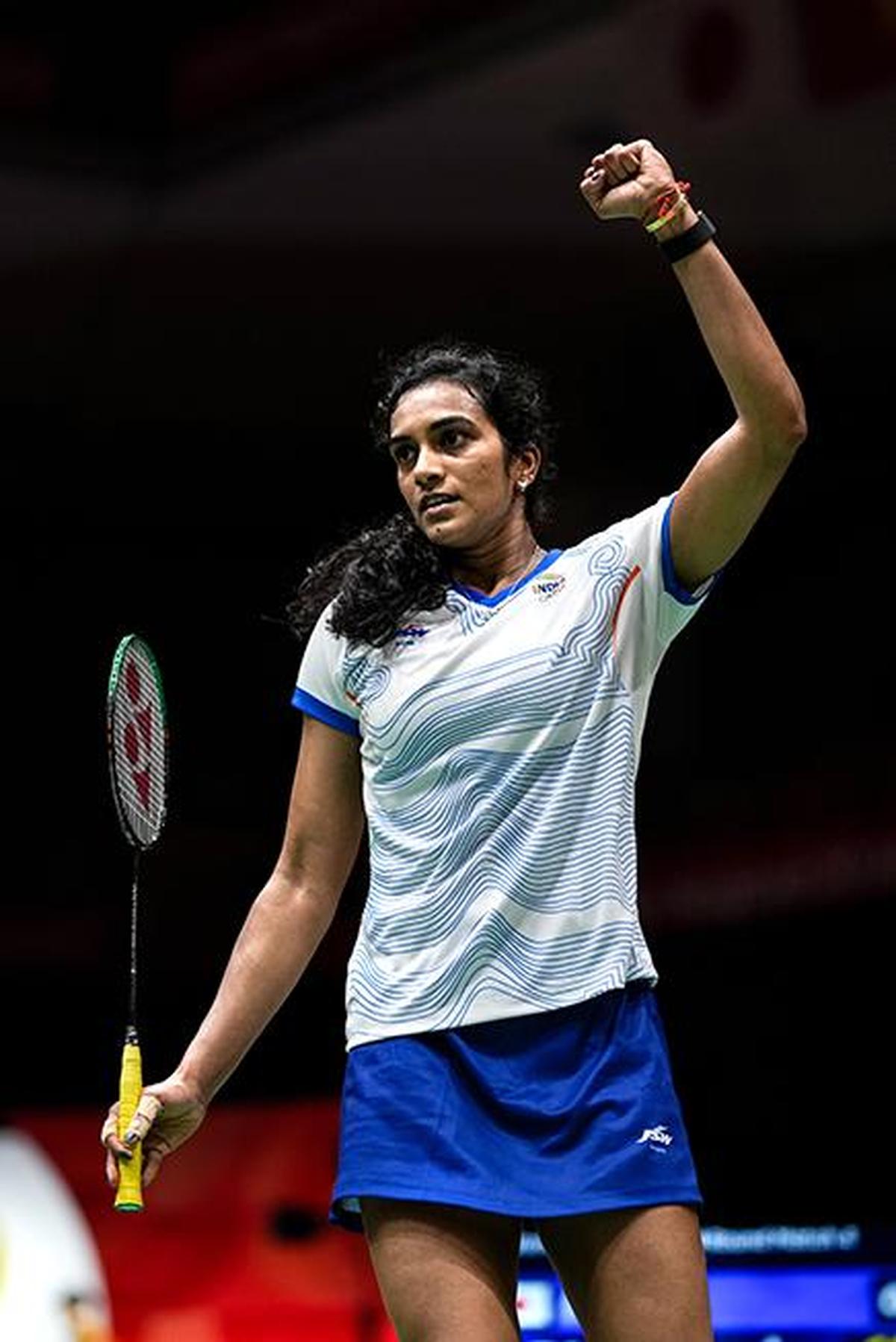
Indian badminton star P. V. Sindhu booked her place in the women’s singles quarterfinals at the French Open 2026, defeating Japan’s Riko Gunji 21-12, 21-16 in Paris on Thursday. The match, played at the Arena Grand, lasted 44 minutes and showcased Sindhu’s attacking range, court coverage and ability to control rallies when she stayed patient under pressure.
The two-time Olympic medallist will next face the winner of the Round of 16 contest between Chinese Taipei’s Chiu Pin-Chian and South Korea’s Sim Yu-jin. With a quarterfinal berth secured, Sindhu remains in contention at one of badminton’s prominent international tournaments, where every round brings a tougher test of consistency and tactical discipline.
Sindhu Uses Reach and Attack to Set the Tone
Sindhu began with a clear plan: take the shuttle early, use her height and reach to cover the court, and look for opportunities to attack from the mid-court. She moved confidently towards the net, played tumbling shots to make Gunji lift the shuttle, and then looked to finish points with steep smashes.
That approach helped the Indian establish an early 7-5 advantage in the opening game. Rather than rushing to hit winners, Sindhu often built the rally with measured clears and controlled net play. When Gunji left a shuttle short, Sindhu was ready to exploit the opening with a sharp, angled attack—particularly with cross-court smashes that pulled her opponent away from the centre.
The early lead, however, did not develop into an uninterrupted run. Gunji found ways to extend the exchanges and brought the score level at 11-11 at the interval. The Japanese player’s ability to keep the shuttle in play briefly disrupted Sindhu’s rhythm, turning the contest into a test of patience as well as power.
Composure Under Pressure Remains a Talking Point
Sindhu’s performance again highlighted a familiar question in her game: how effectively can she maintain control when an opponent pushes back? At times, her initial command of the rally appeared to soften as Gunji began to challenge her with quick returns and determined defence. The scoreline was comfortable in the end, but the mid-game contest showed why Sindhu must remain alert even after building an advantage.
Her response was to tighten her defensive shape. With bent knees and her racket held close to her body, Sindhu adopted a compact stance to handle Gunji’s pushes and drives. She also kept her racket high in the mid-court, allowing her to intercept several attacking shots before they could put her under sustained pressure.
That adjustment helped Sindhu regain control. She used her reach to cut off Gunji’s clears and made the Japanese shuttler cover more of the court. Rather than trying to end every rally with a single powerful stroke, Sindhu varied her placement, combining steep cross-court smashes with delicate net shots. The mix forced Gunji to defend in different areas and limited her ability to settle into a predictable rhythm.
Sindhu closed the first game 21-12, turning a closely contested stretch around the interval into a decisive finish. The score reflected her ability to convert openings once she had re-established her attacking pattern.
Patient Second Game Seals the Match
The second game demanded a different kind of discipline. With the opening game behind her, Sindhu could have become passive and relied on Gunji to make mistakes. Instead, she remained proactive while choosing her moments carefully. She controlled the pace between rallies, varied the length of her shots and continued to make Gunji work hard from the back of the court.
That balance between patience and aggression proved important. Sindhu kept the shuttle moving, resisted the temptation to force low-percentage winners, and waited for the right mid-court opportunity to attack. When she did accelerate, her reach and steep hitting angles made it difficult for Gunji to reset the rally.
Gunji continued to compete, but Sindhu’s control of the tempo prevented the Japanese player from building sustained pressure. The Indian maintained her advantage and completed the straight-games victory, 21-16, without allowing the match to stretch into a deciding game.
What the Win Means for Sindhu’s French Open Campaign
The result offers Sindhu a positive step forward in her French Open 2026 campaign. A straight-games win saves energy at a demanding stage of the tournament, while the match also provided useful competitive practice against an opponent willing to defend and extend rallies. For a player with Sindhu’s attacking strengths, the ability to combine decisive shot-making with calm rally construction can be crucial as the field narrows.
Her next opponent will be determined by the match between Chiu Pin-Chian and Sim Yu-jin. Either potential matchup will require fresh preparation, as each player brings a different style and tactical challenge. Sindhu will need to maintain the court coverage and attacking intent she showed in Paris while staying composed if her next contest becomes more closely balanced.
For badminton fans, the match was a reminder that Sindhu’s game is built on more than power. Her reach can turn defence into attack, her net play can create openings, and her ability to vary pace can unsettle opponents. The next round will test whether she can sustain those strengths against a higher-pressure challenge—and whether she can keep her composure when the momentum shifts.